





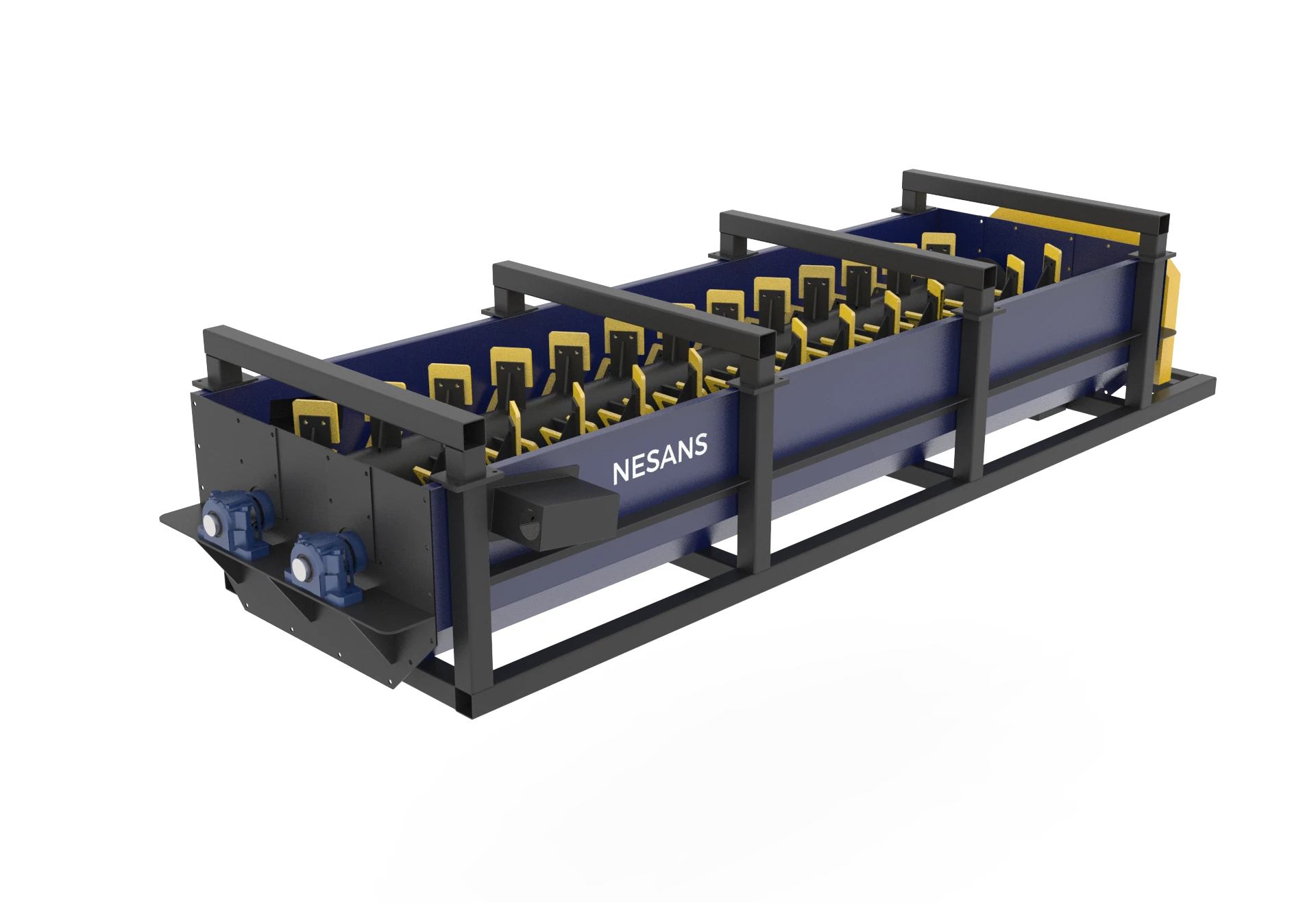
Log Washer - LW Series Twin Shaft Scrubber
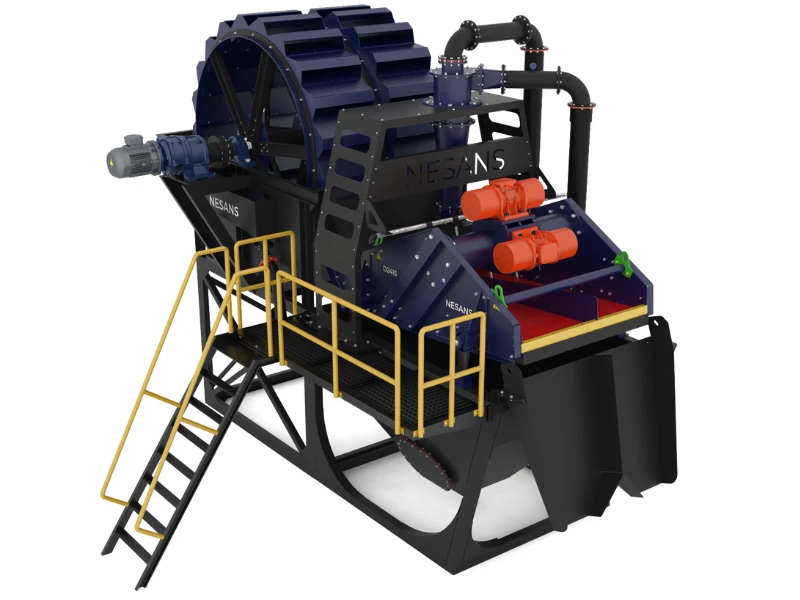
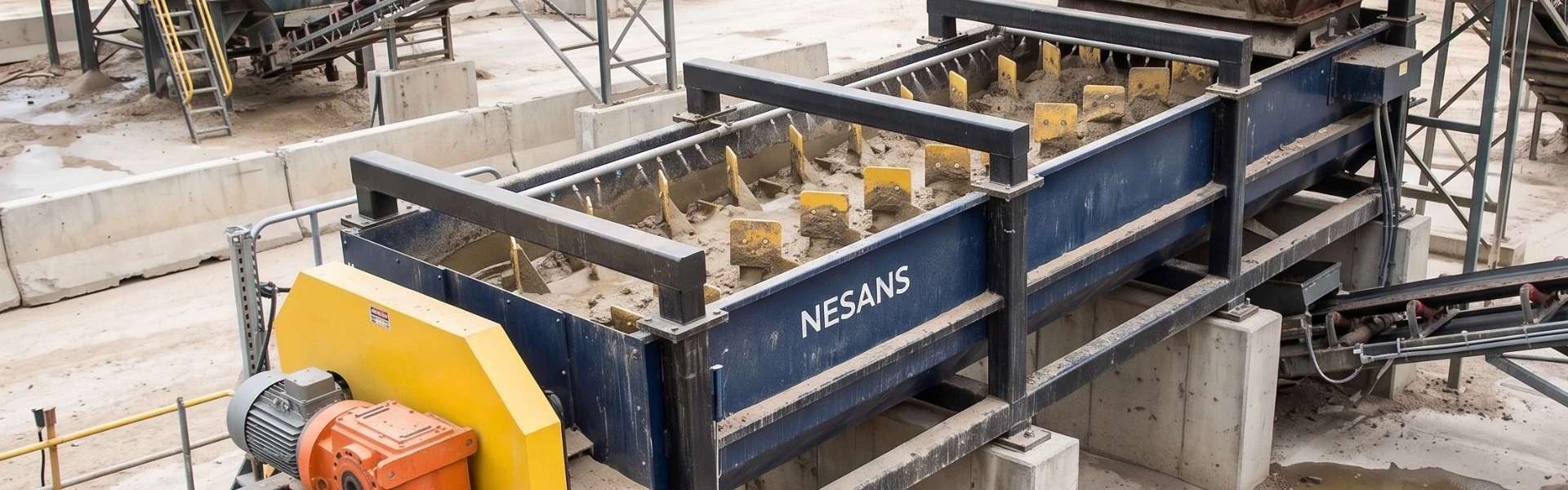
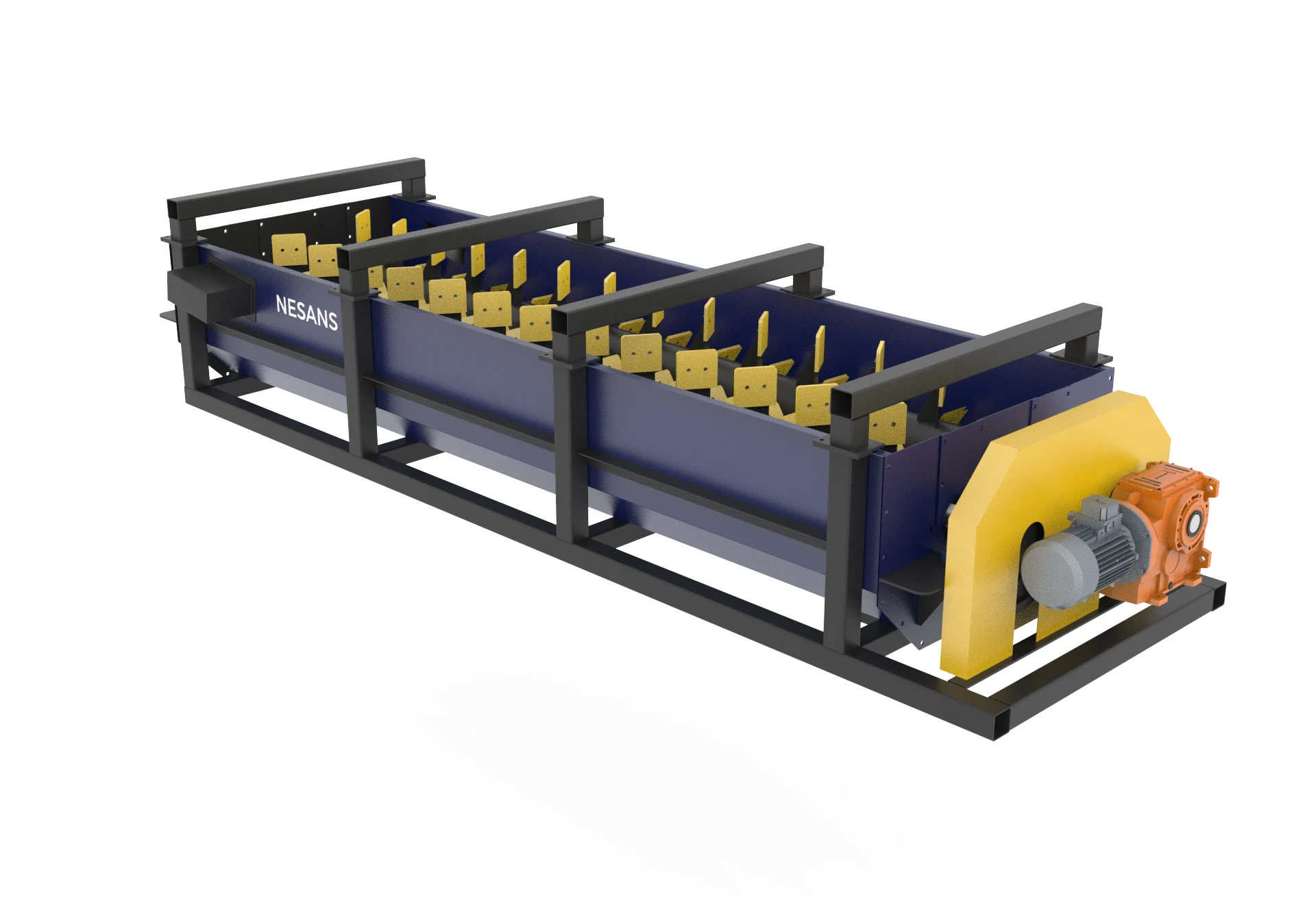
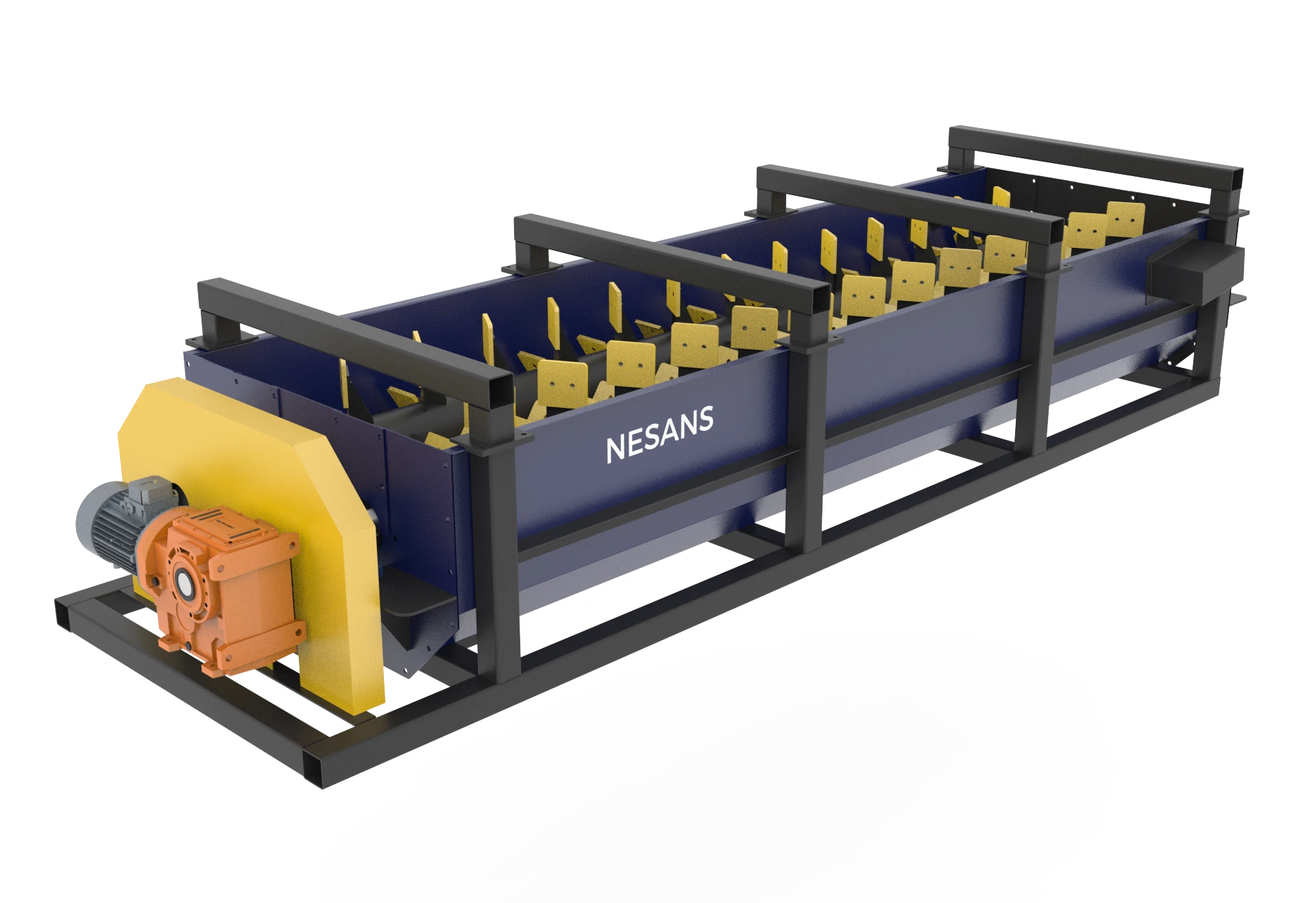
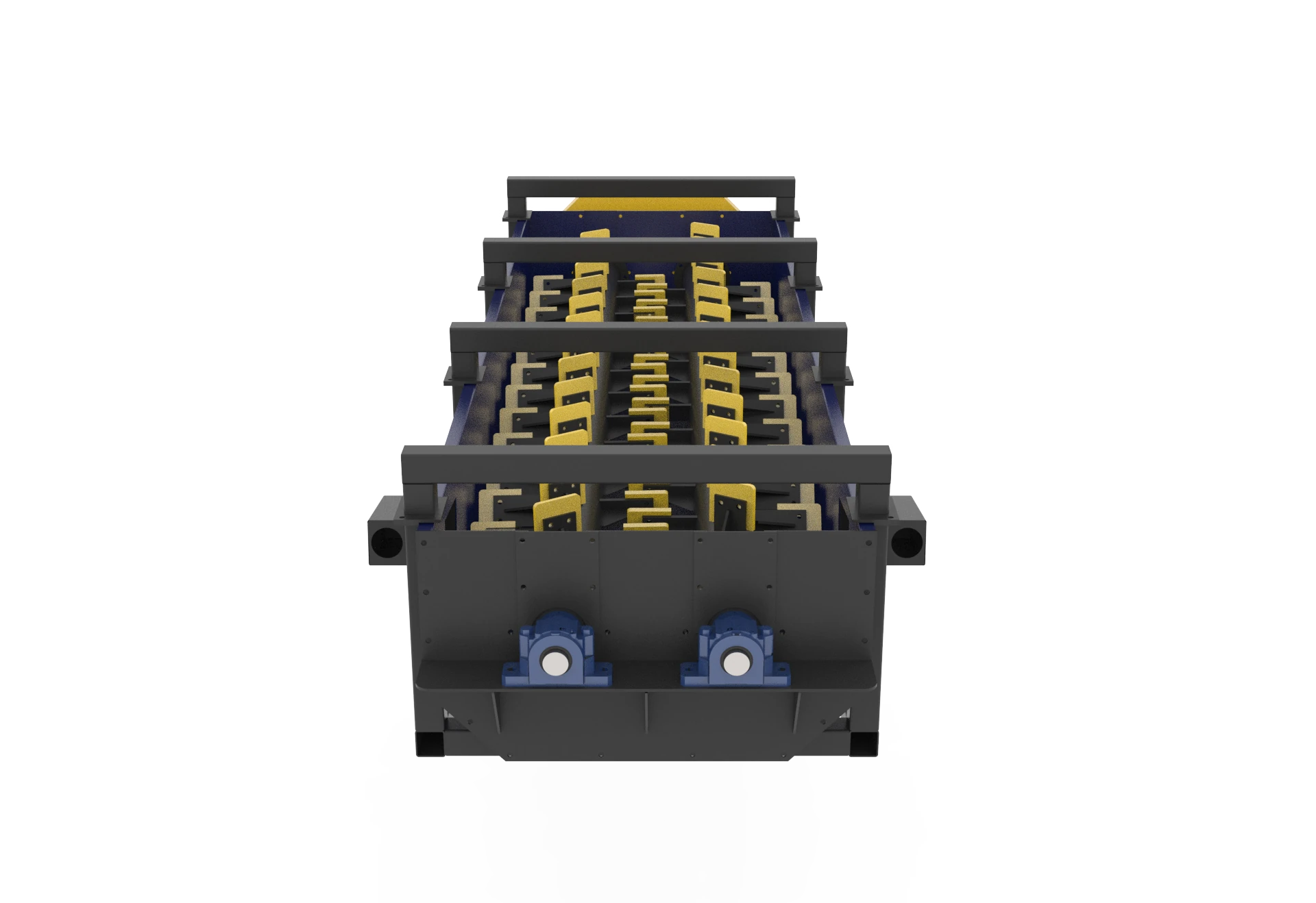
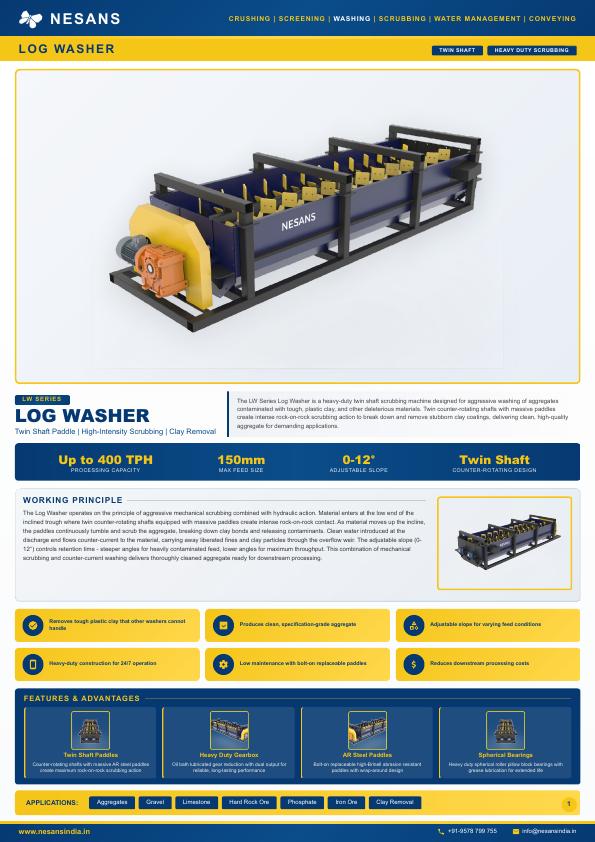
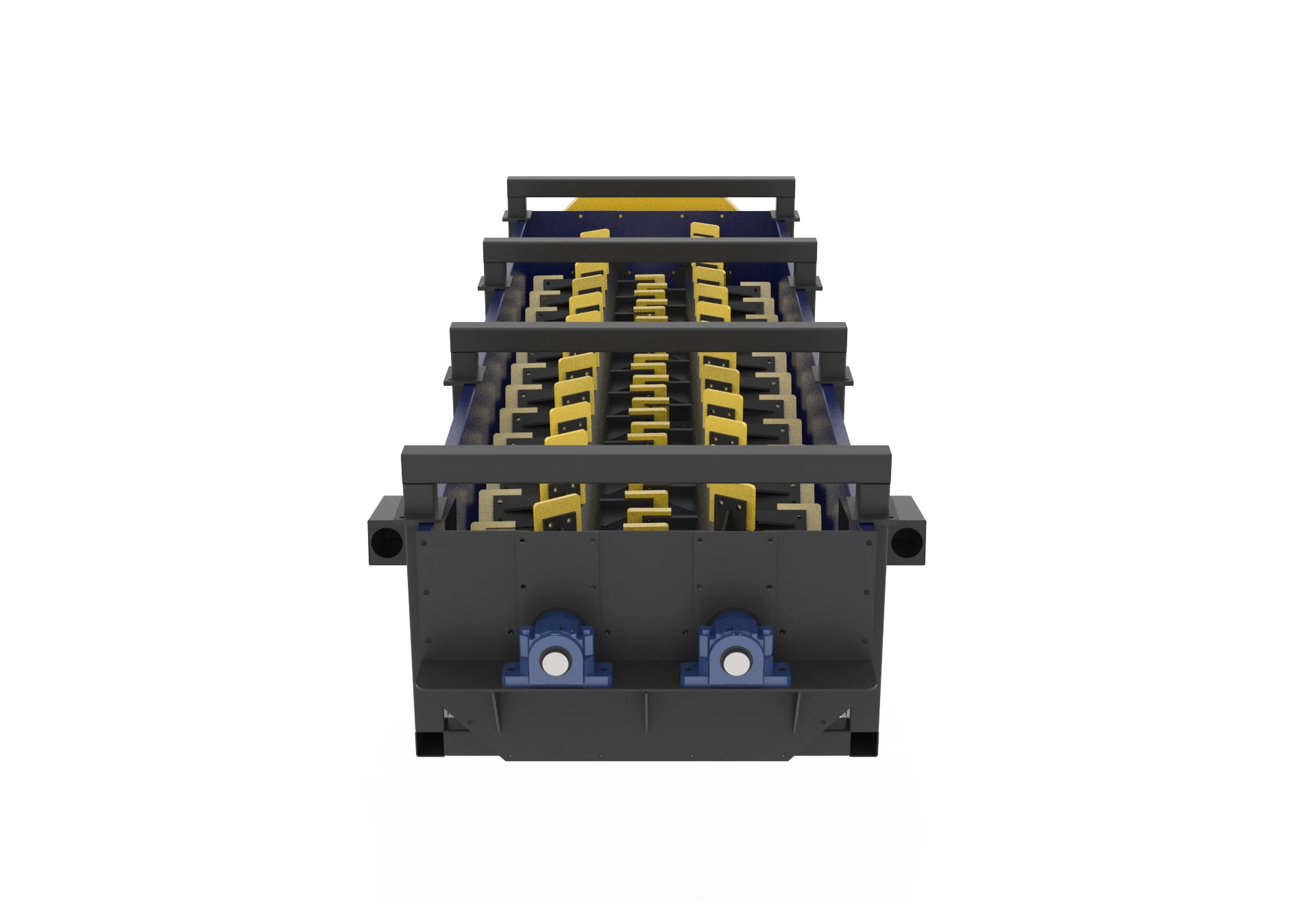
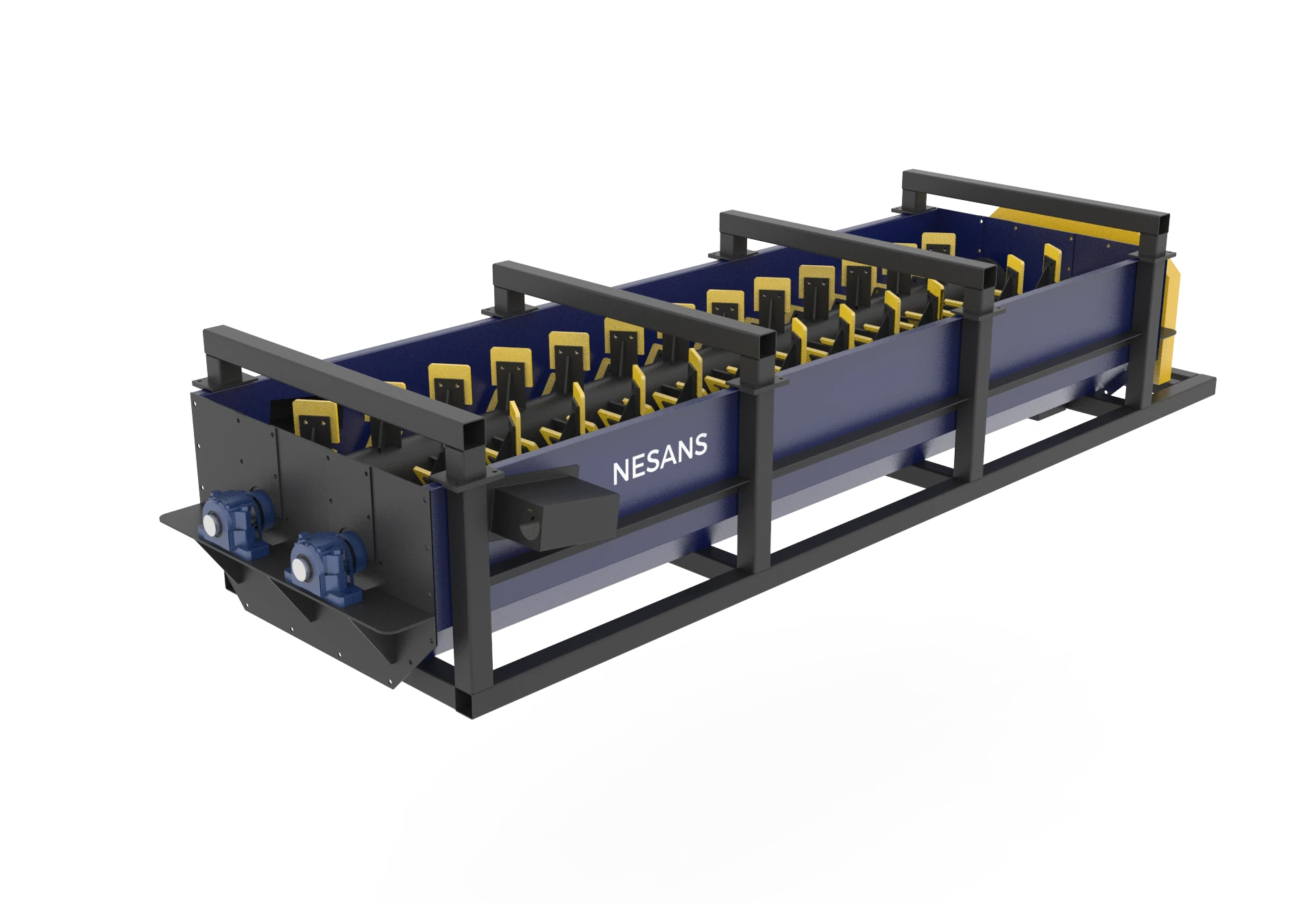
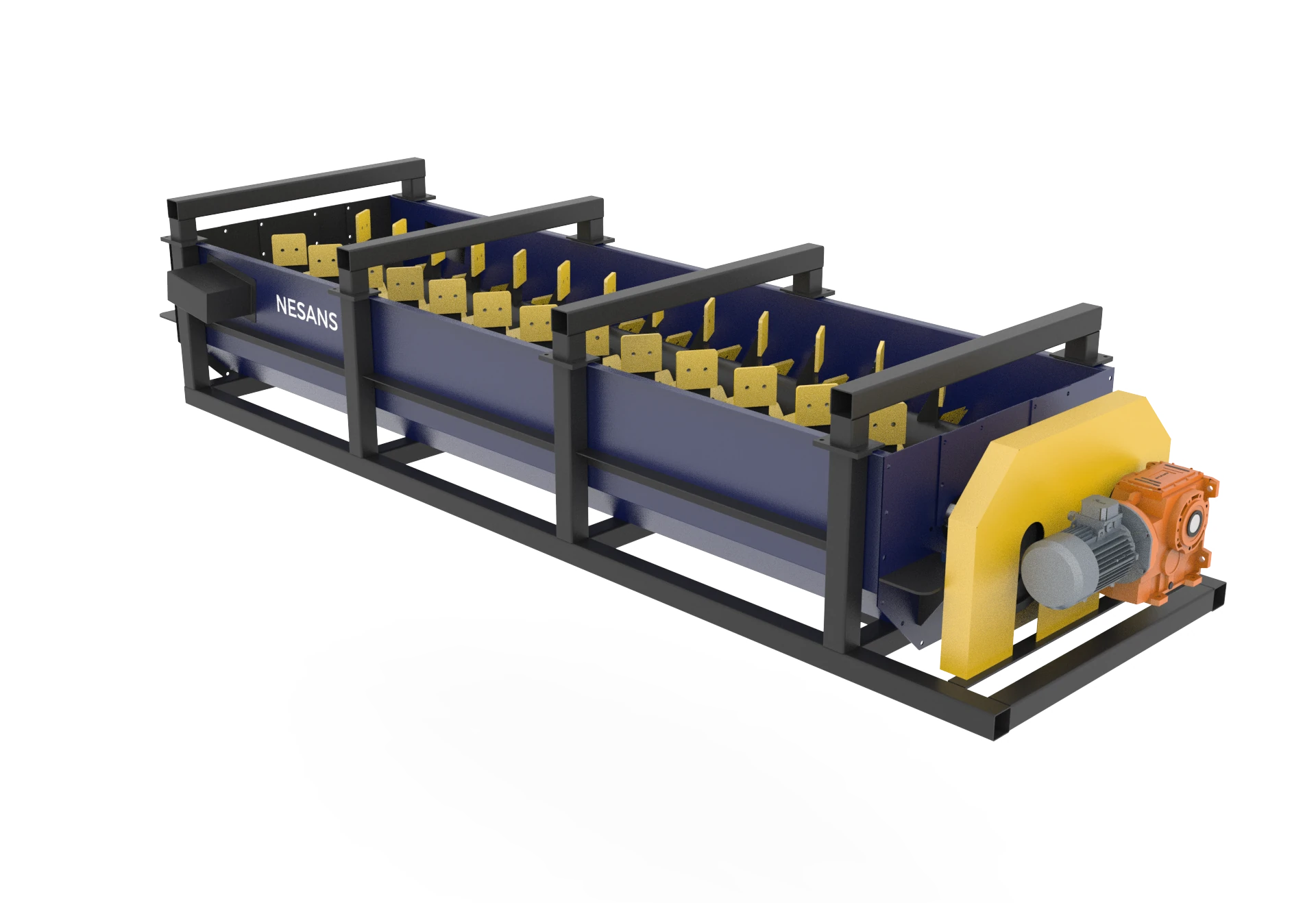
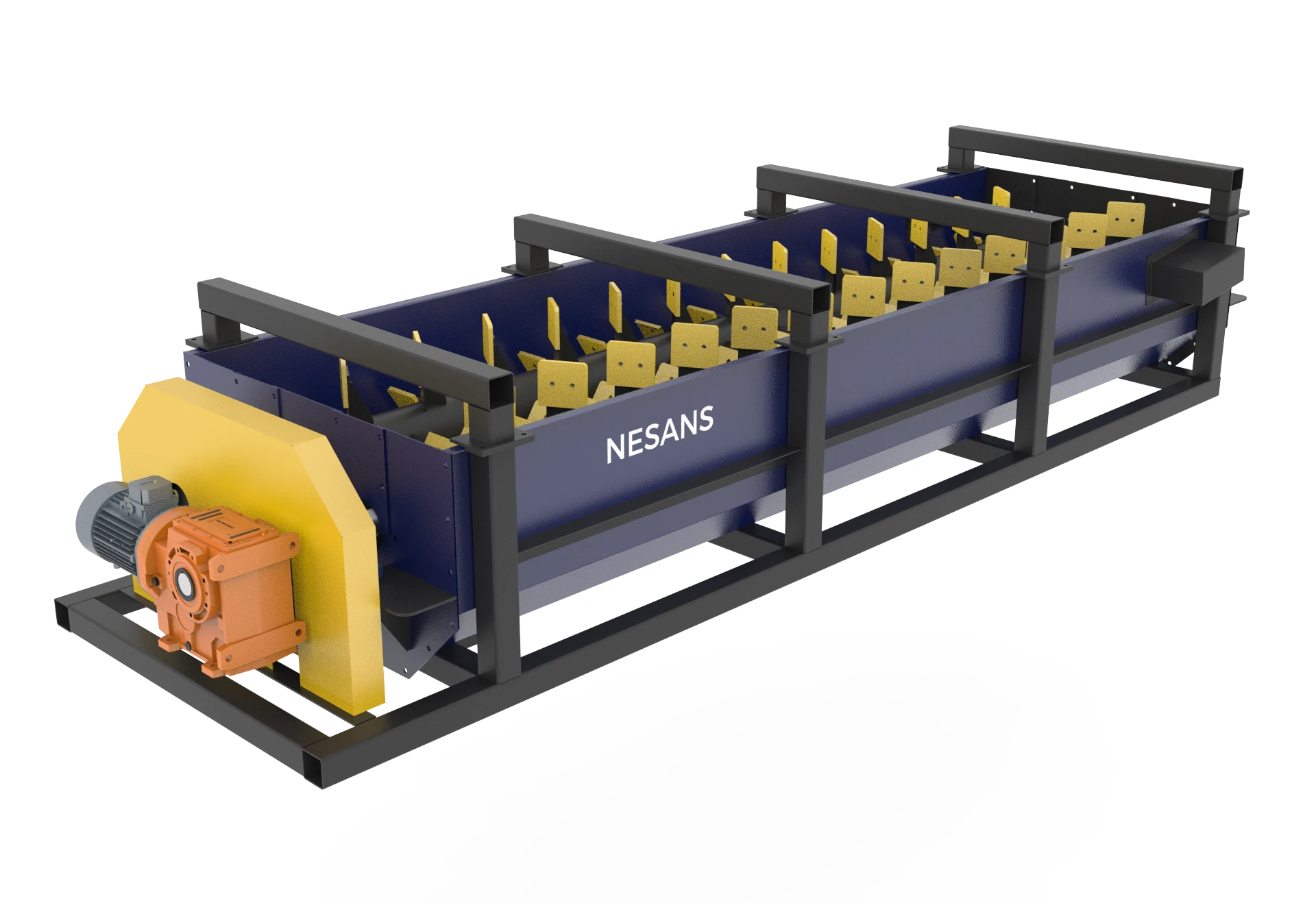
The Nesans LW Series Log Washer is a heavy-duty twin-shaft scrubbing machine engineered for aggressive washing of aggregates contaminated with tough plastic clay and other deleterious materials. Twin counter-rotating shafts equipped with massive AR steel paddles create intense rock-on-rock scrubbing action that breaks down and removes stubborn clay coatings — delivering clean, specification-grade aggregate ready for RCC, road base, railway ballast, and concrete sand applications.
Available in six configurations from 30 TPH to 400 TPH with paddle diameters from 30" (762 mm) to 46" (1168 mm), the LW Series accepts feed up to 150 mm and handles the full range of contaminated feedstocks — from quarried limestone with surface clay to iron-ore tailings and phosphate rock. An adjustable trough slope (0–12°) tunes retention time to match the specific clay plasticity and throughput target.
Applications:
How It Works
The Log Washer operates on the principle of aggressive mechanical scrubbing combined with counter-current hydraulic action. Material enters at the low end of the inclined trough where twin counter-rotating shafts equipped with massive paddles create intense rock-on-rock contact. As material moves up the incline, the paddles continuously tumble and scrub the aggregate, breaking down clay bonds and releasing contaminants.
Clean water introduced at the discharge end flows counter-current to the material, carrying away liberated fines and clay particles through the overflow weir. The adjustable slope (0–12°) controls retention time — steeper angles for heavily contaminated feed, lower angles for maximum throughput. This combination of mechanical scrubbing and counter-current washing delivers thoroughly cleaned aggregate ready for downstream classification, sand washing, and water recovery.
Features and Advantages
Specifications
| Model No. | Diameter (mm) | Length (m) | Max Feed Size (mm) | Motor Power (Kw) | Water Flow (m³/hr) | Capacity (mtph) |
|---|---|---|---|---|---|---|
| LW3016 | 762 | 4.9 | 75 | 37 | 200 | 30 - 50 |
| LW3620 | 914 | 6.1 | 100 | 45 | 250 | 50 - 75 |
| LW3625 | 914 | 7.6 | 100 | 55 | 300 | 75 - 100 |
| LW3630 | 914 | 9.1 | 100 | 75 | 400 | 100 - 150 |
| LW4430 | 1118 | 9.1 | 125 | 110 | 550 | 150 - 250 |
| LW4635 | 1168 | 10.7 | 150 | 150 | 800 | 250 - 400 |
| Model No. | Diameter (ft) | Length (ft) | Max Feed Size (in) | Motor Power (Hp) | Water Flow (gpm) | Capacity (stph) |
|---|---|---|---|---|---|---|
| LW3016 | 30 | 16 | 3 | 50 | 880 | 33 - 55 |
| LW3620 | 36 | 20 | 4 | 60 | 1100 | 55 - 83 |
| LW3625 | 36 | 25 | 4 | 75 | 1320 | 83 - 110 |
| LW3630 | 36 | 30 | 4 | 100 | 1760 | 110 - 165 |
| LW4430 | 44 | 30 | 5 | 150 | 2420 | 165 - 276 |
| LW4635 | 46 | 35 | 6 | 200 | 3520 | 276 - 441 |

Product Gallery

Relevant Products
Envowash
Learn More
Attrition Scrubber
Learn More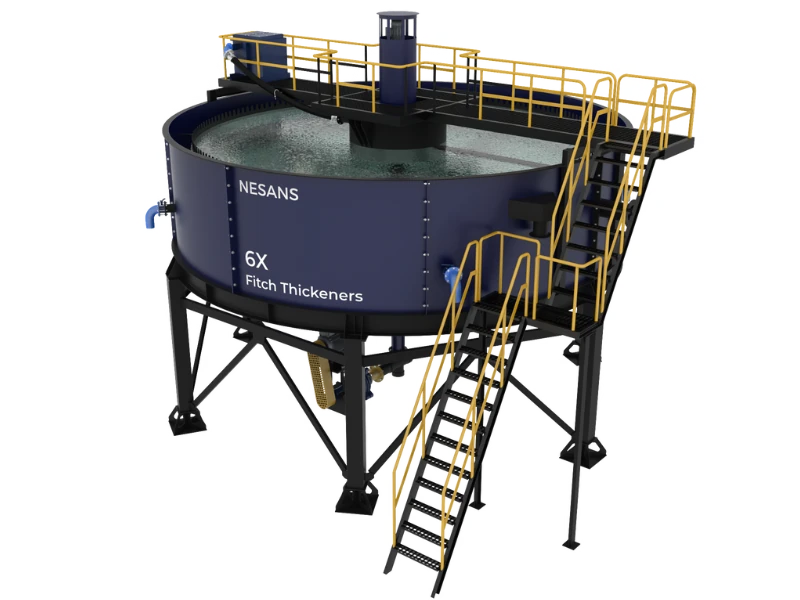
Thickener
Learn More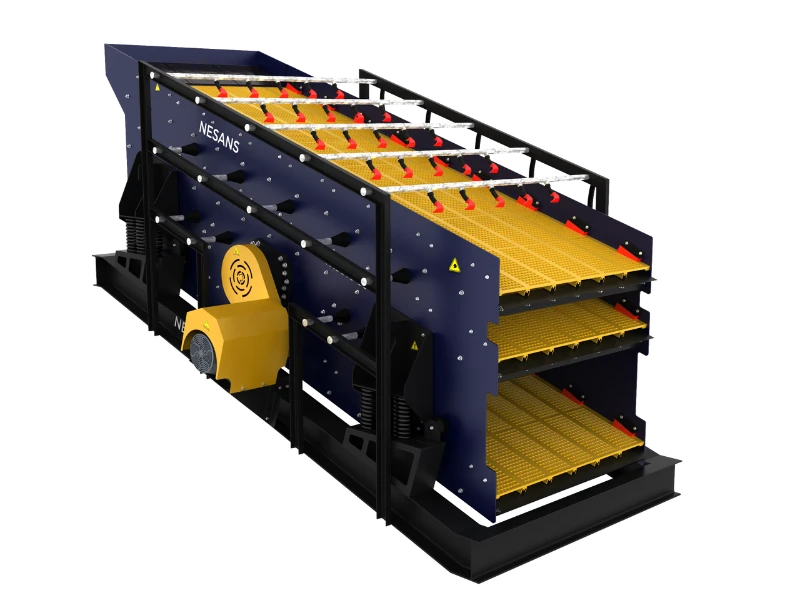
Modular Vibrating Screens
Learn MoreFAQs
A log washer is a heavy-duty scrubbing machine designed to remove plastic clay, soft surface contaminants, and tough deleterious materials from aggregates, limestone, gravel, iron ore, phosphate, and similar feedstocks. It is typically deployed upstream of sand washers and classification screens, wherever conventional bucket or screw washers cannot break down tough clay coatings.
Bucket and screw-type washers (SWD Series, Hydrowash) are designed for sand-fraction dewatering and gentle washing. The Log Washer is far more aggressive — its twin counter-rotating shafts with AR steel paddles create rock-on-rock scrubbing that breaks plastic-clay coatings, which sand washers cannot. Log Washer is the primary scrubbing stage; sand washers come downstream after classification.
Maximum feed size depends on the model: LW3016 accepts up to 75 mm, LW3620/LW3625/LW3630 up to 100 mm, LW4430 up to 125 mm, and the largest LW4635 handles up to 150 mm. The Log Washer typically sits after primary crushing and pre-screening, replacing or supplementing a sand washer when feed contains plastic clay.
The trough can be tilted between 0° and 12°. A steeper slope (closer to 12°) shortens retention time and is suitable for moderately contaminated feed at maximum throughput. A flatter slope (closer to 0°) increases retention time for thorough scrubbing of heavily clay-bound material. This single adjustment lets operators tune the same machine for different feedstocks and clay plasticities.
Water flow ranges from 200 m³/hr (LW3016) to 800 m³/hr (LW4635). The system uses counter-current water flow with an overflow weir that can be integrated with a thickener (NFT Series) and water-recovery circuit to recycle 80–90% of process water — reducing fresh-water demand and meeting plant-level water-management targets.
Contact Us
Want to Know More? Need a Quote? Please Complete the form below and our Sales Engineer will follow up shortly.
