
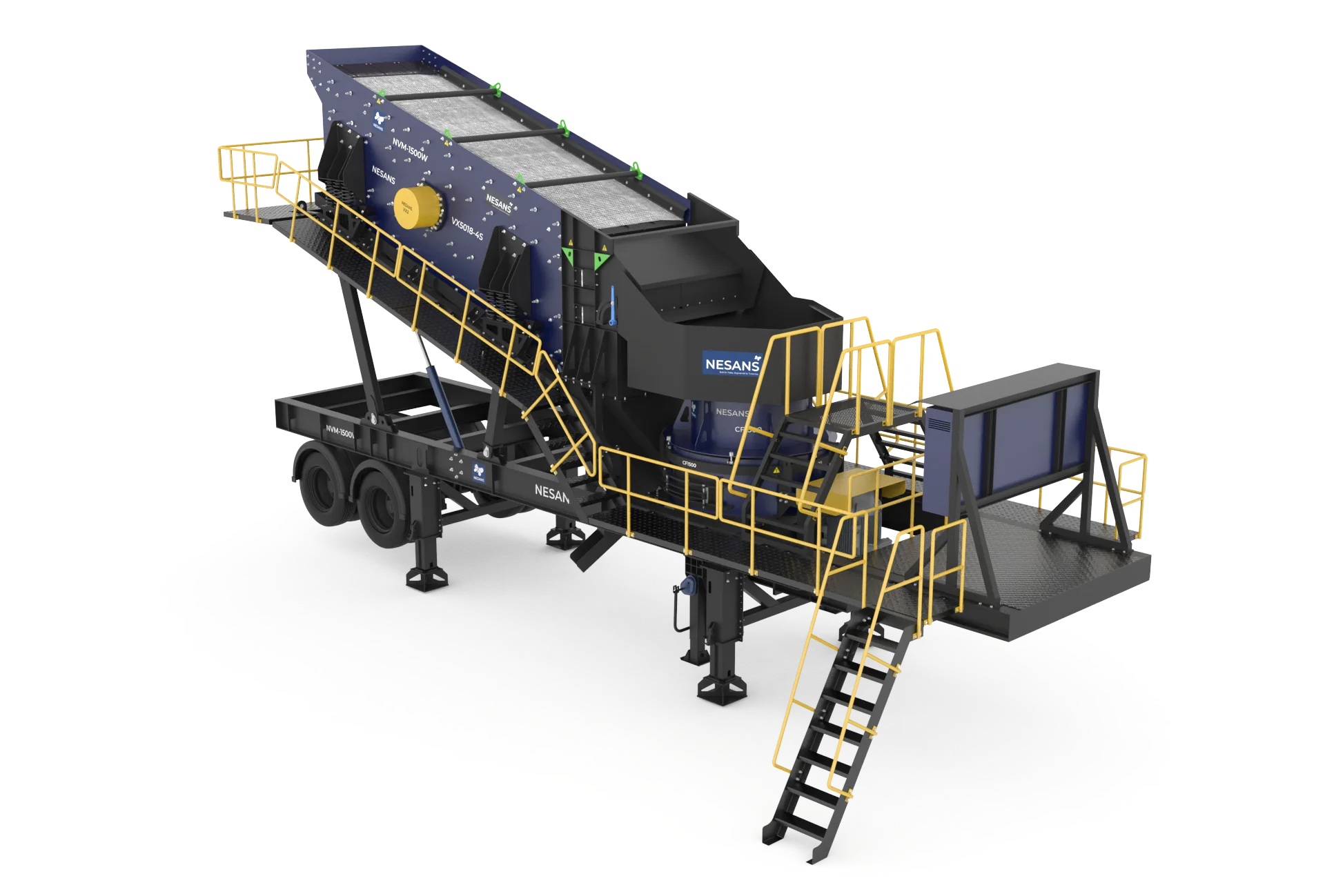
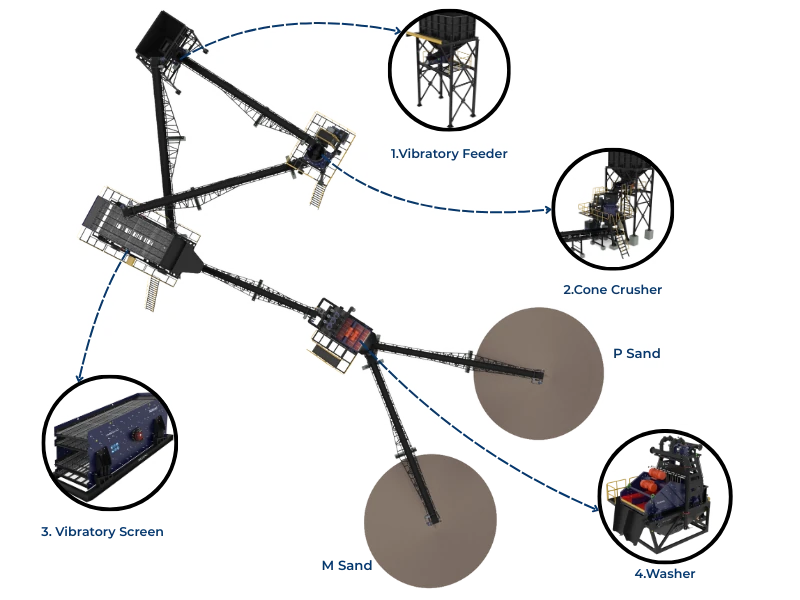
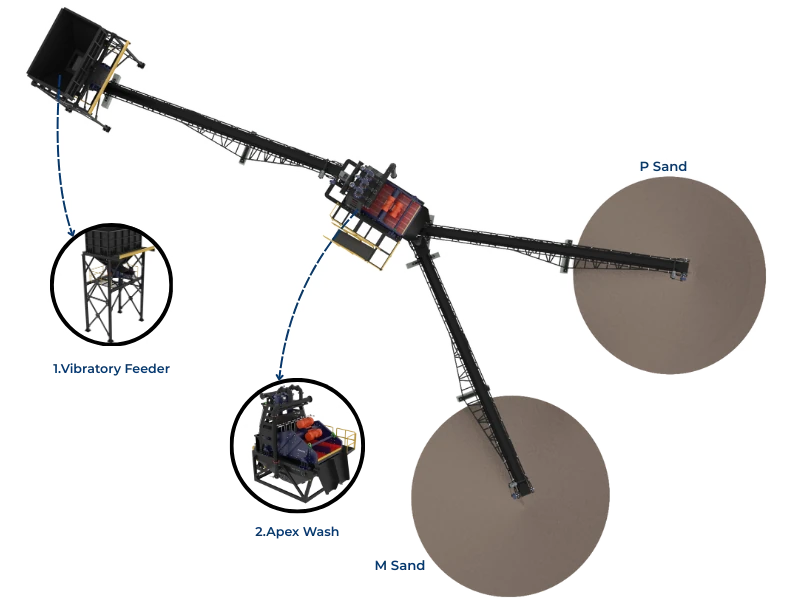
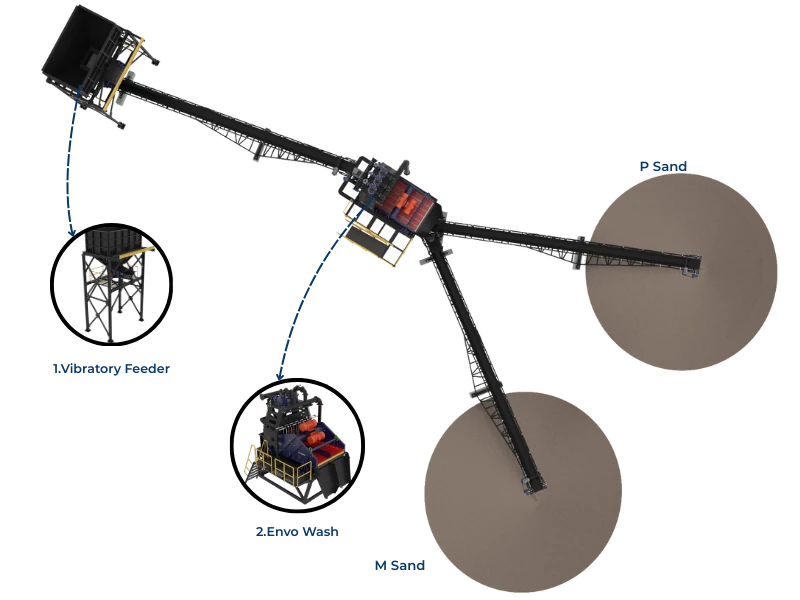
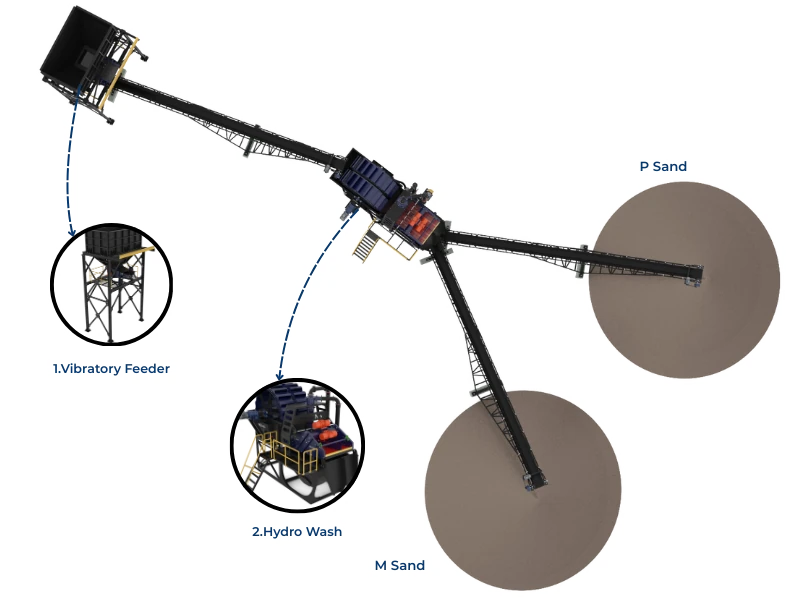




Tamil Nadu's M-Sand market is projected to reach ₹12,000 crores by 2026, driven by the complete ban on river sand mining and explosive growth in construction activity across Chennai, Coimbatore, Madurai, and tier-2 cities. A well-planned 100 TPH M-Sand plant with proper licenses can generate ₹8-12 lakhs daily revenue (₹24-36 crores annually) with 18-24 month ROI—yet 60% of entrepreneurs fail within the first year due to clearance delays, inadequate quality control, or poor financial planning. This comprehensive guide provides the complete legal, technical, and financial roadmap to establish a profitable M-Sand plant in Tamil Nadu in 2025.
The manufactured sand industry in Tamil Nadu has transformed from an alternative option to the primary aggregate source for construction. With strict enforcement of river sand mining bans under the Tamil Nadu Minor Mineral Concession Rules, 2019, and rising quality awareness among builders and RMC (Ready-Mix Concrete) plants, the demand for consistent, high-quality M-Sand has created unprecedented opportunities for well-equipped producers. However, success requires navigating complex regulatory frameworks, making informed equipment choices, and implementing quality control systems that meet IS 383:2016 specifications.
This guide walks through every aspect of setting up an M-Sand plant in Tamil Nadu—from mining lease applications to production optimization—providing specific costs, timelines, and actionable insights drawn from successful implementations across the state.
Why M-Sand? Market Context and Opportunity in Tamil Nadu
The River Sand Crisis
Tamil Nadu's construction industry consumed approximately 180 million cubic meters of sand annually before the river sand ban. With complete prohibition of river sand extraction since 2019 (except limited dredging in Cauvery and tributaries under strict monitoring), M-Sand has become the only legally viable fine aggregate source.
Key Market Drivers:
- Legal Mandate: G.O. (Ms) No. 110 (2018) effectively banned river sand mining, creating zero-competition regulatory environment for licensed M-Sand producers
- Quality Requirements: Infrastructure projects (highways, metro, airports) mandate IS 383:2016 compliant M-Sand with documented test certificates
- Price Advantage: M-Sand costs ₹1,400-1,800/ton vs. illegal river sand at ₹2,500-3,500/ton (when available)
- Consistent Supply: Year-round production vs. seasonal river sand availability
- Environmental Compliance: Builders and developers face penalties for using illegal sand—driving demand for certified M-Sand
Tamil Nadu Market Size and Growth
Current Market (2025):
- Total M-Sand demand: ~150 million tons/year
- Licensed production capacity: ~110 million tons/year (shortfall of 40 million tons)
- Number of licensed plants: 850-950 across Tamil Nadu
- Market value: ₹9,500-11,000 crores annually
Major Consumption Centers:
- Chennai Metropolitan Area: 45-50 million tons/year (residential, commercial, metro, port expansion)
- Coimbatore Region: 18-22 million tons/year (industrial construction, IT parks, residential)
- Madurai-Trichy Belt: 12-15 million tons/year (government projects, residential)
- Salem-Erode Region: 10-12 million tons/year (textile infrastructure, residential)
- Tier-2 Cities: 8-10 million tons/year (Tirunelveli, Vellore, Thanjavur, Thoothukudi)
⚠️ Opportunity Assessment: Despite 850+ licensed plants, actual daily production is constrained by power outages, equipment breakdowns, and seasonal quarry closures. Well-managed plants with 95%+ uptime capture premium pricing (₹200-400/ton above market) through consistent supply contracts with RMC plants and large builders.
Legal and Regulatory Framework in Tamil Nadu
1. Mining Lease and Quarry Rights
Issuing Authority: Directorate of Geology and Mining (DGM), Tamil Nadu
Governing Rules: Tamil Nadu Minor Mineral Concession Rules, 2019
Types of Leases:
- Quarry Lease: For extracting granite, basalt, or hard rock (preferred for dedicated M-Sand operations)
- Crusher Dust Utilization: Purchasing crusher dust from existing quarries (lower capital but dependency risk)
Quarry Lease Process:
- Application Submission: Apply to District Collector with geological survey report, land documents, processing fees (₹50,000-2,00,000 based on area)
- Site Inspection: DGM conducts feasibility assessment (mineral quality, reserves, environmental sensitivity)
- Lease Approval: District Collector grants lease for 5-10 years (renewable) with annual royalty (₹55-75/ton for granite)
- Timeline: 4-8 months (delays common due to environmental clearances and local objections)
Costs:
- Application fees: ₹50,000-2,00,000
- Annual lease rent: ₹2-5 lakhs (based on area and mineral type)
- Royalty: ₹55-75/ton of extracted rock
- Bank guarantee: ₹10-25 lakhs (refundable)
2. Tamil Nadu Pollution Control Board (TNPCB) Clearances
Required Clearances:
A. Consent to Establish (CTE)
- Requirement: Before starting construction/installation of crushing plant
- Documents: Project report, layout plan, pollution control measures (dust suppression, water recycling), land ownership proof
- Processing Time: 60-90 days
- Fees: ₹25,000-1,00,000 (based on investment and capacity)
- Validity: Valid until plant commissioning (typically 1-2 years)
B. Consent to Operate (CTO)
- Requirement: After plant installation, before commercial production
- Documents: Completion certificate, trial run report, water source NOC, stack emission test results
- Processing Time: 45-75 days
- Fees: ₹50,000-2,50,000/year (based on capacity—50 TPH: ~₹75,000/year; 100 TPH: ~₹1,50,000/year)
- Validity: Annual renewal required
Pollution Control Requirements:
- Dust Suppression: Water sprinklers at crushing points, enclosed conveyors, bag filters for fine material
- Noise Control: Acoustic enclosures for crushers, noise barriers (must maintain <75 dB at boundary)
- Water Management: Zero discharge system—100% water recycling through settling tanks/clarifiers
- Waste Management: Crusher fines (<150 micron) utilization plan (typically sold for brick manufacturing)
⚠️ Compliance Monitoring: TNPCB conducts surprise inspections 2-4 times/year. Non-compliance results in ₹10,000-50,000 fines or CTO suspension (forcing plant shutdown). Budget ₹3-5 lakhs/year for environmental monitoring, stack testing, and water quality analysis.
3. Environmental Clearance (EC)
Applicability:
- Required if: Stone crusher capacity >25 TPH AND quarry lease area >5 hectares
- Authority: State Environment Impact Assessment Authority (SEIAA), Tamil Nadu
- Timeline: 6-12 months
- Cost: ₹5-15 lakhs (includes EIA study, public hearing, consultant fees)
Process:
- Engage NABET-accredited EIA consultant (₹3-8 lakhs)
- Conduct Environmental Impact Assessment study (4-6 months)
- Submit application to SEIAA with EIA report
- Public hearing in local area (mandatory for >25 TPH)
- SEIAA review and approval (3-6 months post-hearing)
Note: Most 60-100 TPH plants structure operations to avoid EC requirements by keeping reported capacity ≤25 TPH (actual production may be higher through extended shifts).
4. Factory License
Issuing Authority: Directorate of Industrial Safety and Health (DISH), Tamil Nadu
Requirement: Mandatory for all manufacturing units employing ≥10 workers with power, or ≥20 workers without power
Application Process:
- Submit Form 2 (Factory Plans) and Form 3 (Application) to Chief Inspector of Factories
- Site inspection by DISH inspector (checks safety measures, worker facilities, emergency exits)
- License issuance within 45-60 days
- Fees: ₹5,000-15,000 (one-time)
- Renewal: Every 5 years
Safety Requirements:
- First aid facilities and trained first-aider
- Fire extinguishers at electrical panels and fuel storage
- Machine guarding for conveyors and rotating equipment
- PPE provision (helmets, safety shoes, dust masks, ear plugs)
- Emergency assembly point and evacuation plan
5. Labour Licenses
A. Shops and Establishments Act Registration
- Authority: Labour Department, District Registrar
- Fees: ₹2,000-5,000
- Timeline: 15-30 days
B. Contract Labour License (if using contractors for >20 workers)
- Authority: Regional Labour Commissioner
- Fees: ₹1,500-5,000
- Validity: 1 year (renewable)
C. ESI and EPF Registration
- ESIC Registration: Mandatory if employing ≥10 workers (covers medical insurance)
- EPF Registration: Mandatory if employing ≥20 workers (provident fund contribution)
- Costs: ESI: 3.25% of wages (employer share); EPF: 12% of wages (employer share)
6. GST Registration
Requirement: Mandatory for all manufacturing units with turnover >₹40 lakhs/year
GST Rate on M-Sand: 5% (classified as sand other than natural sand, HSN 2517)
Process:
- Online registration at www.gst.gov.in
- Documents: PAN, Aadhaar, land lease/ownership proof, TNPCB CTO, bank statement
- Timeline: 7-15 days
- No fees for registration
Input Tax Credit (ITC) Benefits: Claim GST paid on equipment, power, spare parts, and services against GST collected on M-Sand sales—effectively reducing tax burden by 40-60%.
7. Trade License
Issuing Authority: Local Municipality/Panchayat
Requirement: For commercial operation of M-Sand plant
- Fees: ₹5,000-25,000/year (varies by municipality)
- Documents: Land document, TNPCB CTO, factory license, tax receipts
- Timeline: 15-30 days
- Renewal: Annual
Summary: Licensing Timeline and Costs
| License/Clearance | Timeline | Initial Cost | Recurring Cost |
|---|---|---|---|
| Mining Lease | 4-8 months | ₹3-8 lakhs | ₹5-10 lakhs/year (royalty varies) |
| TNPCB CTE | 2-3 months | ₹25,000-1,00,000 | - |
| TNPCB CTO | 1.5-2.5 months | ₹50,000-2,50,000 | Annual renewal at same rate |
| Environmental Clearance | 6-12 months | ₹5-15 lakhs | - |
| Factory License | 1.5-2 months | ₹5,000-15,000 | Renewal every 5 years |
| Labour Licenses | 1 month | ₹5,000-15,000 | ₹10,000-20,000/year |
| GST Registration | 7-15 days | Free | - |
| Trade License | 15-30 days | ₹5,000-25,000 | Annual renewal |
| TOTAL | 8-14 months | ₹10-30 lakhs | ₹6-12 lakhs/year |
⚠️ Critical Success Factor: Engage a local consultant experienced in Tamil Nadu mining and pollution clearances (fees: ₹2-5 lakhs). They reduce approval time by 30-50% and prevent costly documentation errors. Without expert guidance, licensing alone can take 18-24 months.
Land Requirements and Site Selection
Minimum Land Area by Capacity
- 30 TPH Plant: 1.5-2 acres (compact layout, suitable for crusher dust utilization model)
- 60 TPH Plant: 2-3 acres (includes crusher zone, screening area, storage bunkers, office)
- 100 TPH Plant: 3-4 acres (proper segregation of crushing stages, adequate stockpile area)
- 150 TPH Plant: 4-5 acres (requires larger screening decks, multiple storage bunkers, maintenance workshop)
Land Allocation Breakdown (100 TPH Example):
- Crushing and screening area: 0.8-1 acre
- Raw material stockpile: 0.5-0.7 acres (10,000-15,000 tons storage)
- Finished product storage: 0.6-0.8 acres (segregated bunkers for different grades)
- Water recycling system: 0.3-0.4 acres (settling tanks, clarifiers)
- Roads and internal circulation: 0.4-0.5 acres
- Office, lab, workshop: 0.2-0.3 acres
- Green belt and buffer zone: 0.2-0.3 acres (TNPCB requirement)
Site Selection Criteria
1. Proximity to Quarry
- Ideal Distance: <5 km from granite/basalt quarry (reduces transportation cost by ₹100-200/ton)
- Road Access: Paved road connecting to NH/SH (10-12 wheeler trucks must access year-round)
- Ownership Model: Owning both quarry lease and crusher plant on adjacent land provides maximum cost control
2. Proximity to Markets
Target Markets and Optimal Locations:
- Chennai Market: Plants in Tiruvallur, Kanchipuram, Chengalpattu districts (30-60 km radius captures metro demand)
- Coimbatore Market: Plants in Coimbatore, Tiruppur, Erode districts
- Madurai Market: Plants in Madurai, Dindigul, Sivaganga districts
Transportation Economics: M-Sand transportation costs ₹3-4/ton/km. A plant 80 km from Chennai incurs ₹240-320/ton freight, limiting competitiveness against plants within 40 km (₹120-160/ton freight). Position plant to reach 70%+ of target customers within 50 km radius.
3. Infrastructure Requirements
- Power Supply: Three-phase EB connection essential (100 TPH plant requires 400-500 HP connected load = 300-375 kVA transformer). Substation must be within 2-3 km (beyond this, transformer cost escalates by ₹5-10 lakhs/km)
- Water Source: Borewell (100-150 feet depth) yielding 3,000-5,000 liters/hour OR surface water source (river, lake) with pumping arrangement. Note: 80-90% water recycled—fresh water consumption only 300-500 liters/ton produced
- Land Slope: 1-3% slope facilitates gravity flow from crushers to screens, reducing conveyor requirements
4. Regulatory and Social Factors
- Distance from Habitation: TNPCB mandates ≥200 meters from residential areas (500 meters preferred to minimize noise complaints)
- No-Go Zones: Avoid forest land, ecologically sensitive areas, water bodies, archaeological sites
- Community Relations: Engage local panchayat before land purchase—verbal opposition during public hearing can delay EC by 6-12 months
Land Ownership vs. Lease
Purchase (Preferred for >100 TPH):
- Cost: ₹8-25 lakhs/acre (varies widely: ₹8-12 lakhs in Salem/Namakkal; ₹18-25 lakhs near Chennai)
- Advantages: One-time cost, no renewal risk, land appreciates 8-12%/year
- Financing: 50-60% loan against land available from banks
Long-term Lease (Viable for <60 TPH):
- Cost: ₹50,000-2,00,000/acre/year (10-20 year lease)
- Advantages: Lower upfront capital
- Risks: Renewal uncertainty after 10 years, limited loan eligibility
⚠️ Land Acquisition Tip: Purchase agricultural land classified as dry land or wasteland—conversion from agriculture to industrial use costs ₹2-5 lakhs and takes 4-8 months through District Collector office. Avoid wetland/irrigated land (conversion rarely approved).
Equipment Selection and Plant Layout
Complete Equipment List for M-Sand Production
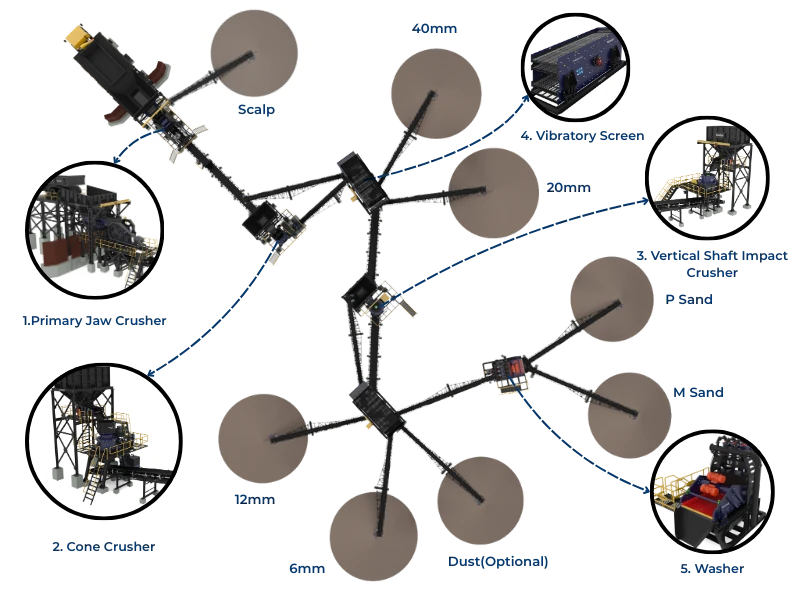
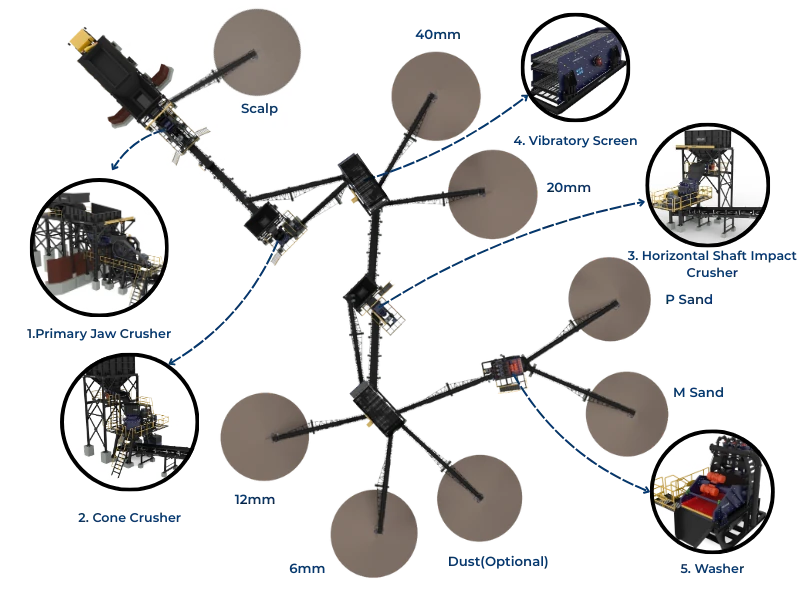
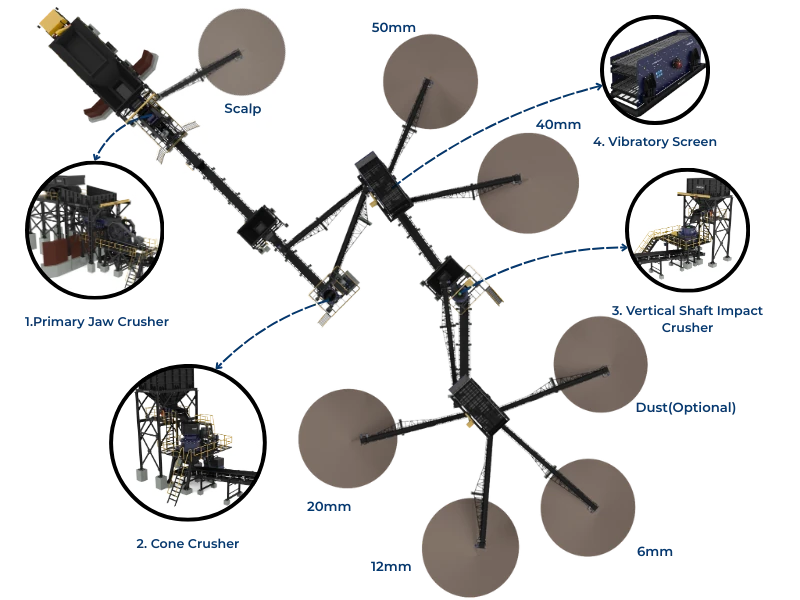
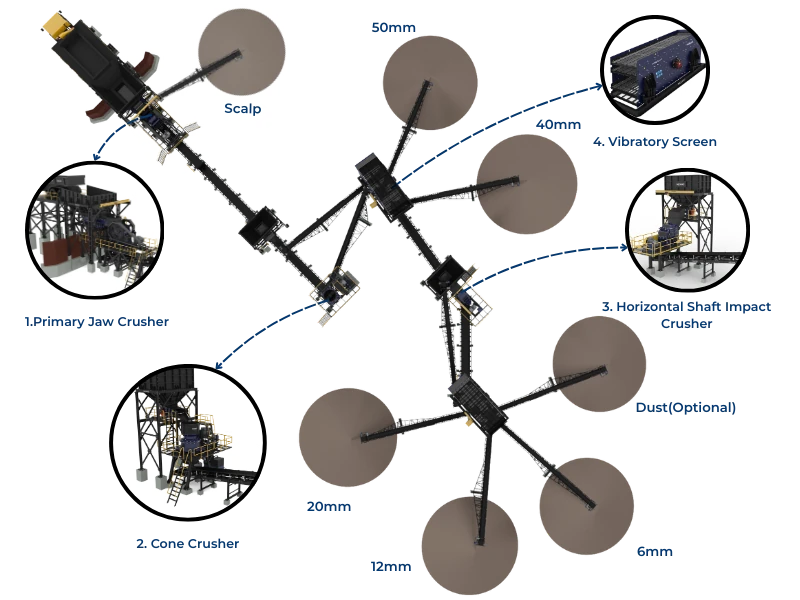
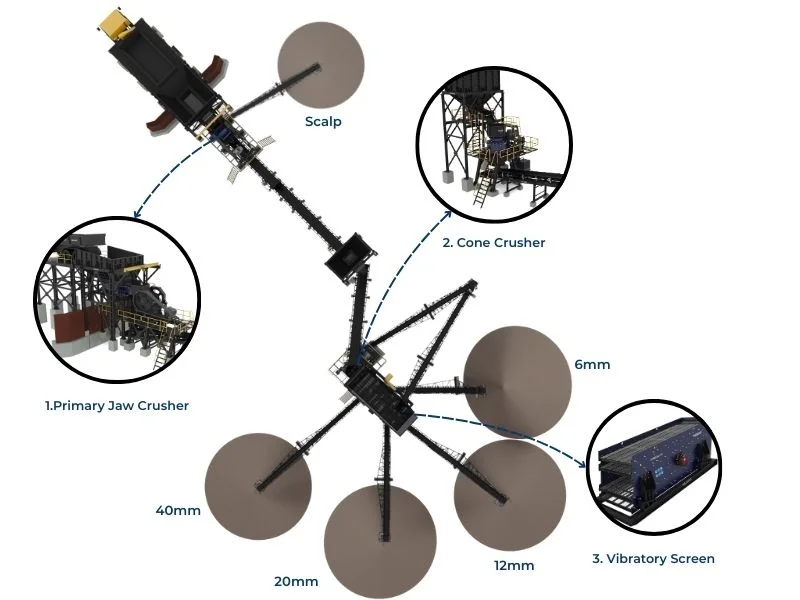
High-quality M-Sand production requires a three-stage crushing circuit: Primary crushing (size reduction), secondary crushing (further reduction), and tertiary crushing (particle shaping for IS 383 compliance).
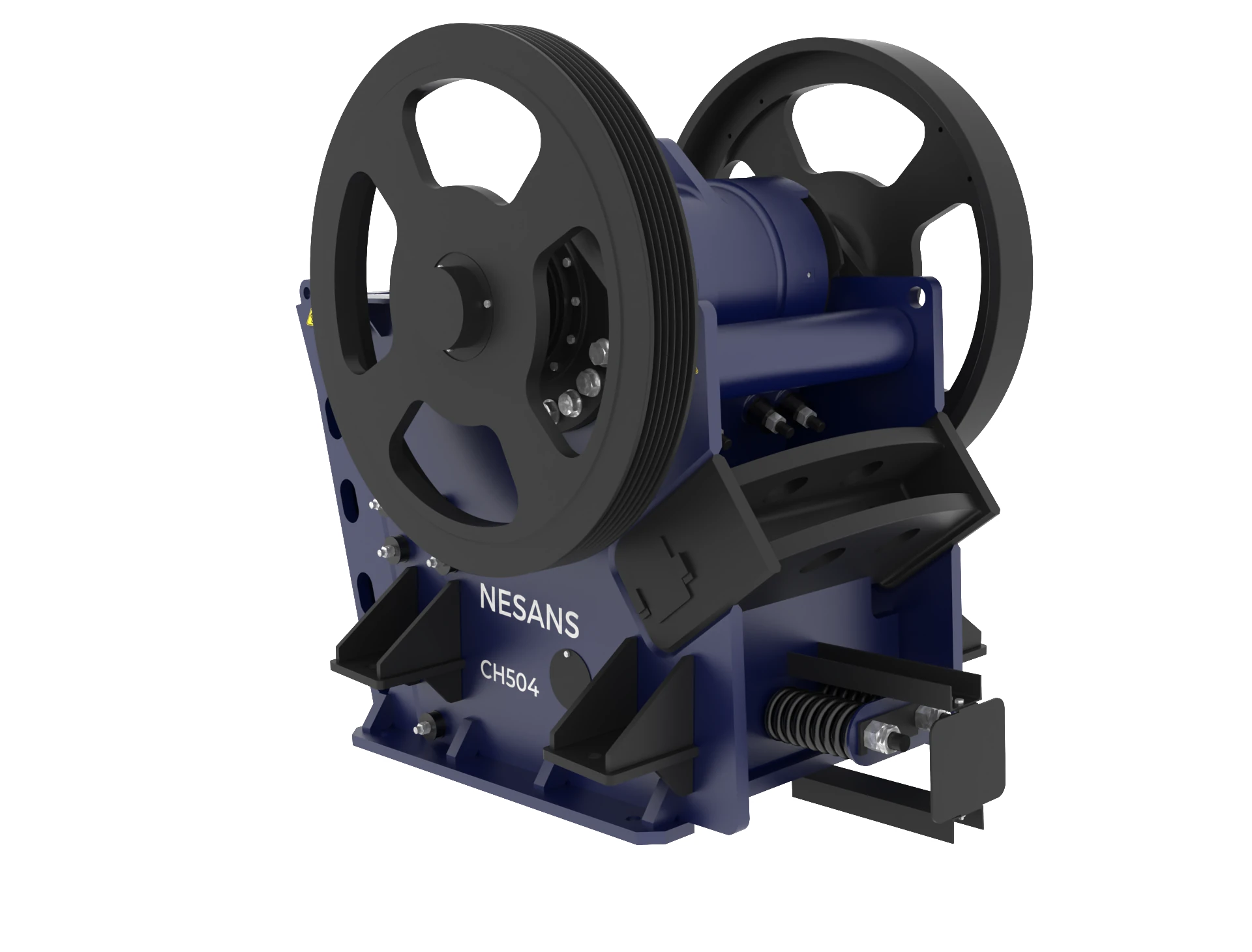
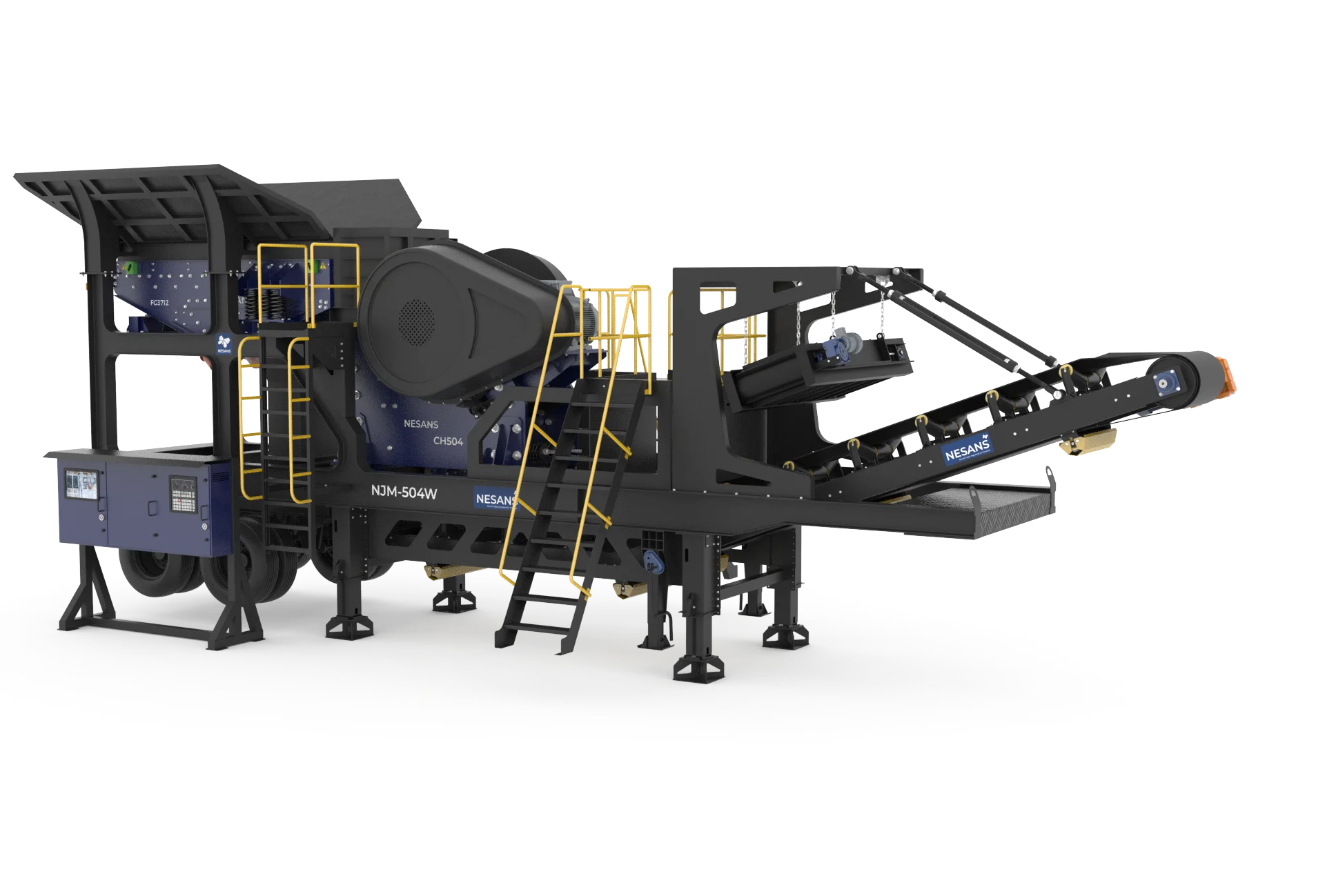
1. Primary Crusher: Jaw Crusher
Function: Reduces quarry rock (400-600mm) to 80-120mm for secondary crusher feed
Sizing by Plant Capacity:
- 30 TPH Plant: 600×400mm jaw crusher (55-75 HP motor)
- 60 TPH Plant: 750×500mm jaw crusher (90-110 HP motor)
- 100 TPH Plant: 900×600mm jaw crusher (120-150 HP motor)
- 150 TPH Plant: 1000×750mm jaw crusher (175-200 HP motor)
Key Features to Specify:
- Heavy-duty manganese steel jaw plates (12-14% Mn content for 3,000-4,000 hour life)
- Hydraulic toggle adjustment for CSS (closed side setting) control
- Grease lubrication system (simpler maintenance vs. oil bath)
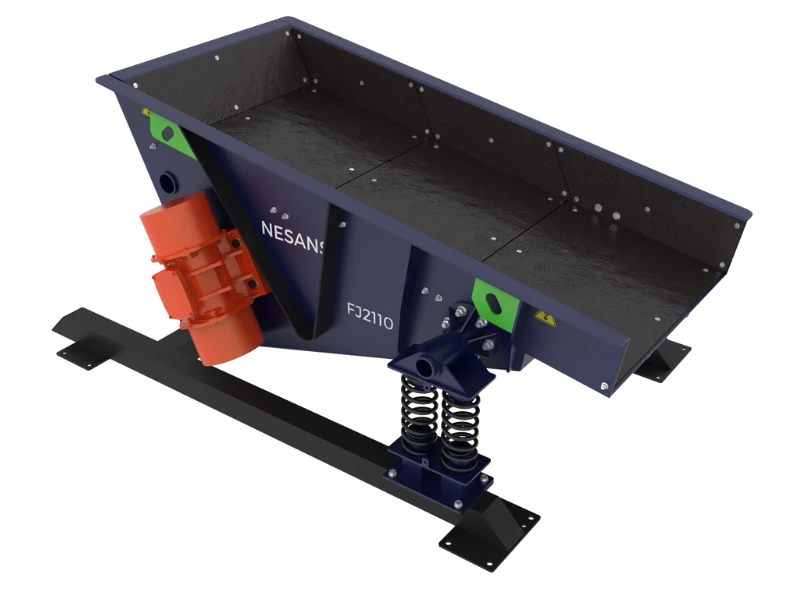
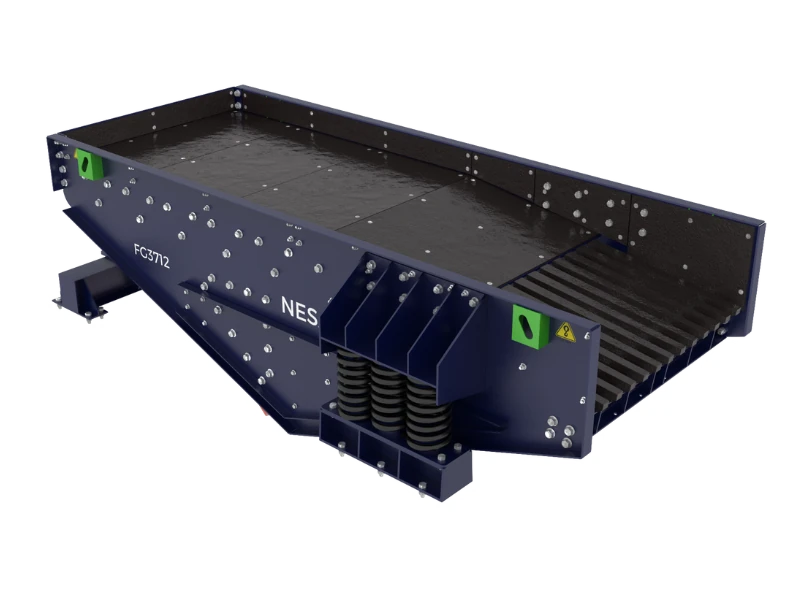
- Vibrating grizzly feeder with scalping screen (removes fines before crushing, increases capacity 15-20%)
Cost: ₹12-18 lakhs (60 TPH); ₹18-28 lakhs (100 TPH) | View Jaw Crusher specifications
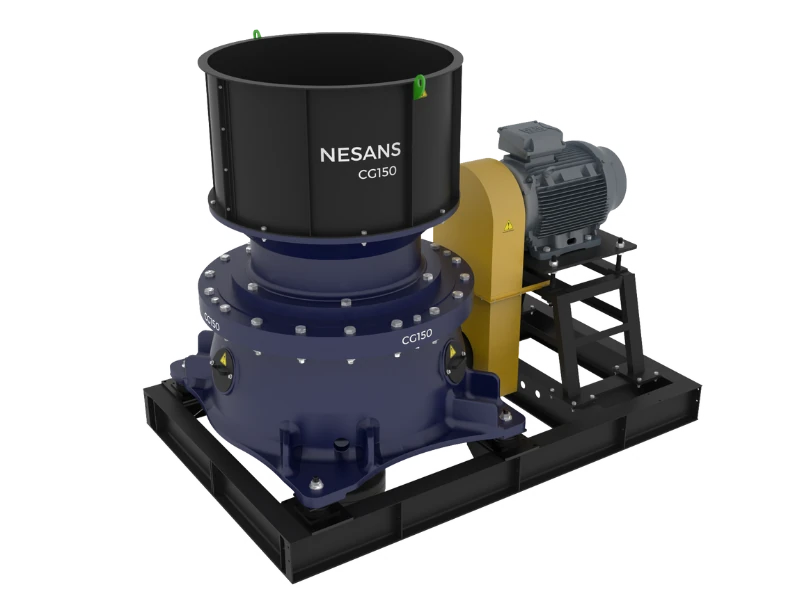
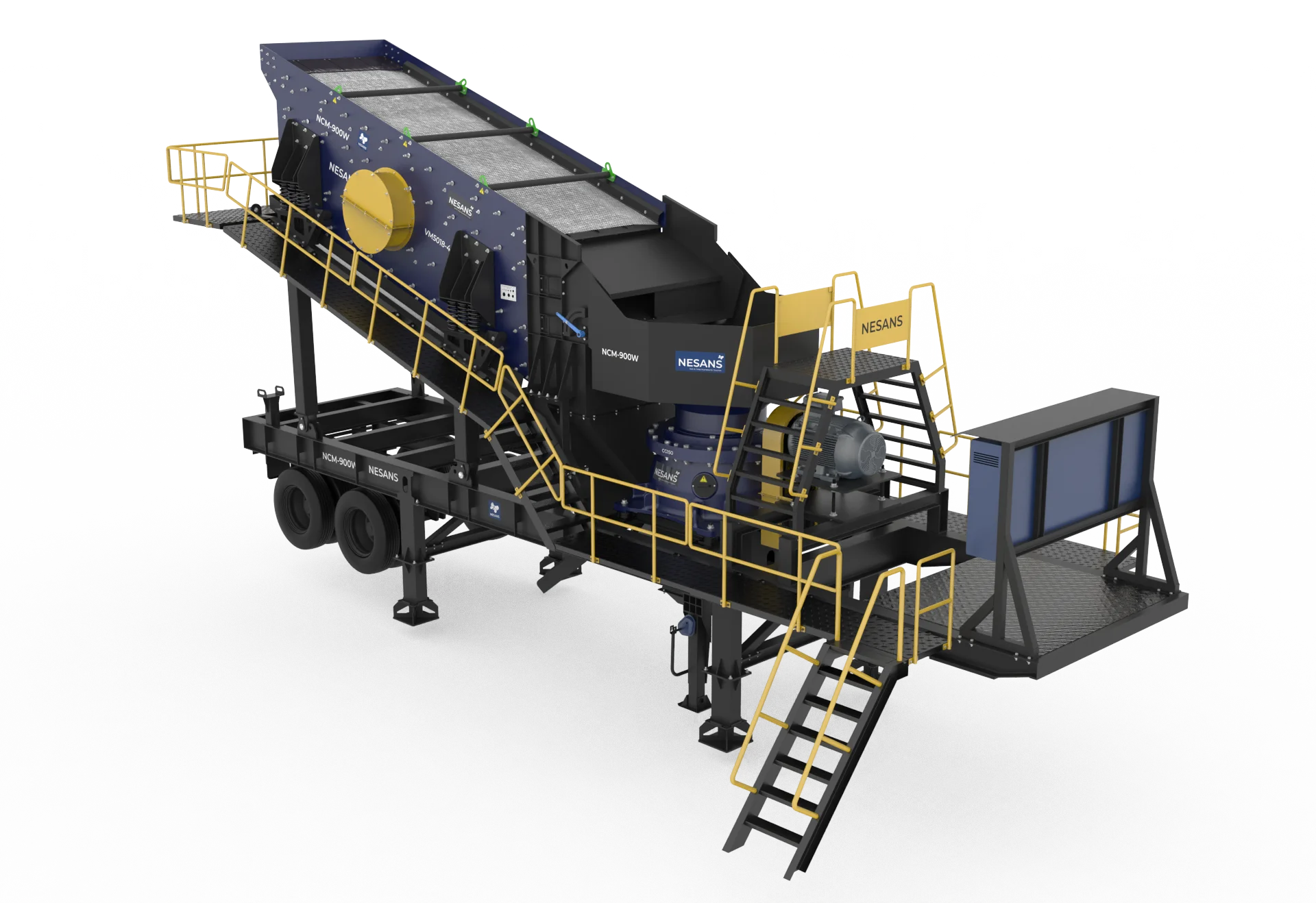
2. Secondary Crusher: Cone Crusher
Function: Reduces jaw crusher output (80-120mm) to 10-30mm for VSI feed; produces coarse aggregate (20mm, 12mm) as co-products
Sizing by Plant Capacity:
- 60 TPH Plant: 3-foot cone crusher (75-90 HP motor)
- 100 TPH Plant: 4-foot cone crusher (110-132 HP motor)
- 150 TPH Plant: 4.25-foot cone crusher (150-180 HP motor)
Key Features:
- Spring or hydraulic adjustment mechanism (hydraulic preferred—allows in-process adjustment)
- Manganese steel concave and mantle (8,000-12,000 hour life for granite)
- Dust sealing system to prevent bearing contamination
- Hydraulic tramp relief (prevents damage from uncrushable material)
Cost: ₹18-25 lakhs (60 TPH); ₹25-38 lakhs (100 TPH) | View Cone Crusher specifications
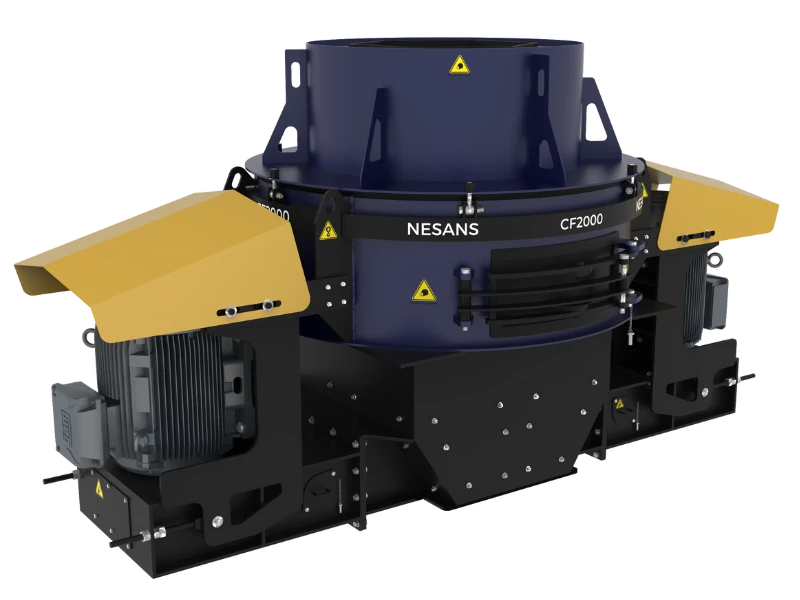
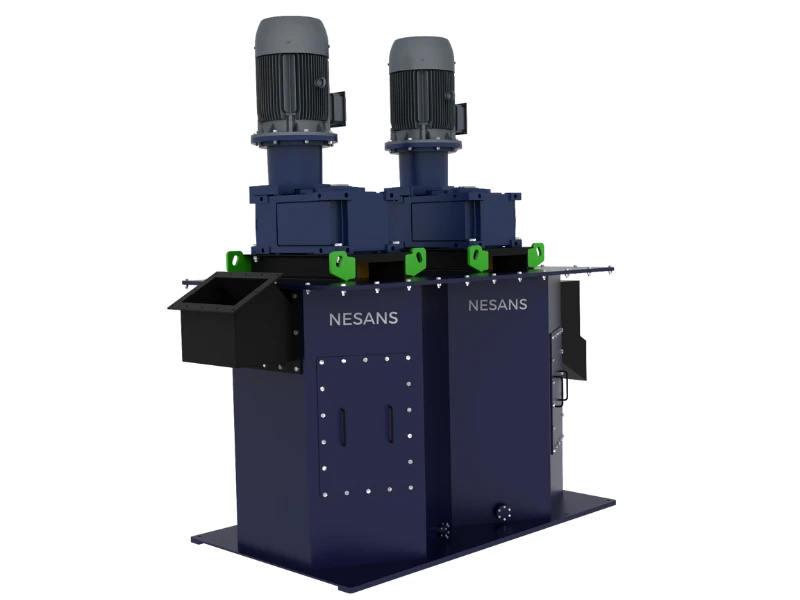
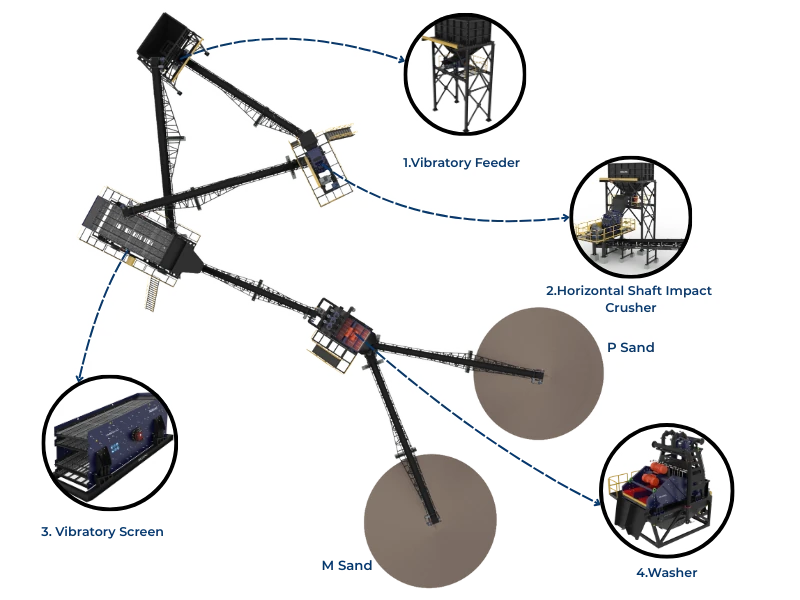
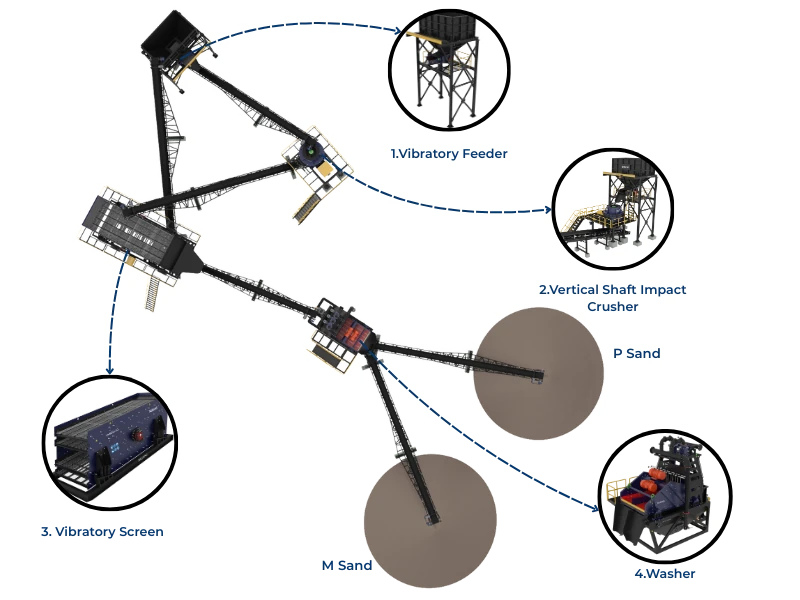
3. Tertiary Crusher: Vertical Shaft Impact (VSI) Crusher
Function: Shapes cone crusher output (10-30mm) into cubical, IS 383-compliant M-Sand through rock-on-rock crushing; reduces flakiness/elongation to <15%
Critical Equipment—M-Sand Quality Depends on VSI Performance
Sizing by Plant Capacity:
- 30 TPH M-Sand: 180-220 kW VSI (6-pole motor, 990 RPM, 60-65 m/s tip speed)
- 60 TPH M-Sand: 280-320 kW VSI (same RPM and tip speed)
- 100 TPH M-Sand: 400-450 kW VSI (largest single-rotor VSI for M-Sand)
Key Design Parameters:
- Rotor Configuration: Closed rotor with replaceable wear tips (open rotors cause excessive fines)
- Cascade Feed: Ensures material accelerates uniformly before impact (poor feed distribution causes uneven wear)
- Rock-on-Rock Crushing: Material impacts stationary rock box filled with same material (produces cubical shape vs. rock-on-anvil)
- Variable Speed Drive: Allows tip speed adjustment (60-75 m/s)—higher speed for hard granite, lower for softer rock
VSI Wear Parts Life:
- Rotor tips: 400-600 hours (cost: ₹80,000-1,50,000/set)
- Rock box liners: 600-1,000 hours (cost: ₹60,000-1,00,000/set)
- Distributor plate: 1,200-1,800 hours (cost: ₹40,000-70,000)
Cost: ₹25-35 lakhs (60 TPH); ₹38-55 lakhs (100 TPH) | View VSI Crusher specifications
⚠️ VSI Selection Critical: Underspecified VSI is the #1 cause of M-Sand quality failure. A 100 TPH plant trying to run 280 kW VSI (rated 60 TPH) at overload produces flaky material failing IS 383 tests—losing ₹200-400/ton in premium pricing. Always size VSI for rated capacity, not maximum throughput.
4. Screening Equipment
A. Primary Screen (Post-Jaw Crusher)
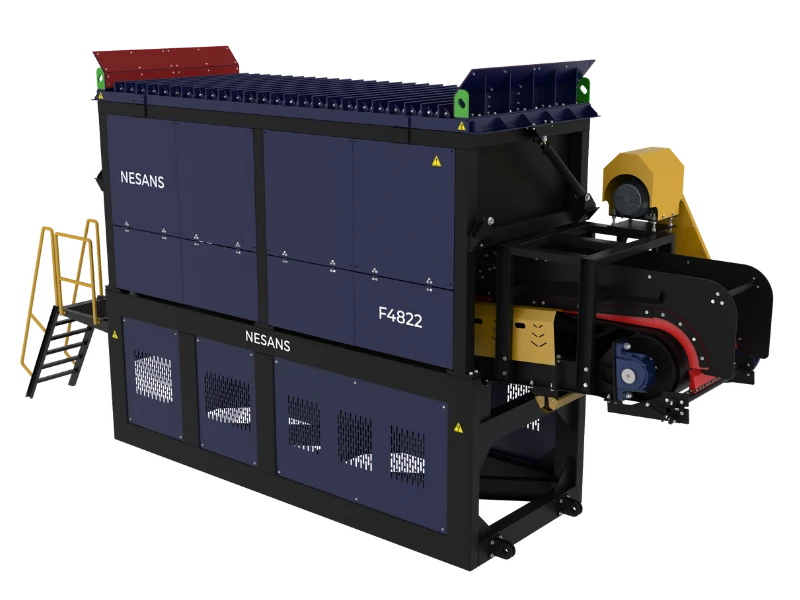
- Type: 2-deck inclined vibrating screen
- Deck Sizes: Top deck 80-100mm (oversize to cone), bottom deck 10-12mm (fines to VSI)
- Screen Area: 100 TPH plant requires 12-15 sq.m screening area (5m × 2.5m screen)
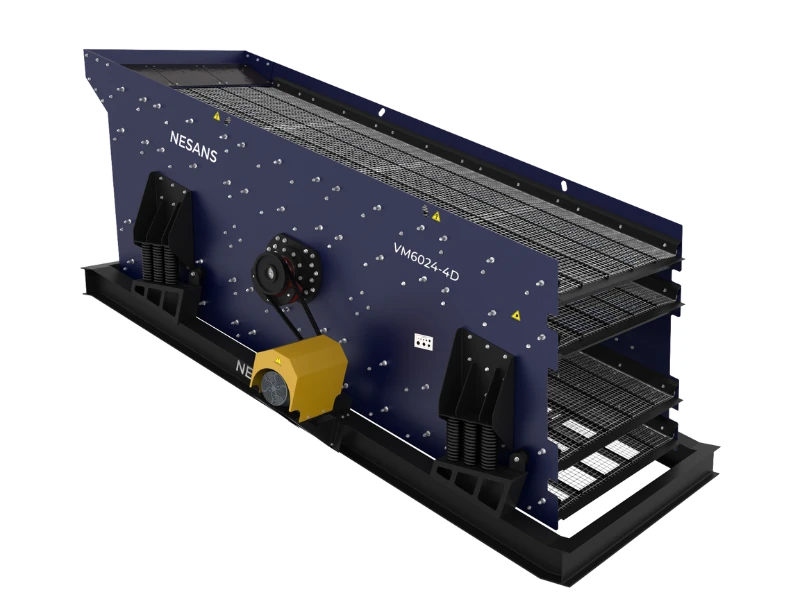
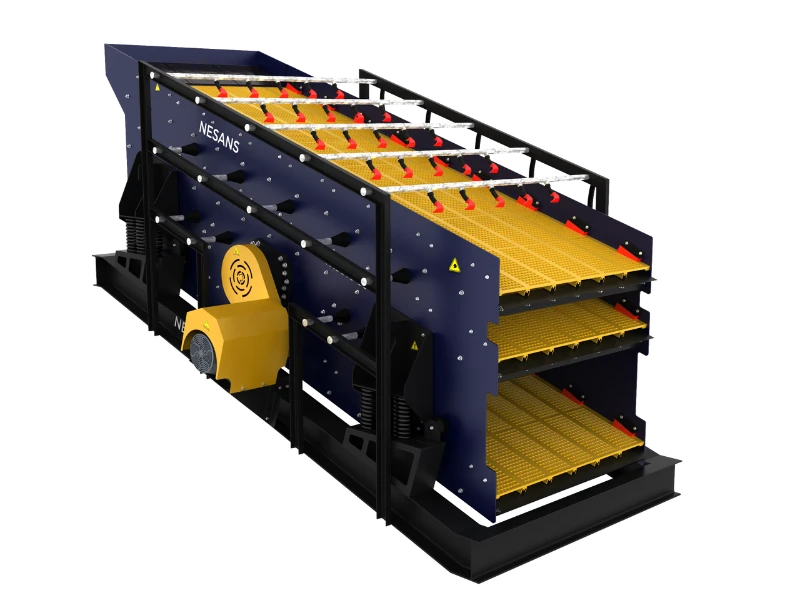
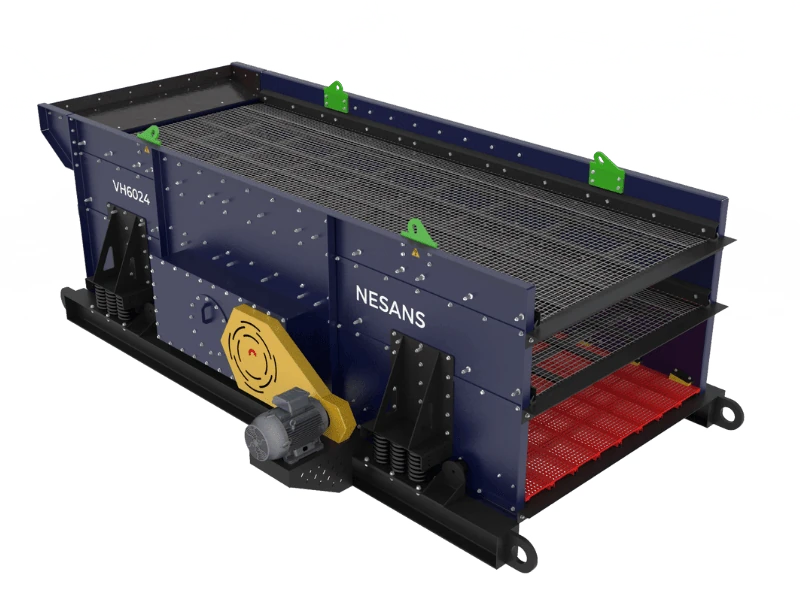
- Cost: ₹5-8 lakhs (100 TPH) | View Vibrating Screen specifications
B. Final M-Sand Screening
- Type: 3-deck vibrating screen (separates 4.75mm, 2.36mm, 0.15mm)
- Output Fractions:
- +4.75mm (oversize—returns to VSI or sold as grit)
- 4.75-0.15mm (M-Sand product, 70-75% of VSI output)
- -0.15mm (crusher dust—sold for brick manufacturing or concrete filler)
- Screen Media: Polyurethane for 4.75mm and 2.36mm decks (3,000-4,000 hour life); woven wire for 0.15mm (blinding-resistant)
- Cost: ₹8-12 lakhs (100 TPH plant requires 15-18 sq.m area)
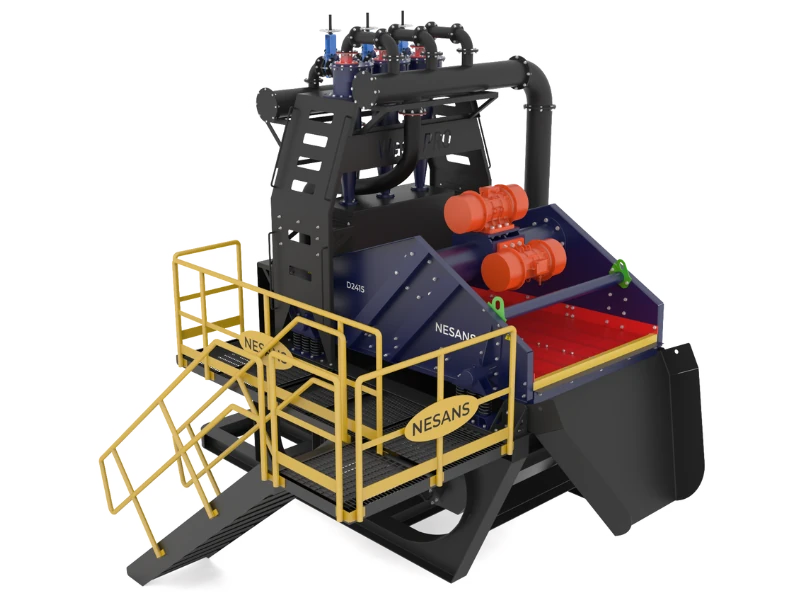
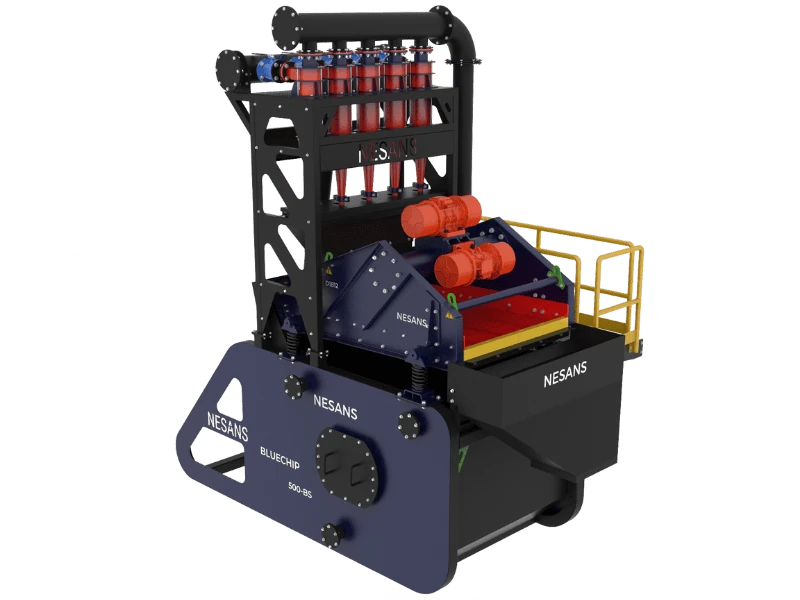
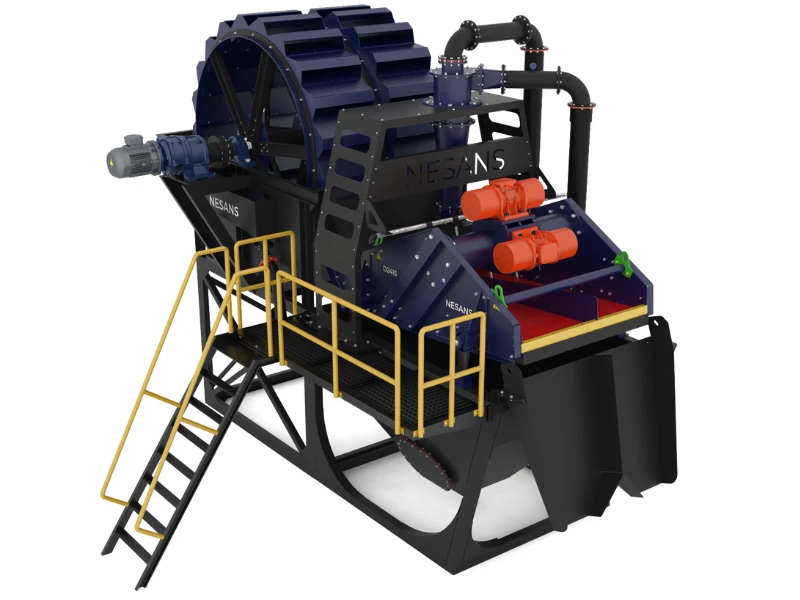
5. Washing System
Purpose: Removes silt and clay (<75 micron) from M-Sand to meet IS 383 requirement of <3% silt content (unwashed M-Sand typically contains 8-12% silt)
System Components:
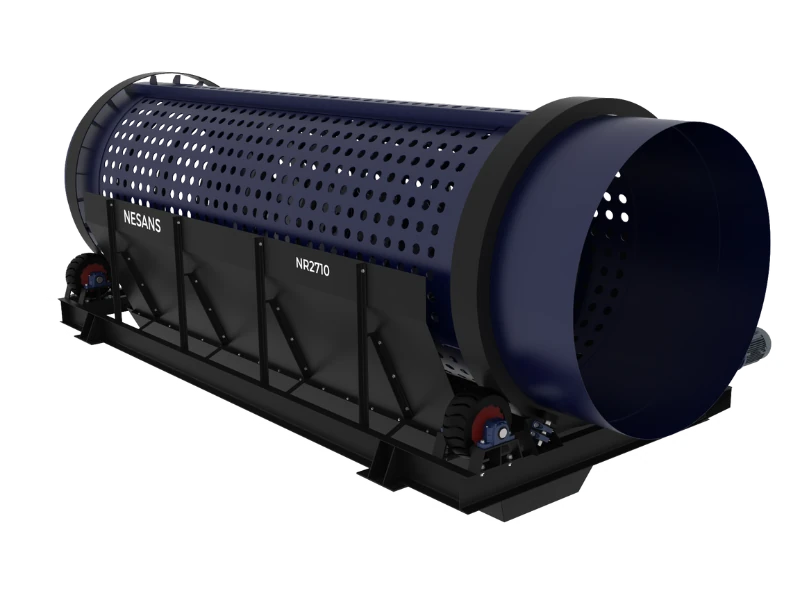
A. Sand Washer
- Type: Bucket wheel or spiral classifier
- Capacity: 60 TPH washer for 100 TPH plant (not all material requires washing—only VSI output)
- Water Consumption: 200-300 liters/ton of washed sand
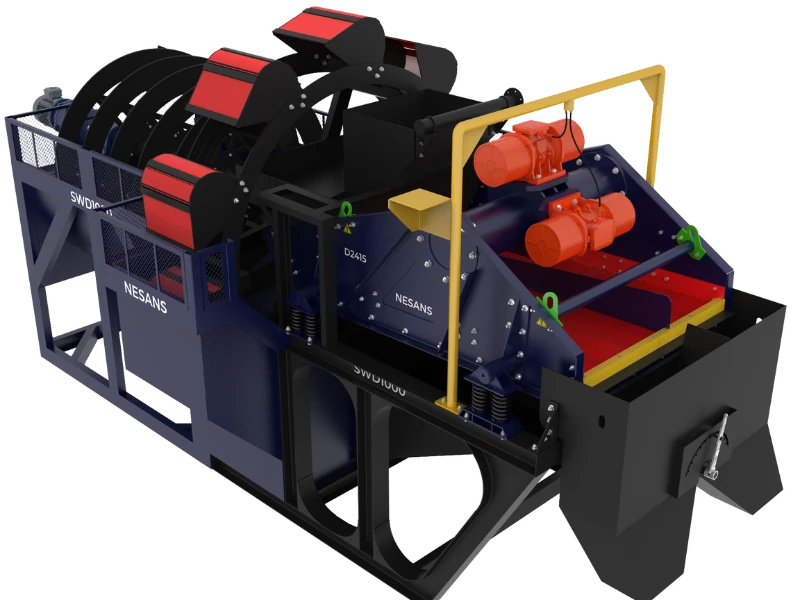
- Cost: ₹8-15 lakhs | View Sand Washing System
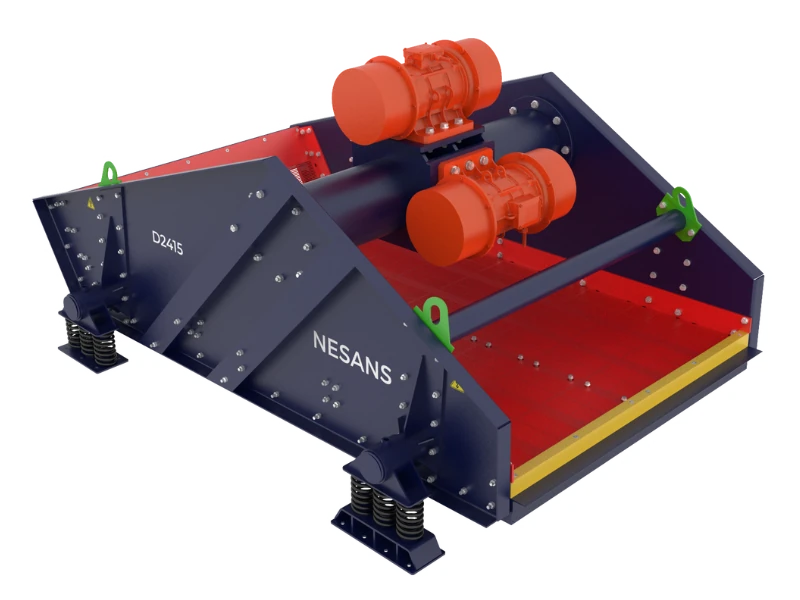
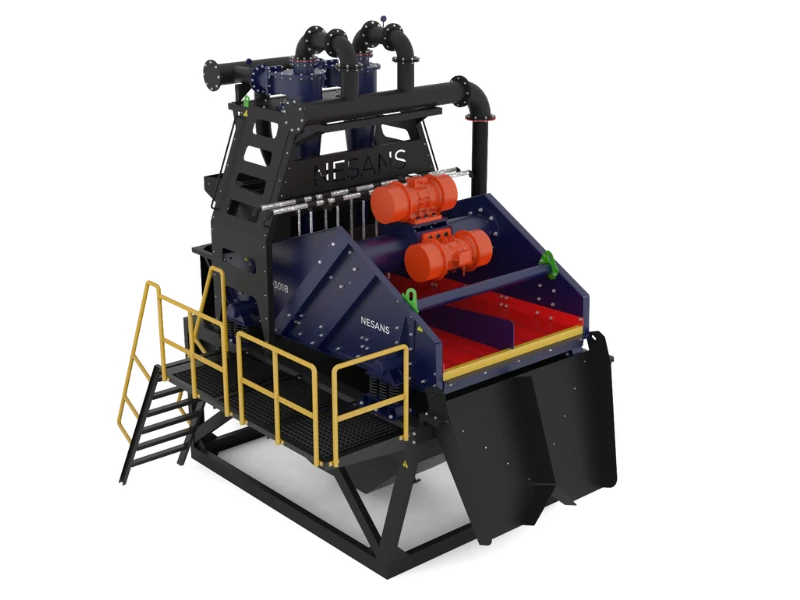
B. Dewatering Screen
- Type: High-frequency vibrating screen (3,000+ RPM) with polyurethane media
- Function: Removes surface moisture from washed sand (reduces moisture from 18-22% to 8-12%)
- Benefit: Drier M-Sand reduces transportation weight and improves stackability in storage bunkers
- Cost: ₹6-10 lakhs | View Dewatering Screen specifications
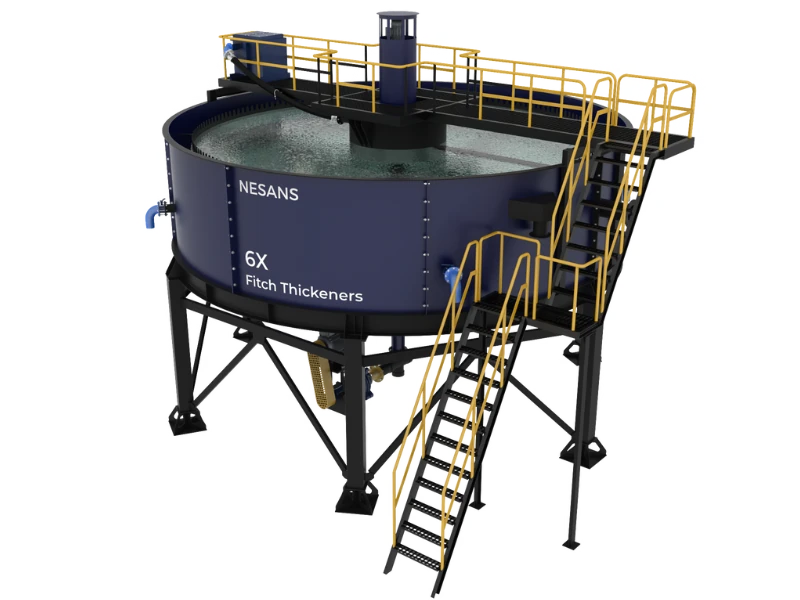
C. Water Recycling System
- Settling Tanks: 3-stage settling (coarse, fine, clarified)—total capacity 200-300 cubic meters for 100 TPH plant
- Clarifier/Thickener: Flocculation tank using polyacrylamide (PAM) to settle ultra-fine clay (improves water clarity from 5,000 ppm to <500 ppm)
- Recirculation Pumps: 50-75 HP pumps (2 units for redundancy)
- Cost: ₹12-20 lakhs (civil works + equipment)
⚠️ Washing System ROI: Washing adds ₹150-200/ton to production cost but increases sale price by ₹300-500/ton (RMC plants pay premium for washed M-Sand). For 100 TPH plant operating 20 days/month, washing system generates ₹24-36 lakhs additional monthly profit—payback in 6-10 months.
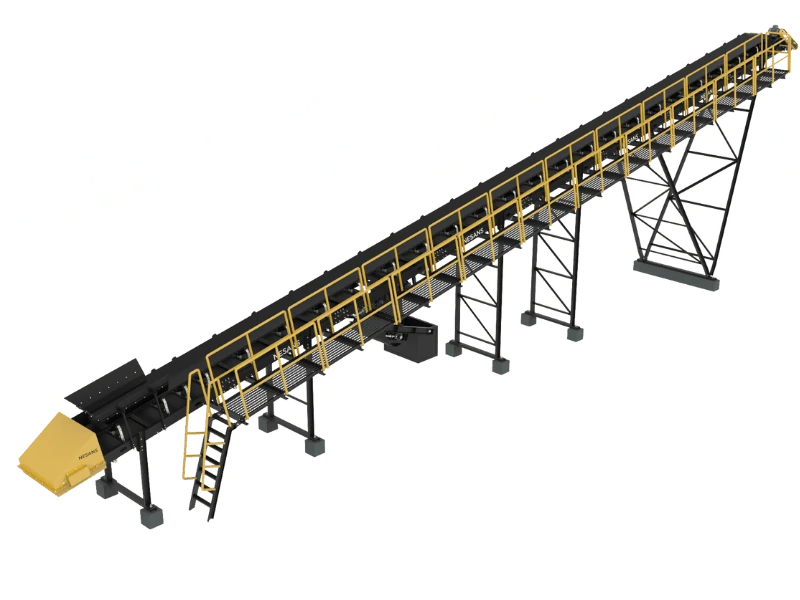
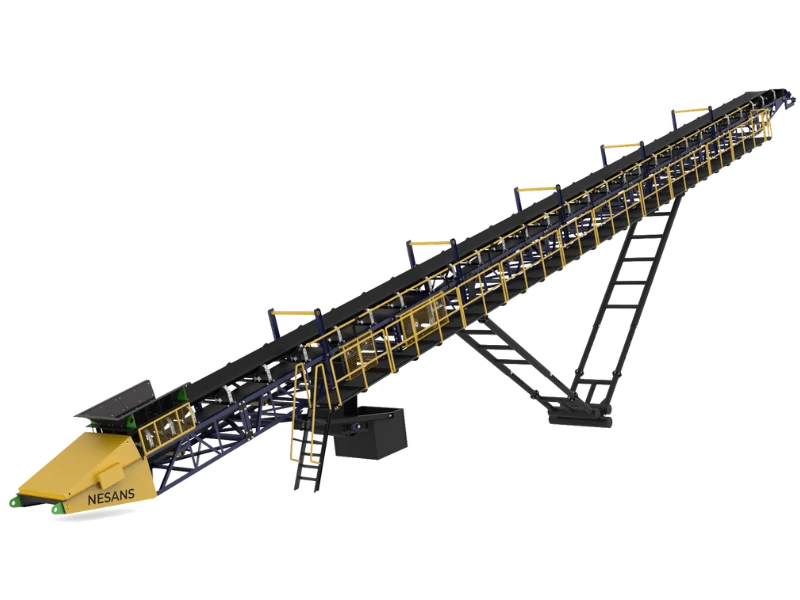
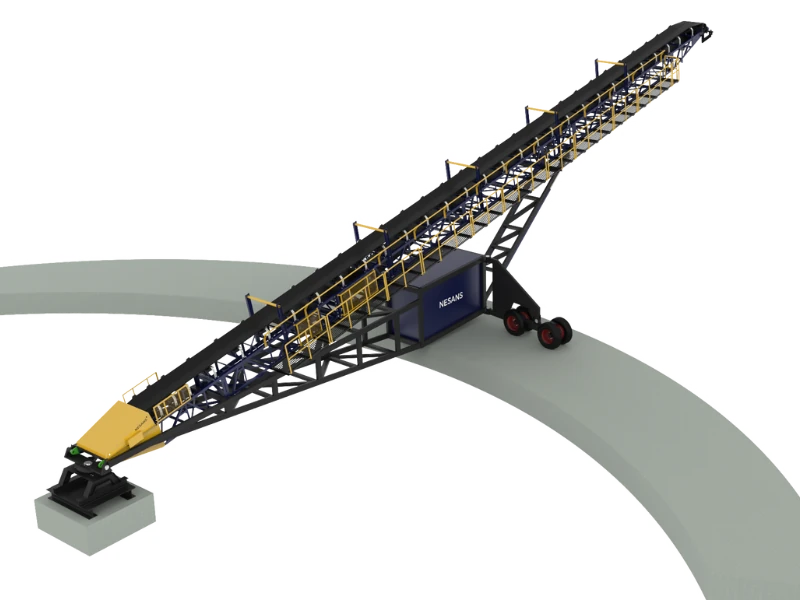
6. Conveyors
Belt Conveyor System:
- Jaw to Cone: 600mm width, 20-25 meters length, 10-15 HP motor
- Cone to VSI: 600mm width, 15-20 meters length, 10-12 HP motor
- VSI to Screen: 500mm width, 12-18 meters length, 7.5-10 HP motor
- Screen to Storage: 500mm width, variable length (25-40 meters), 10-15 HP motor
Conveyor Features:
- 5-ply rubber belting (800-1,000 GSM) with chevron pattern for inclined sections
- Troughing idlers every 1.2 meters (35° troughing angle)
- Belt scrapers at discharge (primary and secondary) to prevent material buildup
- Emergency pull-cord switches every 15 meters
Total Conveyor Cost: ₹12-18 lakhs (100 TPH plant with 80-100 meters total belt length) | View Belt Conveyor systems
7. Storage and Batching
Storage Bunkers:
- Capacity: 1.5-2 days production (100 TPH plant: 3,000-4,000 tons total storage)
- Configuration: Segregated bunkers for each product (20mm, 12mm, M-Sand, crusher dust)
- Structure: RCC bunkers with hopper bottoms (45° slope for gravity discharge)
- Cost: ₹15-25 lakhs (civil works)
Weighbridge:
- Capacity: 60-80 ton (accommodates fully loaded trucks)
- Platform: 18m × 3m (accommodates 10-12 wheeler trucks)
- Software: Computerized with CCTV integration (prevents billing fraud)
- Cost: ₹8-12 lakhs
8. Electrical and Control Systems
- Transformer: 315-500 kVA for 100 TPH plant (cost: ₹4-7 lakhs including installation)
- HT Panel and Metering: ₹2-4 lakhs
- VFD Panels: Variable frequency drives for VSI and conveyors (₹3-5 lakhs)
- Control Panel: PLC-based automation (optional but recommended—enables remote monitoring): ₹4-8 lakhs
- Cabling and Installation: ₹5-8 lakhs
Total Electrical Cost: ₹18-32 lakhs
Plant Layout Design: 100 TPH Example
Material Flow Logic:
- Quarry rock (400-600mm) → Vibrating grizzly feeder → Jaw crusher → Primary screen
- Primary screen oversize (80-120mm) → Cone crusher → Secondary screen
- Secondary screen products: 20mm, 12mm (to storage), 10-30mm (to VSI)
- VSI output → Tertiary screen → Washing system → Dewatering screen → M-Sand storage
- Storage bunkers → Weighbridge → Dispatch
Layout Principles:
- Linear Flow: Minimize material backtracking (reduces conveyor length by 20-30%)
- Gravity Advantage: Position crushers on elevated platforms—use gravity for feeding next stage (saves 15-20% power)
- Dust Control Zones: Enclose transfer points (jaw discharge, screen feed, VSI feed) with sheet metal housing and water sprays
- Maintenance Access: 3-4 meter clearance around each crusher for liner changes (jaw: 6-8 hours; cone: 10-14 hours; VSI: 4-6 hours)
Total Equipment Investment Summary
| Plant Capacity | Equipment Cost | Electrical | Conveyors | Washing | Civil Works | Total CapEx |
|---|---|---|---|---|---|---|
| 30 TPH | ₹40-55 lakhs | ₹8-12 lakhs | ₹6-9 lakhs | ₹12-18 lakhs | ₹15-22 lakhs | ₹81-116 lakhs |
| 60 TPH | ₹70-95 lakhs | ₹12-18 lakhs | ₹10-14 lakhs | ₹18-28 lakhs | ₹20-30 lakhs | ₹1.3-1.85 crores |
| 100 TPH | ₹1.1-1.5 crores | ₹18-32 lakhs | ₹12-18 lakhs | ₹26-45 lakhs | ₹30-45 lakhs | ₹1.96-2.9 crores |
| 150 TPH | ₹1.6-2.1 crores | ₹25-42 lakhs | ₹18-25 lakhs | ₹35-55 lakhs | ₹45-65 lakhs | ₹2.83-3.97 crores |
Note: Costs exclude land, licensing, and contingency. Add 15-20% contingency for installation delays, regulatory requirements, and initial commissioning issues.
