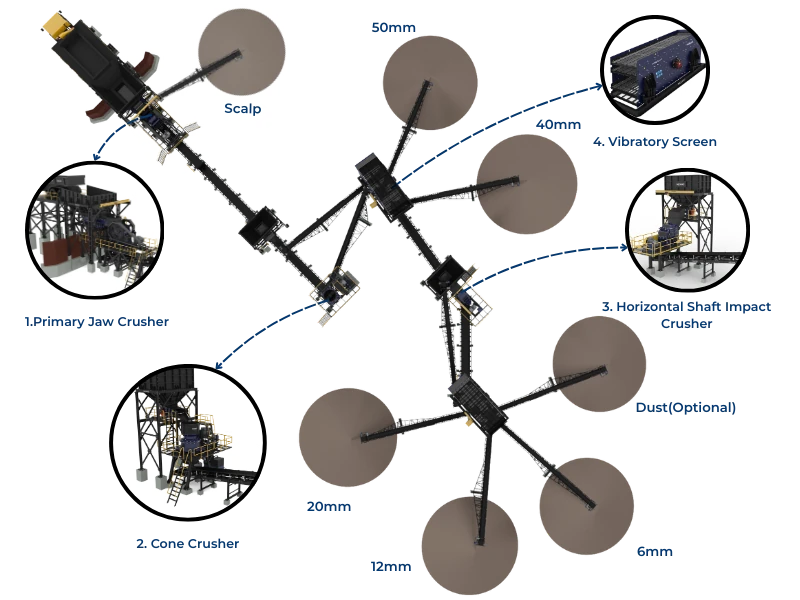
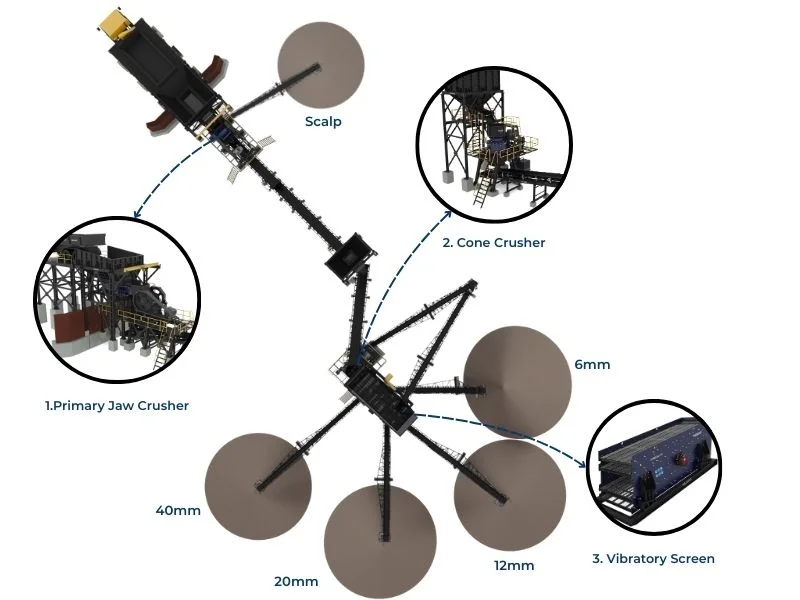
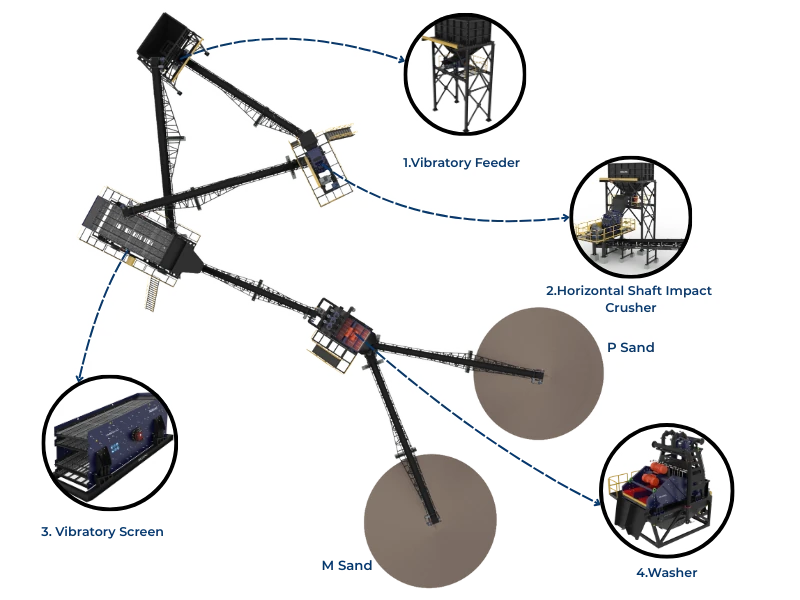
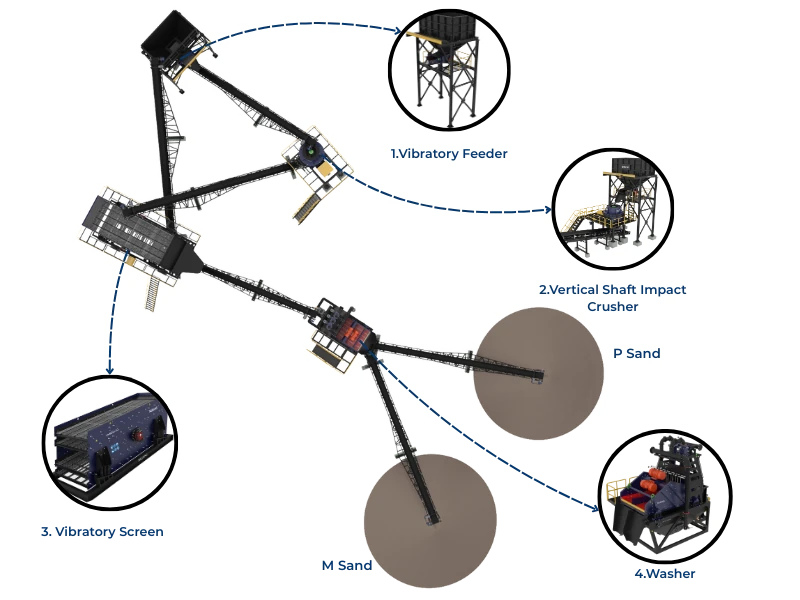
The choice between wet and dry screening fundamentally shapes aggregate plant design, operating costs, and product quality. Wet screening handles moisture and clay contamination that defeats dry processes, while dry screening eliminates water management complexity and enables year-round operation in all climates. This guide provides the technical framework for selecting the optimal screening approach based on material characteristics, product requirements, and site constraints.
Process Comparison Overview
| Factor | Dry Screening | Wet Screening |
|---|
| Water Requirement | None | 1.5-4 m³/tonne processed |
| Clay Handling | Poor (>3% clay problematic) | Excellent (removes clay) |
| Dust Generation | Significant (requires suppression) | Minimal |
| Fines Recovery | Complete | Requires settling/classification |
| Capital Cost | Lower | Higher (water system required) |
| Operating Cost | Lower (no water) | Higher (pumping, treatment) |
| Cold Weather | Year-round operation | Freezing issues below 5°C |
| Product Moisture | Ambient (1-3%) | Higher (8-15% without dewatering) |
When to Use Dry Screening
Ideal Conditions
- Feed moisture <4%
- Clay/silt content <3%
- No river sand or wet pit material
- Dry climate with minimal rainfall
- Water scarcity or high water costs
- Cold climate operations
Dry Screening Optimization
| Challenge | Solution | Implementation |
|---|
| Near-size blinding | Ball deck cleaning | Rubber balls between decks |
| Moisture spikes | Covered stockpiles | Prevent rain absorption |
| Dust control | Fog suppression | Fine mist at discharge points |
| Static buildup | Grounding | Conductive screen media |
When to Use Wet Screening
Ideal Conditions
- Clay content >5%
- Feed moisture >6%
- River sand or wet pit operations
- Concrete-grade aggregate production
- Silica sand processing
- Adequate water supply available
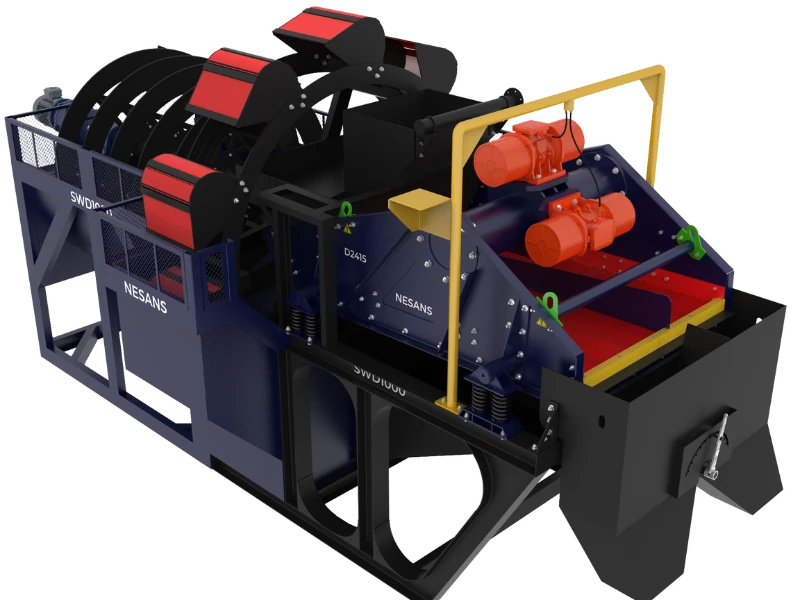
Wet Screening System Components
| Component | Function | Sizing Factor |
|---|
| Spray Bars | Material washing | 50-100 L/min per meter width |
| Collection Sump | Water recovery | 5-10 min retention |
| Slurry Pump | Transfer to classification | 2x screen water flow |
| Hydrocyclone/Classifier | Fines recovery | Match to fines production rate |
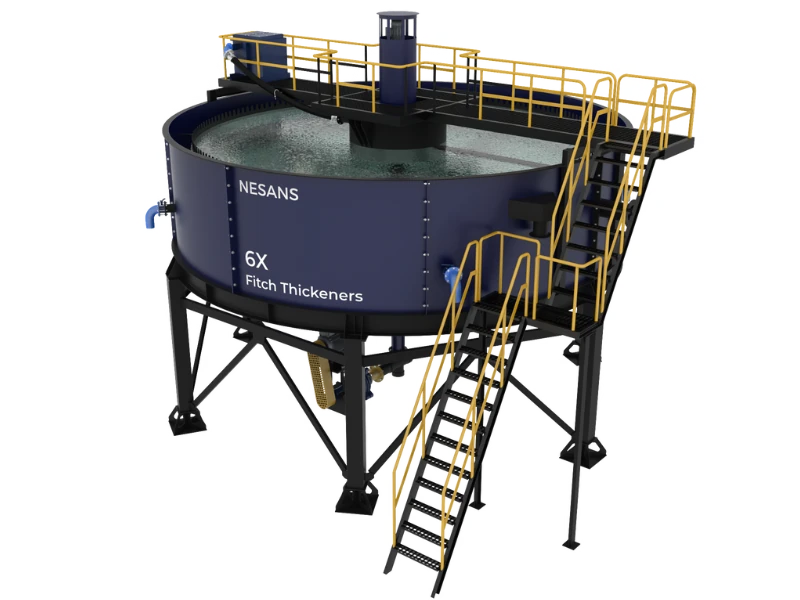
| Thickener | Water clarification | Based on settling rate |
Hybrid Approaches
Dry Primary, Wet Final
- Scalp and crush dry
- Wash final product only
- Reduces water consumption 60-70%
- Suitable for moderate clay content
Seasonal Switching
- Wet screening in monsoon (high moisture feed)
- Dry screening in summer (low moisture feed)
- Requires dual system capability
Water Balance Calculation
Wet Screening Water Requirement:
- Spray water: 1.5-2.5 m³/tonne
- Classification makeup: 0.5-1.0 m³/tonne
- Evaporation loss: 0.2-0.4 m³/tonne
- Product moisture loss: 0.1-0.2 m³/tonne
Total: 2.3-4.1 m³/tonne fresh water

With 80% recirculation:
Fresh water requirement: 0.5-0.8 m³/tonne
Economic Comparison (200 TPH Plant)
| Cost Element | Dry Screening (₹/t) | Wet Screening (₹/t) |
|---|
| Screen media wear | ₹2-3 | ₹3-5 |
| Energy (pumping) | ₹0 | ₹4-8 |
| Water | ₹0 | ₹2-5 (with recirculation) |
| Dust suppression | ₹1-2 | ₹0 |
| Maintenance labor | ₹1-2 | ₹3-5 |
| Total Operating | ₹4-7 | ₹12-23 |
Conclusion
Dry screening is economically superior when material characteristics permit. Wet screening becomes necessary when clay content, moisture levels, or product quality requirements exceed dry process capabilities. Many operations benefit from hybrid approaches that apply wet processing only where needed, minimizing water consumption while achieving required product quality.