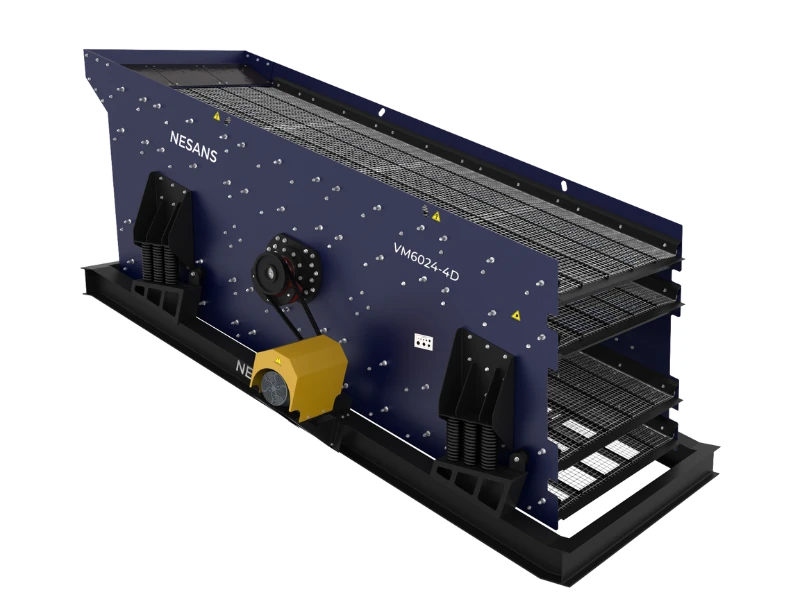
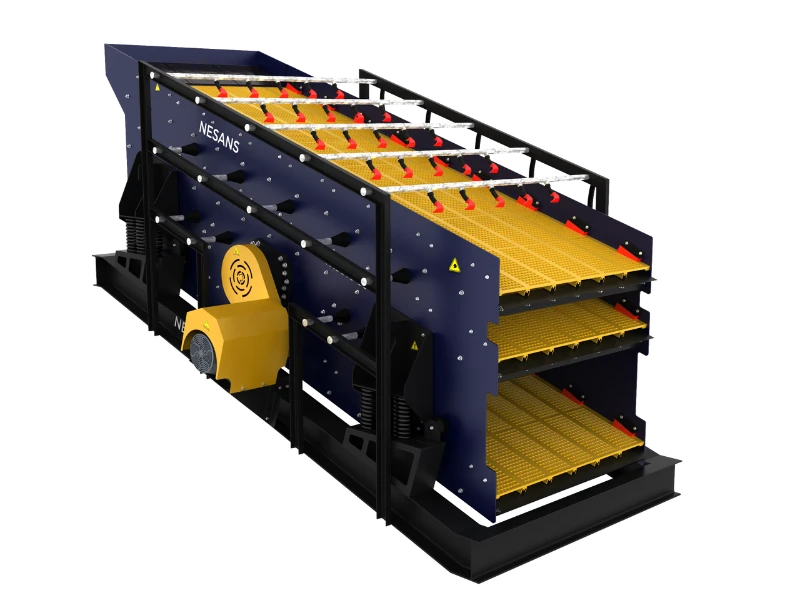
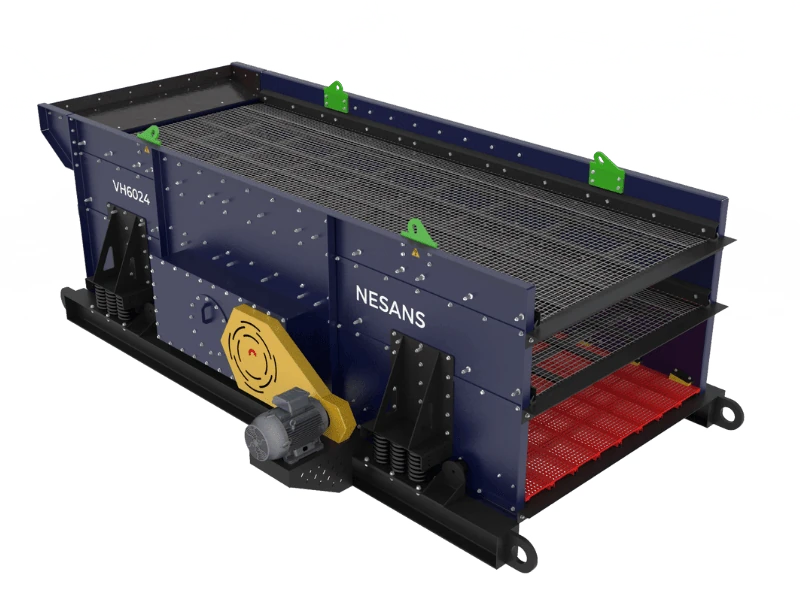
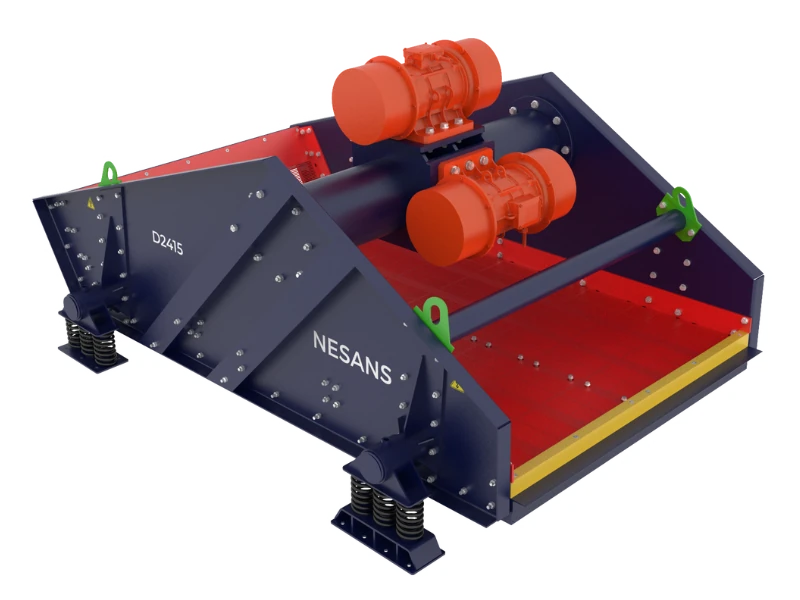
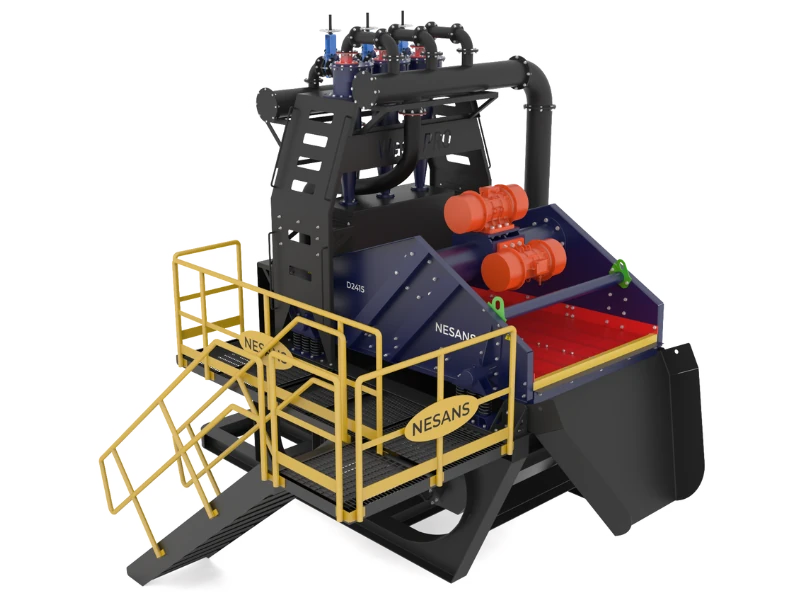
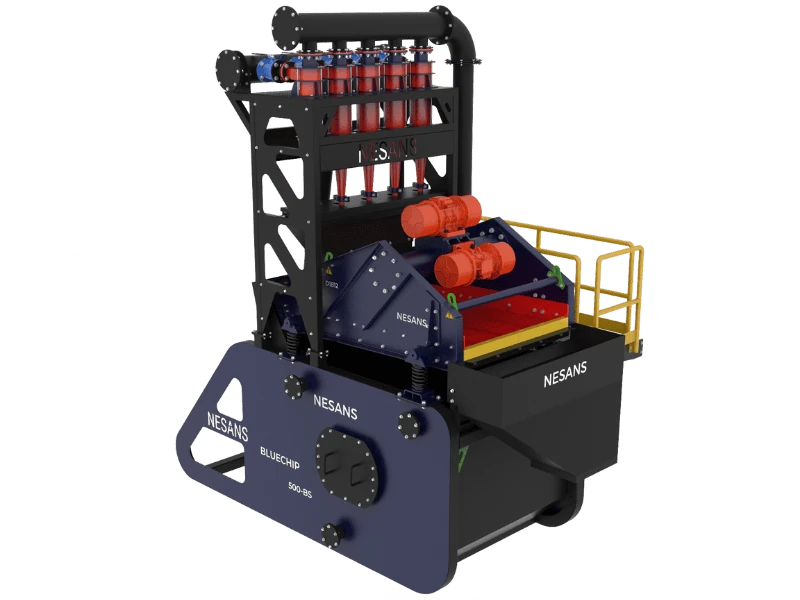
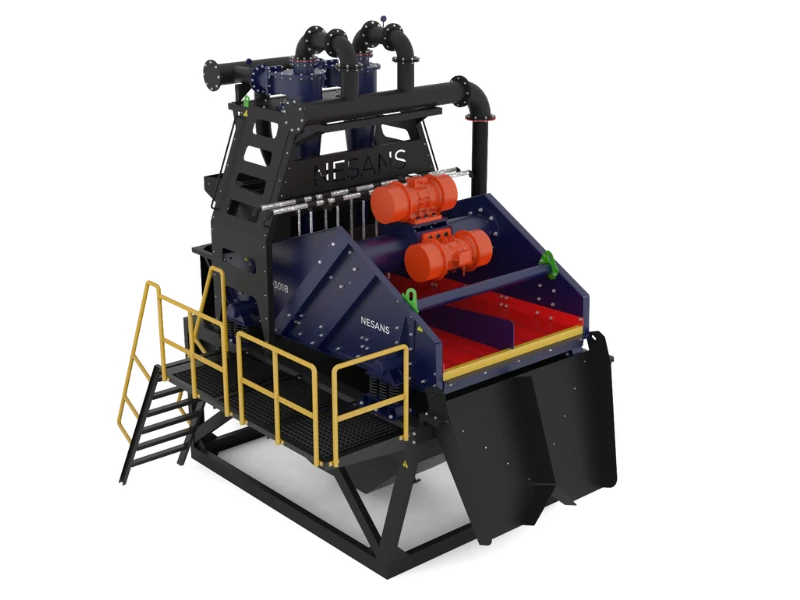
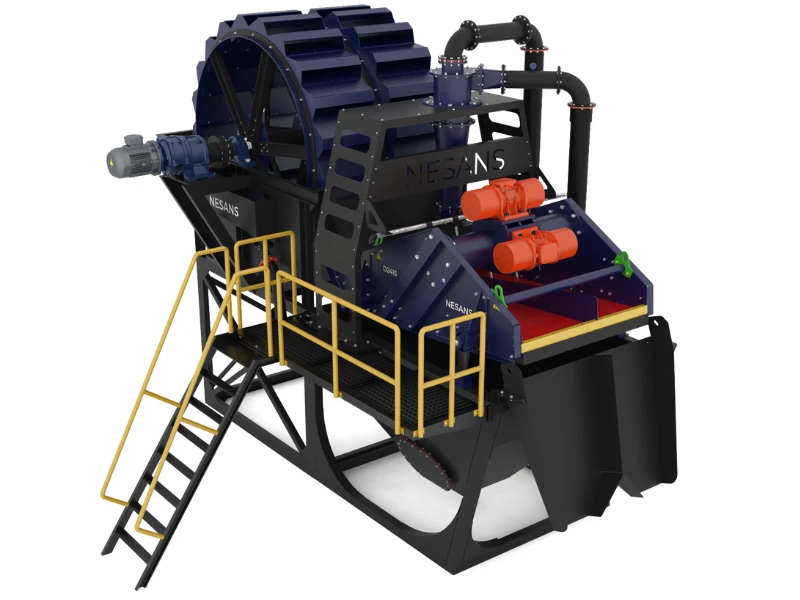
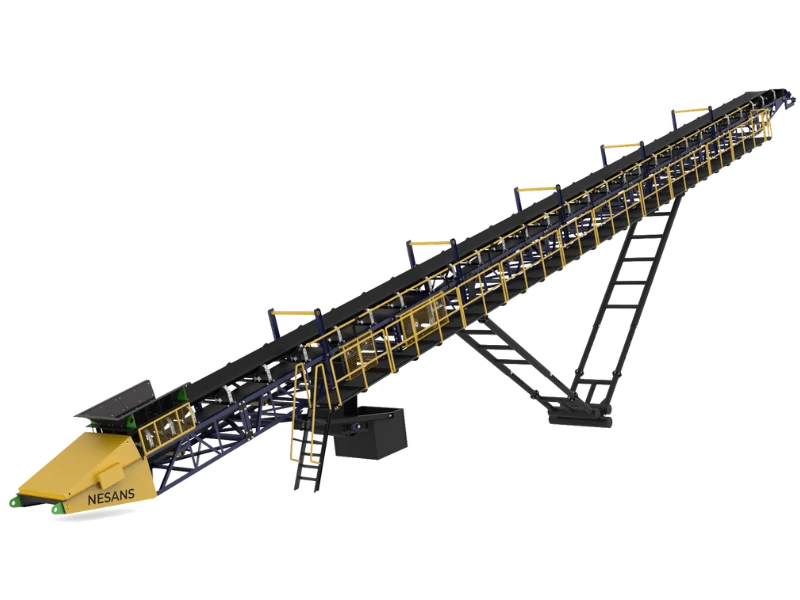
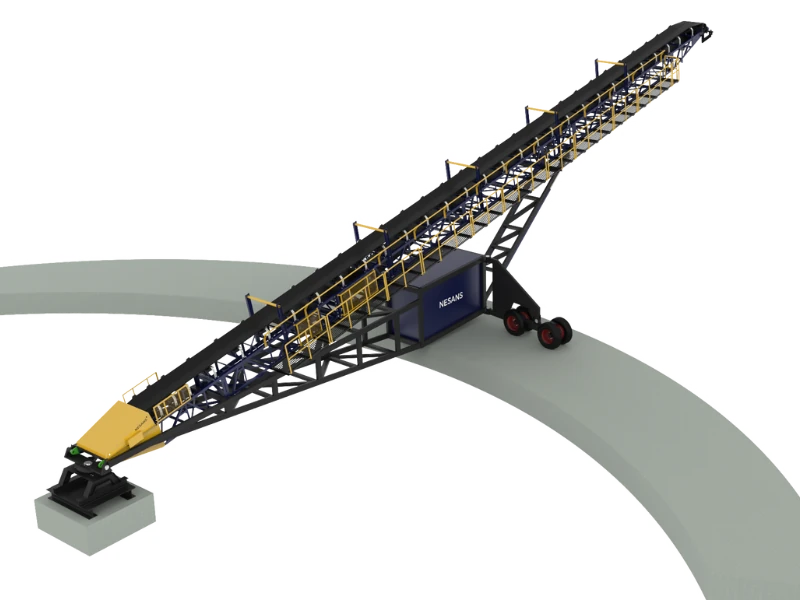
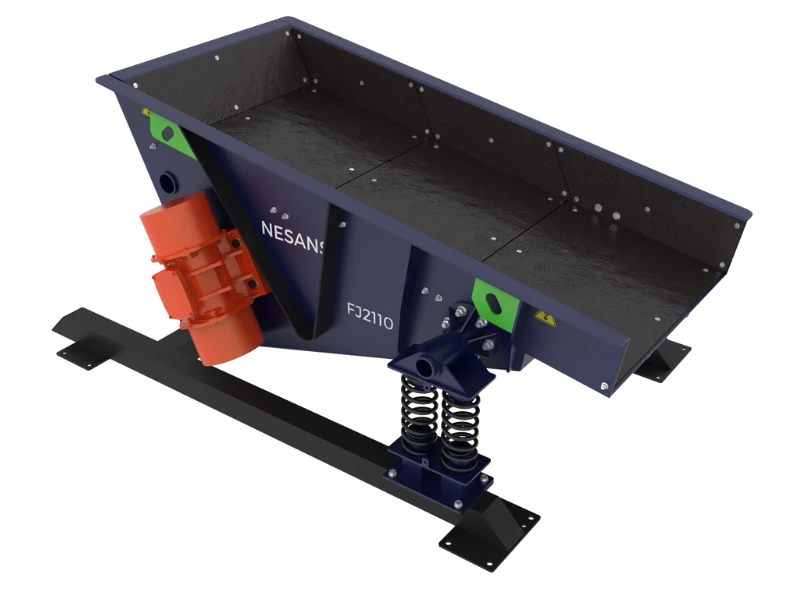
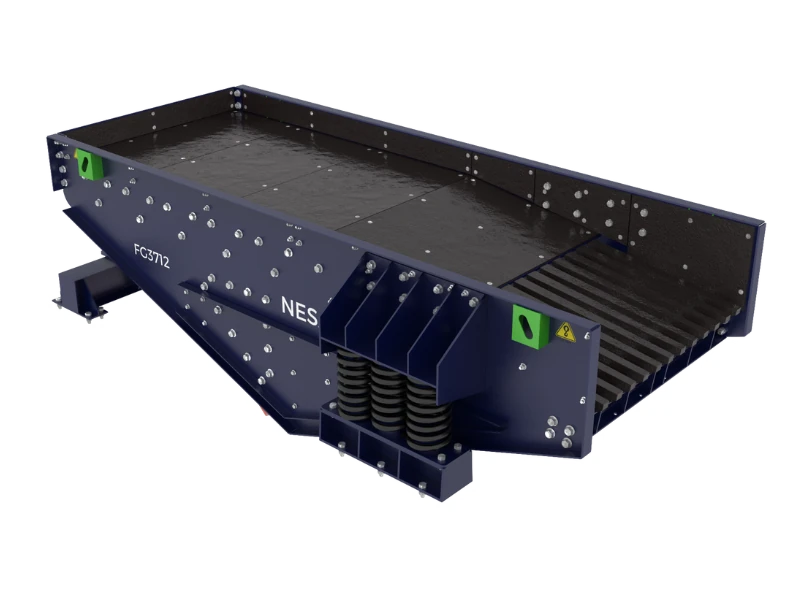
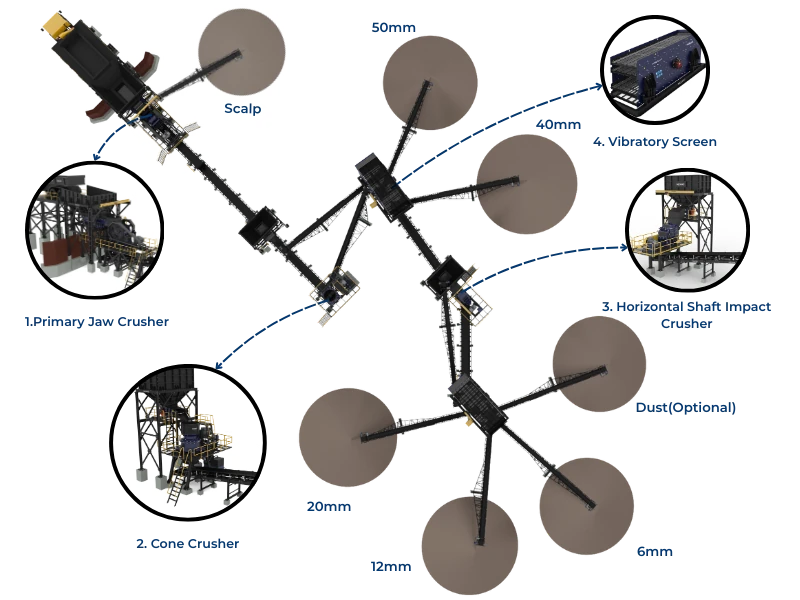
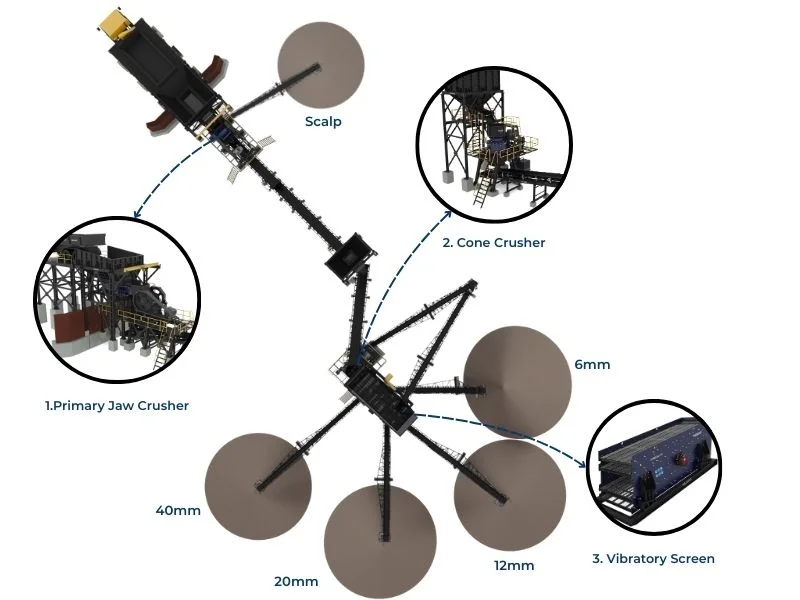
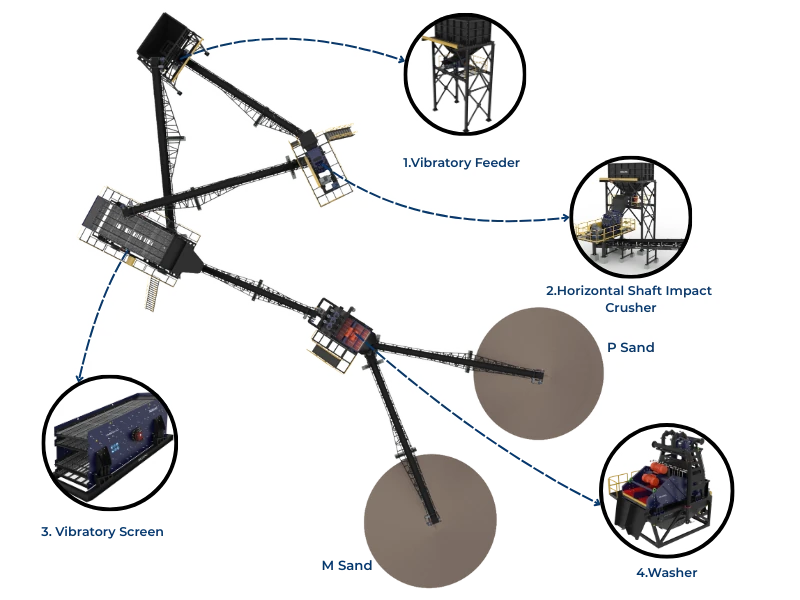
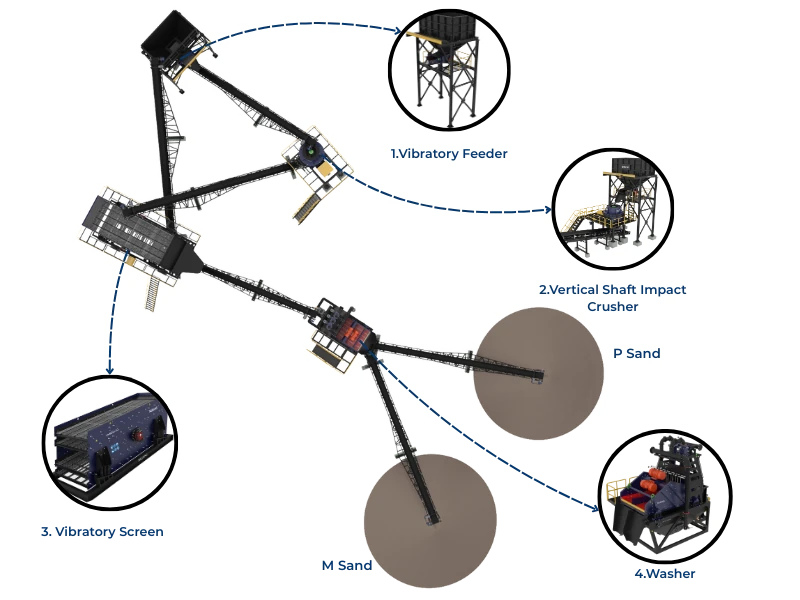
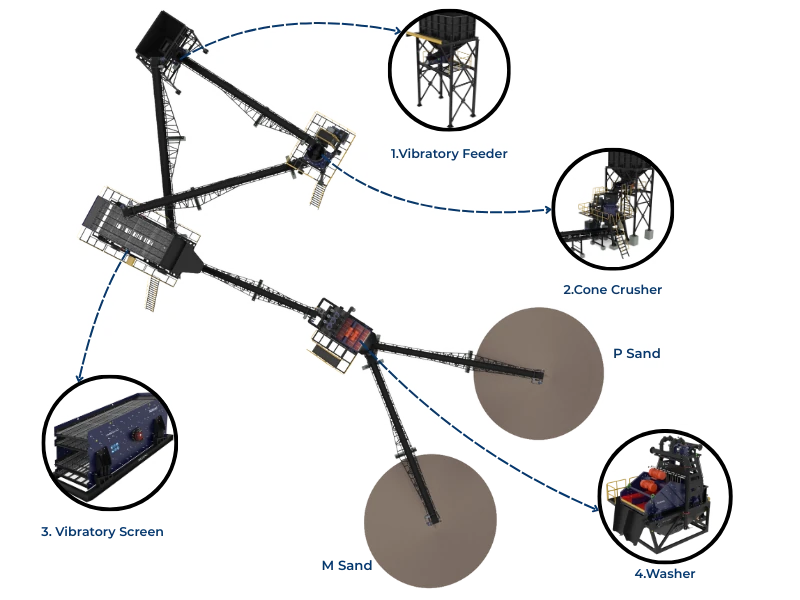
Vibrating feeders are the critical first stage in any crushing circuit, controlling material flow from hoppers and stockpiles to primary crushers. When feeders malfunction, the entire plant suffers—either from starvation causing low throughput, or surging that overloads downstream equipment. Understanding common vibrating feeder problems and their solutions enables operators to maintain consistent, efficient crushing operations.
Understanding Vibrating Feeder Operation
Feeder Types and Operating Principles
| Feeder Type | Drive Mechanism | Typical Application | Capacity Range |
|---|
| Grizzly feeder | Eccentric shaft or vibrating motors | Primary crusher feed with scalping | 200-2000 TPH |
| Pan feeder | Eccentric shaft | General bulk material feeding | 50-500 TPH |
| Electromagnetic feeder | Electromagnetic coil | Precise feed control, fine materials | 1-200 TPH |
| Vibrating tube feeder | Vibrating motors | Enclosed feeding of fine materials | 10-300 TPH |
Key Operating Parameters
Effective troubleshooting requires understanding normal operating parameters:
| Parameter | Typical Range | Impact of Deviation |
|---|
| Vibrating frequency | 850-1200 RPM | Affects material flow velocity |
| Stroke (amplitude) | 4-12mm | Affects conveying rate and grizzly action |
| Deck angle | 0° to -15° | Gravity assist vs material retention |
| Material bed depth | 2-4 × largest particle | Uniform feeding vs surging |
| Motor current | 60-80% of rated | Indicates loading and mechanical condition |
Problem 1: Inconsistent Feed Rate
Symptoms
- Crusher amperage fluctuating significantly
- Variable product gradation
- Alternating high and low throughput periods
- Conveyor belt loading uneven
Causes and Solutions
| Cause | Diagnostic Check | Solution |
|---|
| Hopper bridging | Visual inspection from above | Install bridge-breakers, adjust hopper angle |
| Material segregation in hopper | Observe feed pattern changes | Improve loading method, add flow aids |
| Variable material properties | Check moisture, size variation | Blend material, control moisture |
| Worn feeder deck | Inspect deck surface for holes/wear | Replace worn sections |
| Incorrect vibration settings | Measure stroke and frequency | Adjust to design parameters |
| Spring fatigue | Check spring height and condition | Replace springs in sets |
Hopper Design Factors
Many feeder problems originate in the hopper design:
Minimum hopper outlet dimensions:
Width: ≥ 3× maximum lump size
Length: ≥ 2.5× width

Hopper wall angles for mass flow:
Dry granular material: 60-65° from horizontal
Moist material: 65-70° from horizontal
Cohesive material: 70-75° from horizontal (consider live bottom)
Problem 2: Low Feed Rate
Symptoms
- Crusher running well below capacity
- Feeder appears to be running but material not moving
- Material building up on feeder deck
Causes and Solutions
| Cause | Diagnostic Check | Solution |
|---|
| Insufficient stroke | Measure actual stroke | Adjust weights or replace worn eccentric |
| Low frequency (RPM) | Check motor speed and belt slip | Adjust drive, check electrical supply |
| Deck angle too flat | Measure installed angle | Adjust to recommended angle |
| Material buildup on deck | Visual inspection | Clean deck, improve material flow |
| Sticky material binding | Check material moisture | Install deck heaters, sprays, or liners |
| Overloaded deck | Observe material depth | Reduce hopper gate opening |
Stroke Adjustment Procedures
For eccentric shaft feeders:
- Measure current stroke at multiple points
- Adjust eccentric weights (if adjustable)
- Verify uniform stroke across deck width
- Recheck after 24-hour run-in period
For vibrating motor feeders:
- Check motor weight adjustment setting
- Verify both motors rotating in correct direction
- Adjust centrifugal weights equally on both motors
- Confirm motor synchronization
Problem 3: Excessive Vibration or Noise
Symptoms
- Abnormal noise during operation
- Visible excessive movement of feeder frame
- Foundation bolt loosening
- Nearby equipment affected by transmitted vibration
Causes and Solutions
| Cause | Diagnostic Check | Solution |
|---|
| Broken spring | Visual inspection, height measurement | Replace springs in matched sets |
| Loose structural bolts | Torque check all connections | Re-torque to specification |
| Unbalanced rotating parts | Vibration analysis | Check eccentric weights, replace worn parts |
| Bearing failure | Temperature check, noise analysis | Replace bearings |
| Motor timing incorrect | Check motor counter-rotation | Reverse one motor connection |
| Foundation settlement | Level check, gap inspection | Re-level and re-grout foundation |
Spring System Maintenance
Springs are critical to proper feeder operation:
| Spring Type | Inspection Interval | Replacement Criteria |
|---|
| Coil springs | Weekly visual, monthly measurement | >5% height loss or visible damage |
| Rubber springs | Monthly visual | Cracking, chunking, permanent set |
| Air springs | Daily pressure check | Pressure loss, visible damage |
Problem 4: Grizzly Bars Plugging or Blinding
Symptoms
- Fines not passing through grizzly
- Scalping efficiency reduced
- Crusher receiving excessive fines
- Material building up between bars
Causes and Solutions
| Cause | Diagnostic Check | Solution |
|---|
| Bar spacing too narrow | Measure gap vs material fines size | Increase spacing or use different bar profile |
| Sticky material | Check moisture content | Install bar heaters, vibration intensifiers |
| Insufficient vibration | Measure stroke amplitude | Increase stroke or frequency |
| Flat-topped bars | Inspect bar profile | Replace with tapered or stepped bars |
| Material compaction | Observe flow pattern | Reduce bed depth, increase deck angle |
Grizzly Bar Selection Guide
| Bar Type | Best Application | Advantages |
|---|
| Flat bar | Dry, free-flowing material | Simple, economical |
| Tapered bar | Sticky or moist material | Wedge action prevents plugging |
| Stepped bar | Very sticky material | Multiple release points |
| Finger screen deck | Wet screening applications | Flexible, self-cleaning action |
Problem 5: Premature Wear
Symptoms
- Frequent liner replacement
- Holes developing in deck
- Grizzly bars wearing rapidly
- Increasing maintenance costs
Causes and Solutions
| Cause | Diagnostic Check | Solution |
|---|
| Abrasive material | Material hardness testing | Upgrade to AR plate or ceramic liners |
| High impact loading | Observe loading pattern | Install rock box, reduce drop height |
| Incorrect liner material | Compare wear rate to alternatives | Select appropriate wear material |
| Excessive stroke | Measure and compare to design | Reduce to recommended amplitude |
| Uneven material distribution | Observe wear pattern | Improve feed point distribution |
Liner Material Selection
| Material | Hardness | Best Application | Relative Life |
|---|
| Mild steel | 150 HB | Low abrasion, minimal impact | 1.0× |
| Hardox 400 | 400 HB | General crushing duty | 2.5-3.0× |
| Hardox 500 | 500 HB | High abrasion, moderate impact | 3.5-4.5× |
| Ceramic tile | 1400 HV | Sliding abrasion, low impact | 6-10× |
| Chromium carbide overlay | 60 HRC | Severe sliding abrasion | 5-8× |
Problem 6: Drive System Issues
Eccentric Shaft Drive Problems
| Symptom | Probable Cause | Solution |
|---|
| High motor current | Overloading, bearing friction | Check load, inspect bearings |
| Belt slipping | Incorrect tension, worn belts | Adjust tension, replace belts |
| Bearing overheating | Lubrication failure, overload | Check grease, reduce load |
| Oil leaks | Seal failure | Replace seals, check shaft condition |
| Unusual noise | Bearing damage, loose parts | Inspect thoroughly, replace worn parts |
Vibrating Motor Drive Problems
| Symptom | Probable Cause | Solution |
|---|
| Motors running hot | Overload, poor ventilation | Check amperage, clean motor fins |
| Uneven vibration | Motor weight adjustment different | Match weight settings on both motors |
| Motors not synchronized | One motor running backwards | Correct motor wiring |
| Rapid bearing failure | Operating outside rated parameters | Check stroke, frequency within ratings |
| Cable damage | Insufficient cable loop, abrasion | Provide adequate service loop, protect cables |
Preventive Maintenance Schedule
Daily Checks
- Visual inspection for material buildup
- Listen for abnormal sounds
- Check motor temperature (by touch or IR)
- Verify feed rate consistency
- Inspect for obvious damage or wear
Weekly Maintenance
- Check all structural bolt tightness
- Inspect spring condition
- Measure and record motor amperage
- Grease bearings per schedule
- Clean debris from around feeder
Monthly Maintenance
- Measure stroke amplitude
- Check spring free height
- Inspect drive belts (if equipped)
- Check liner and grizzly bar wear
- Verify electrical connections
Annual Maintenance
- Complete bearing inspection or replacement
- Spring replacement if required
- Drive component inspection
- Frame structural inspection
- Foundation bolt retorquing
Troubleshooting Decision Tree
Start: Feeder not conveying material at expected rate
- Is material reaching the feeder deck?
- No → Check hopper for bridging, low level, gate position
- Yes → Continue to step 2
- Is the feeder vibrating normally?
- No vibration → Check power supply, motor, controls
- Low vibration → Check stroke, springs, drive
- Normal vibration → Continue to step 3
- Is material moving on deck but slowly?
- Yes → Check deck angle, material buildup, moisture
- Material not moving → Check for mechanical binding
- Is grizzly section working properly?
- Plugged → Check spacing, stroke, material moisture
- Clear but fines not passing → Increase vibration
Systematic troubleshooting based on understanding feeder operation principles enables rapid diagnosis and resolution of most vibrating feeder problems. Regular preventive maintenance prevents most issues from developing into production-limiting failures.