Fuel consumption benchmarking transforms diesel costs from an uncontrolled expense into a managed operating parameter. By establishing baseline consumption, tracking performance over time, and comparing against fleet and industry standards, plant managers can identify inefficiencies, justify improvements, and reduce costs by 10-25%. This guide provides the framework for systematic fuel performance monitoring and optimization.
Establishing Fuel Consumption Metrics
Primary Metrics
| Metric | Calculation | Use |
|---|
| Litres per operating hour (L/hr) | Fuel used ÷ engine hours | Equipment efficiency baseline |
| Litres per tonne (L/t) | Fuel used ÷ tonnes processed | Production efficiency |
| Cost per tonne (₹/t) | Fuel cost ÷ tonnes processed | Financial impact |
| Idle percentage (%) | Idle hours ÷ total hours | Operational efficiency |
Industry Benchmarks
| Equipment Type | L/hr Range | L/tonne Range | Best Practice Target |
|---|
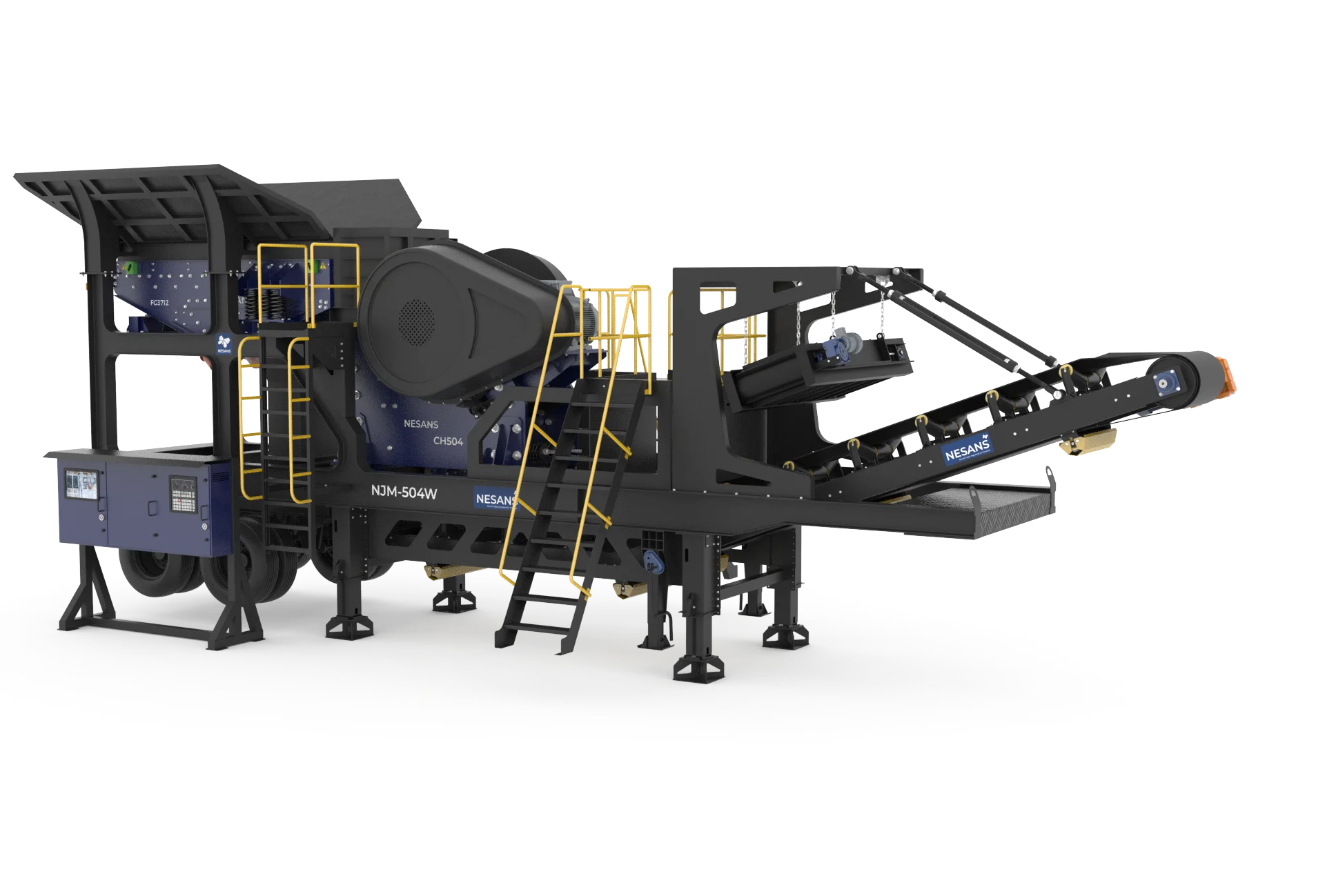
| Mobile Jaw Crusher (medium) | 28-45 | 0.15-0.25 | <0.18 |
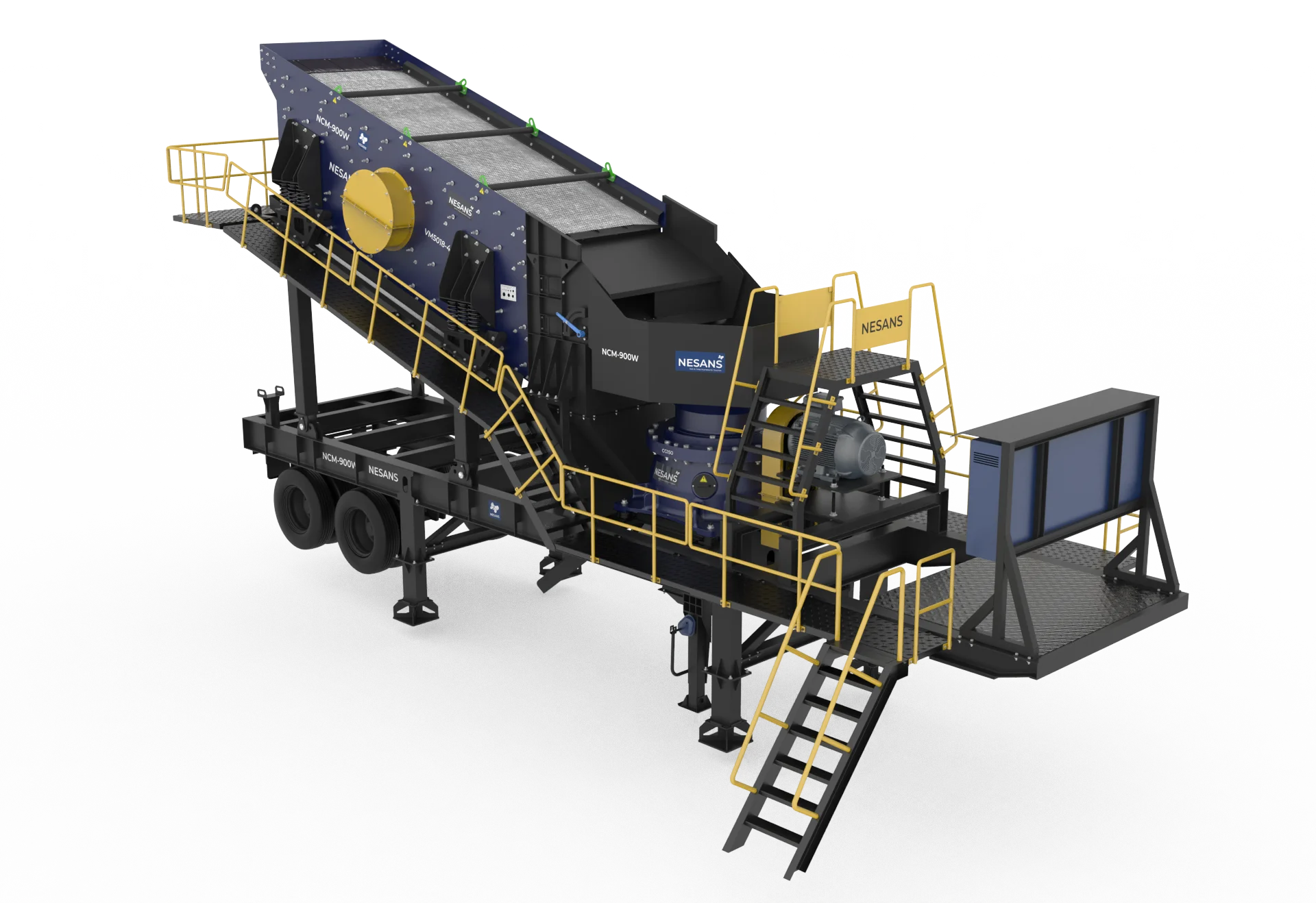
| Mobile Cone Crusher | 35-55 | 0.18-0.28 | <0.22 |
| Mobile Impact Crusher | 40-65 | 0.20-0.32 | <0.25 |
| Mobile Screen | 12-22 | 0.04-0.08 | <0.06 |
| Track-mounted plant (complete) | 80-150 | 0.35-0.55 | <0.45 |
Data Collection Protocol
Manual Tracking
- Record fuel additions (date, time, litres, hour meter)
- Record production (tonnes per shift from weighbridge or belt scale)
- Calculate metrics weekly
- Plot trends monthly
Automated Tracking
- Fuel flow meters at tank or machine
- Telematics systems with fuel level monitoring
- Integration with production data systems
- Automatic reporting and alerting
Data Recording Template
| Date | Start Hours | End Hours | Fuel Added (L) | Tonnes Processed | L/hr | L/tonne |
|---|
| Example | 1000 | 1010 | 350 | 1800 | 35 | 0.19 |
Performance Analysis
Trend Analysis
- Plot L/tonne weekly for 3+ months
- Identify baseline (average of best 50% of weeks)
- Flag weeks exceeding baseline by >15%
- Investigate causes of deviations
Deviation Investigation
| Deviation Pattern | Probable Cause | Investigation |
|---|
| Sudden increase | Maintenance issue, operator change | Check air filter, interview operators |
| Gradual increase | Component wear, parameter drift | Review maintenance records, check settings |
| High L/hr, normal L/t | High production efficiency | Positive—document practices |
| Normal L/hr, high L/t | Low production rate | Investigate feeding, downtime |
| High idle percentage | Operational inefficiency | Review shift coordination |
Fleet Comparison
Comparing Similar Equipment
Variance Analysis:
- Equipment A: 0.18 L/tonne (baseline)
- Equipment B: 0.22 L/tonne
- Difference: 22% higher consumption

Investigation focus:
- Operator practices
- Maintenance condition
- Application differences
- Feed material variation
Actionable Comparisons
| Comparison Finding | Action | Expected Improvement |
|---|
| Best operator 15% below average | Training program from best practices | 5-10% fleet improvement |
| Older equipment 20% higher | Targeted maintenance/overhaul | 10-15% reduction |
| Site A consistently better | Study site practices | Replicate improvements |
Improvement Tracking
Measuring Improvement Impact
- Establish baseline (4+ weeks data)
- Implement improvement
- Measure post-implementation (4+ weeks)
- Calculate difference and validate statistically
- Document and share results
Example ROI Calculation
Improvement: Air filter maintenance program

Baseline: 0.22 L/tonne
After: 0.19 L/tonne
Improvement: 13.6%

Annual production: 500,000 tonnes
Fuel savings: 15,000 litres
Cost savings: ₹13.5 lakhs at ₹90/L

Program cost: ₹50,000
ROI: 27x return on investment
Reporting Framework
Weekly Report
- Total fuel consumed
- Total tonnes processed
- L/tonne for week
- Comparison to baseline
- Notable events affecting consumption
Monthly Report
- Trend chart (L/tonne over 12 weeks)
- Fleet comparison table
- Cost analysis
- Improvement initiatives status
- Recommendations
Conclusion
Fuel benchmarking converts diesel from an uncontrolled cost into a managed parameter. Establish metrics, collect data consistently, analyze trends, and compare across fleet and industry standards. The plants that benchmark fuel consumption systematically identify 10-25% savings opportunities and track improvement initiatives to verified results. What gets measured gets managed—and fuel deserves management attention given its impact on operating costs.