IS 383:2016 Zone II sand represents the gold standard for concrete production in India—the gradation that delivers optimal workability, strength, and durability. Yet many manufactured sand plants struggle to consistently produce Zone II compliant material, instead oscillating between coarser Zone I and finer Zone III sand that commands lower prices and faces market resistance. This guide provides the complete technical framework for achieving consistent Zone II production, from feed material analysis through equipment selection, process optimization, and quality control protocols.
The difference between a plant that consistently produces premium Zone II sand and one that generates off-spec material often lies in understanding the fundamental relationship between crushing parameters, classification efficiency, and gradation control. Zone II compliance isn't accidental—it's engineered through precise control of every process stage.
Understanding IS 383:2016 Zone Classifications
Zone Gradation Requirements
| Sieve Size (mm) | Zone I (Coarse) | Zone II (Medium) | Zone III (Fine) | Zone IV (Very Fine) |
|---|
| 10 | 100 | 100 | 100 | 100 |
| 4.75 | 90-100 | 90-100 | 90-100 | 95-100 |
| 2.36 | 60-95 | 75-100 | 85-100 | 95-100 |
| 1.18 | 30-70 | 55-90 | 75-100 | 90-100 |
| 600 μm | 15-34 | 35-59 | 60-79 | 80-100 |
| 300 μm | 5-20 | 8-30 | 12-40 | 15-50 |
| 150 μm | 0-10 | 0-10 | 0-10 | 0-15 |
Why Zone II Commands Premium Prices
| Property | Zone II Advantage | Market Impact |
|---|
| Workability | Optimal water demand, good flow | Preferred by RMC plants |
| Strength | Balanced particle packing | Consistent cube results |
| Water Demand | 15-18% lower than Zone III | Reduced cement requirement |
| Bleeding | Minimal compared to coarser zones | Better surface finish |
| Price Premium | ₹200-400/tonne over Zone I/III | Higher margins |
Critical Parameters for Zone II Production
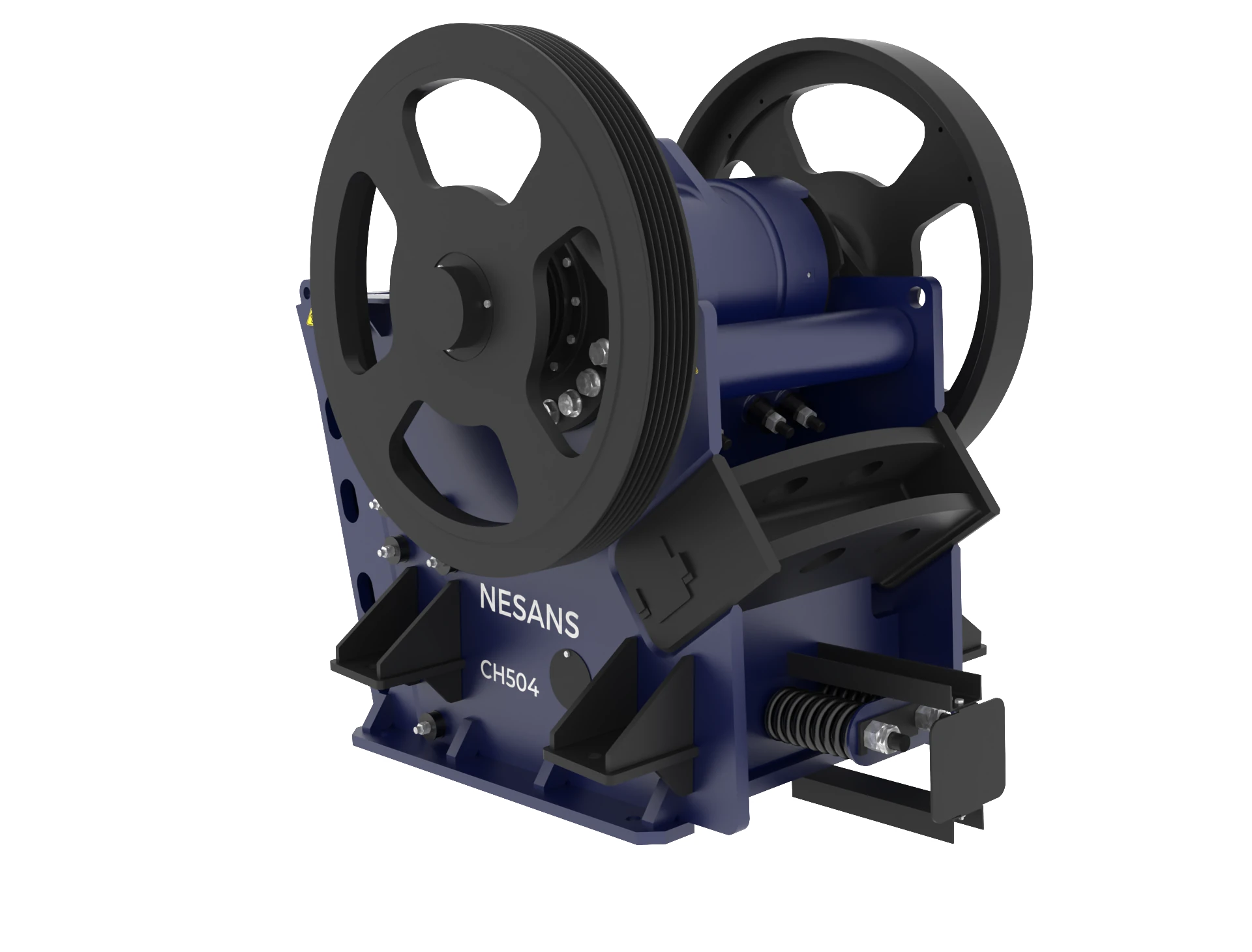
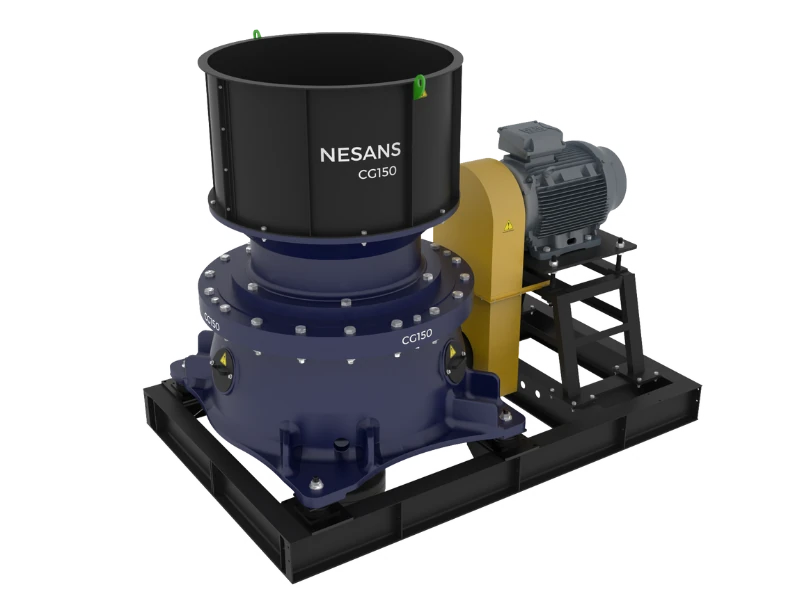
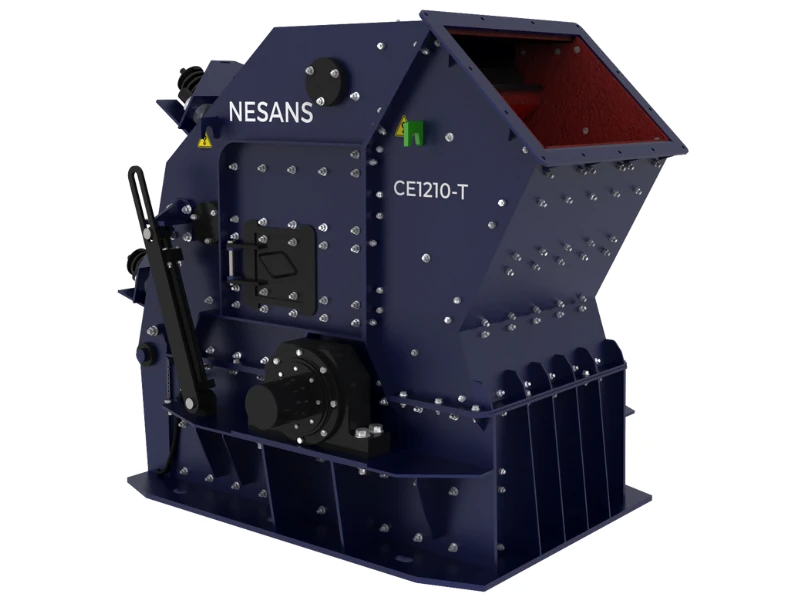
Crusher Selection Impact
| Crusher Type | Typical Product Distribution | Zone II Suitability | Notes |
|---|
| Cone Crusher | Coarse-biased, less fines | Moderate—tends Zone I | Needs VSI finishing |
| HSI (Impact) | Moderate fines generation | Good with proper settings | Higher wear costs |
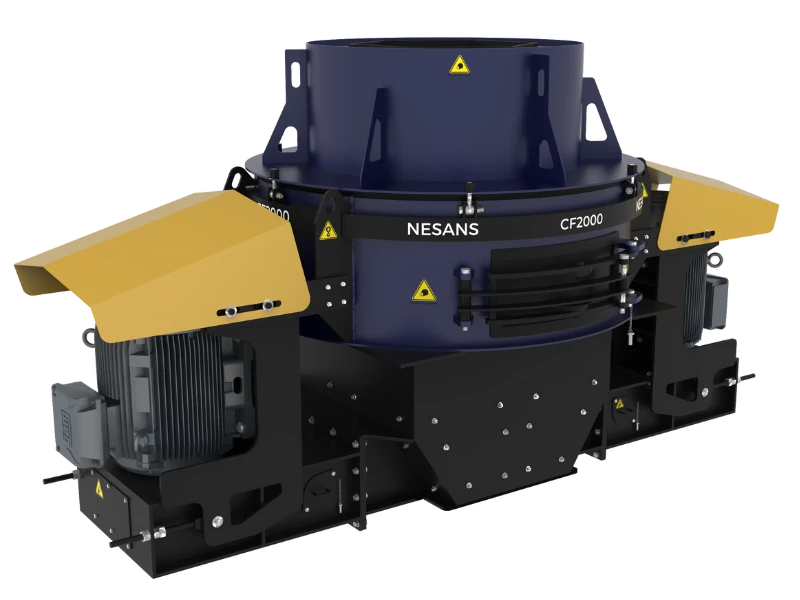
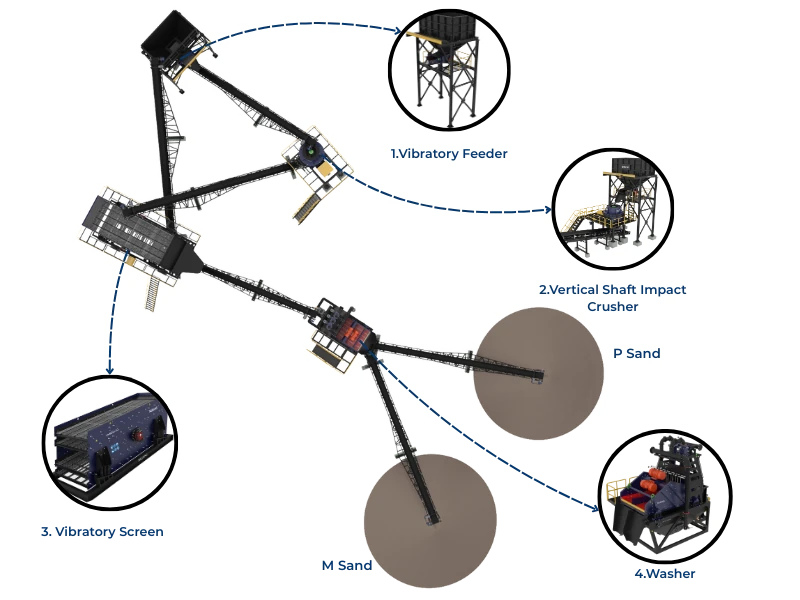
| VSI (Rock-on-Rock) | Excellent fines control | Best for Zone II | Requires proper feed gradation |
| VSI (Rock-on-Anvil) | High fines generation | Tends Zone III/IV | Use for coarse feed correction |
VSI Operating Parameters for Zone II
| Parameter | Zone II Target | Effect of Increase | Effect of Decrease |
|---|
| Rotor Speed (RPM) | 1200-1500 | More fines (toward Zone III) | Coarser (toward Zone I) |
| Feed Rate | 70-85% of rated | Coarser product | Finer product |
| Cascade Ratio | 15-25% | More fines, better shape | Coarser, more wear |
| Feed Size (-10mm) | Optimal at 6-10mm | Coarser with larger feed | Excessive fines with small feed |
Classification System Design
Air Classification vs. Wet Classification
| Method | Cut Point Accuracy | Water Requirement | Fines Recovery | Capital Cost |
|---|
| Air Classifier | ±5% at 150μm | None | Excellent | ₹30-50 lakhs |
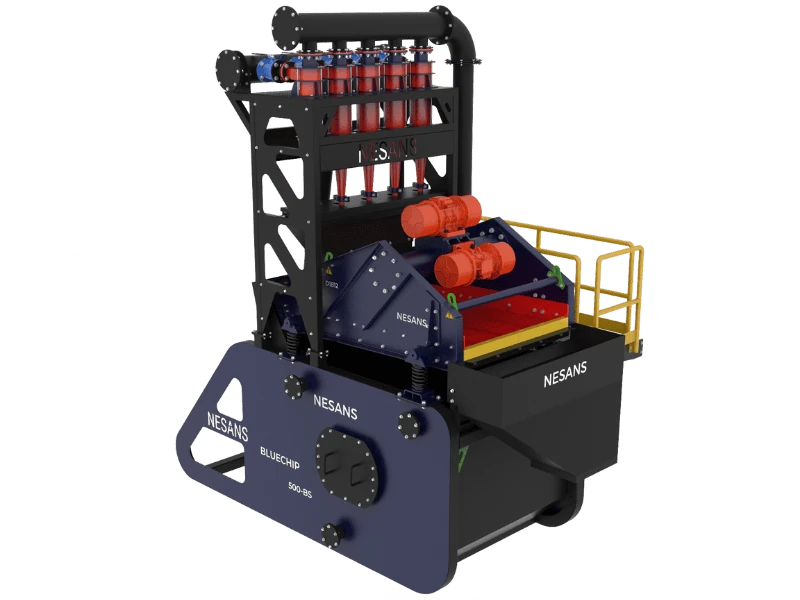
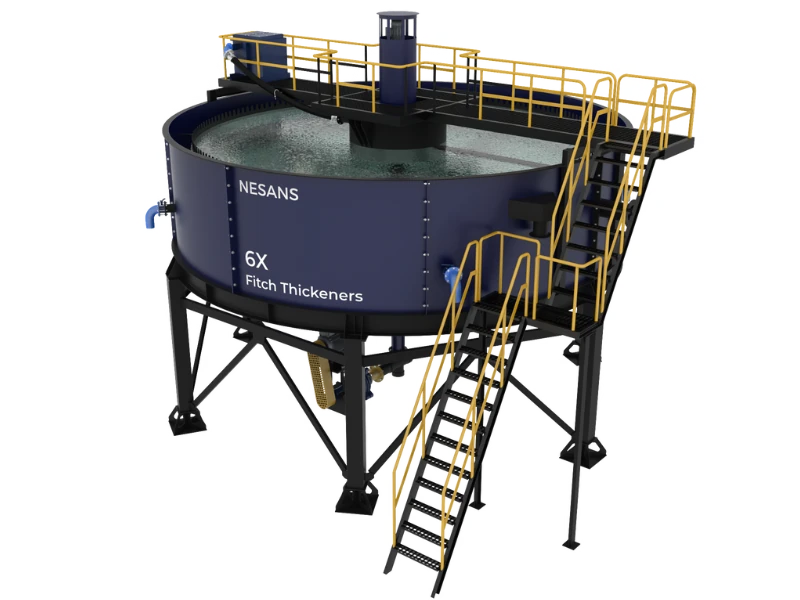
| Hydrocyclone | ±8% at 75μm | 3-5 m³/t | Good with thickener | ₹40-60 lakhs |
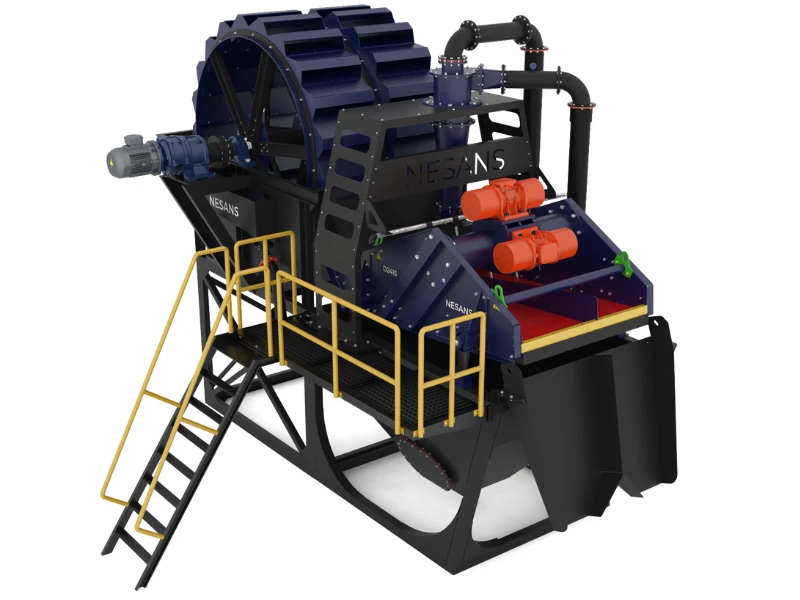
| Spiral Classifier | ±15% at 150μm | 2-4 m³/t | Moderate | ₹20-30 lakhs |
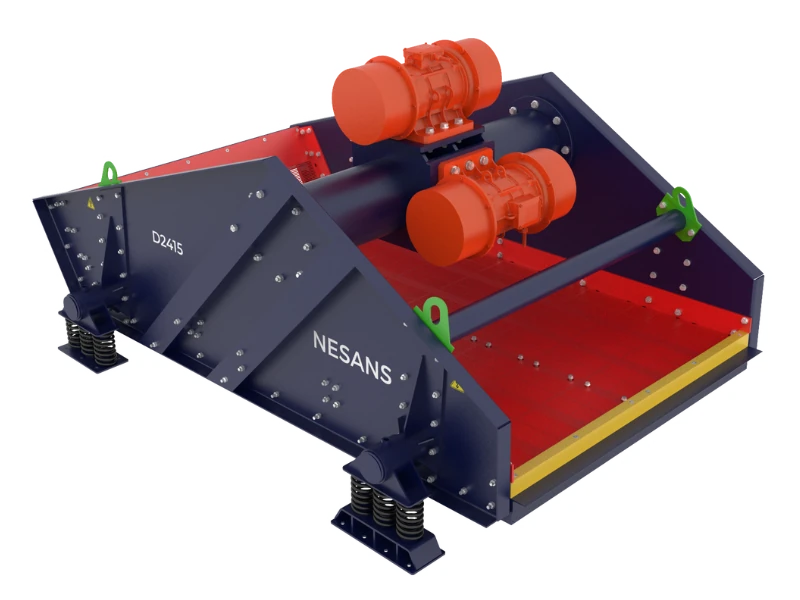
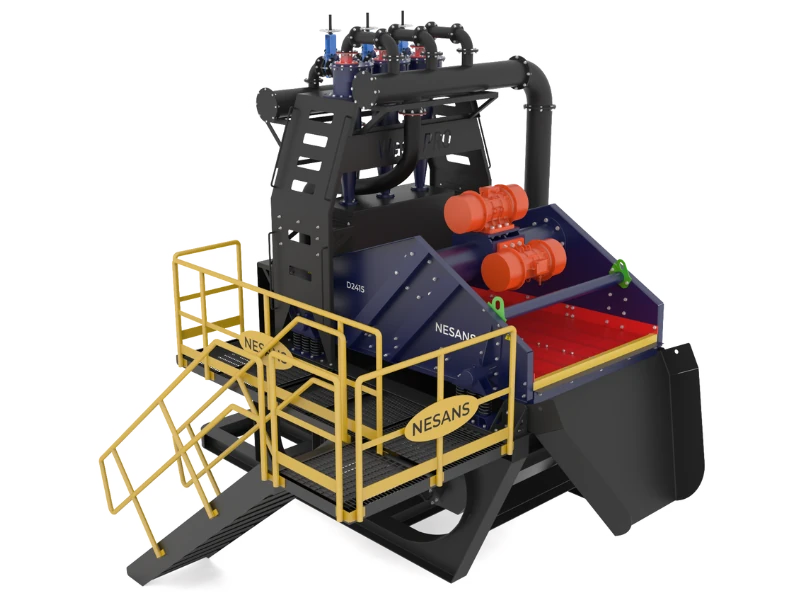
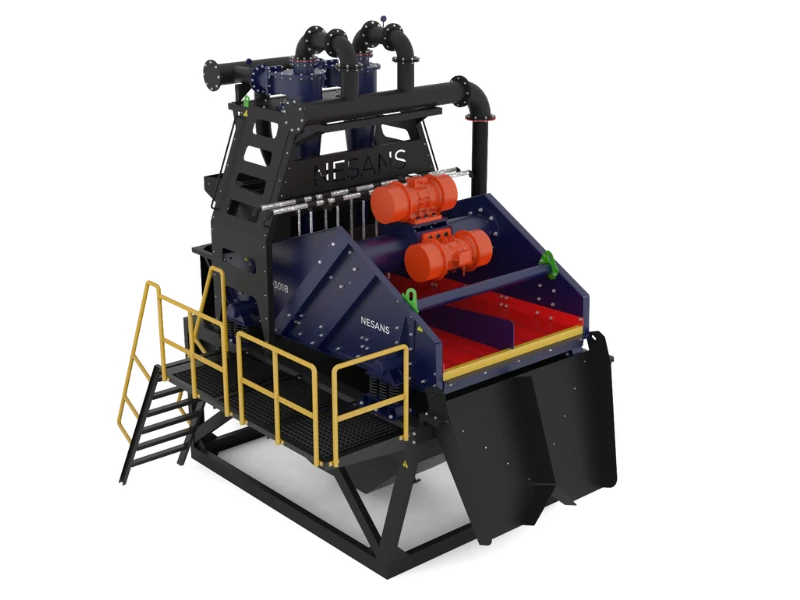
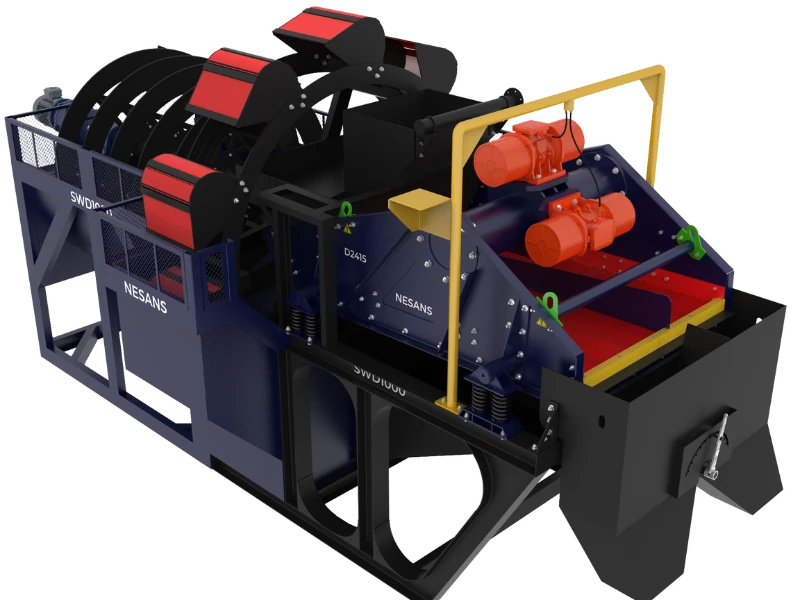
| Dewatering Screen | ±10% at 150μm | 1-2 m³/t | Limited | ₹25-40 lakhs |
Recommended Classification Circuit for Zone II
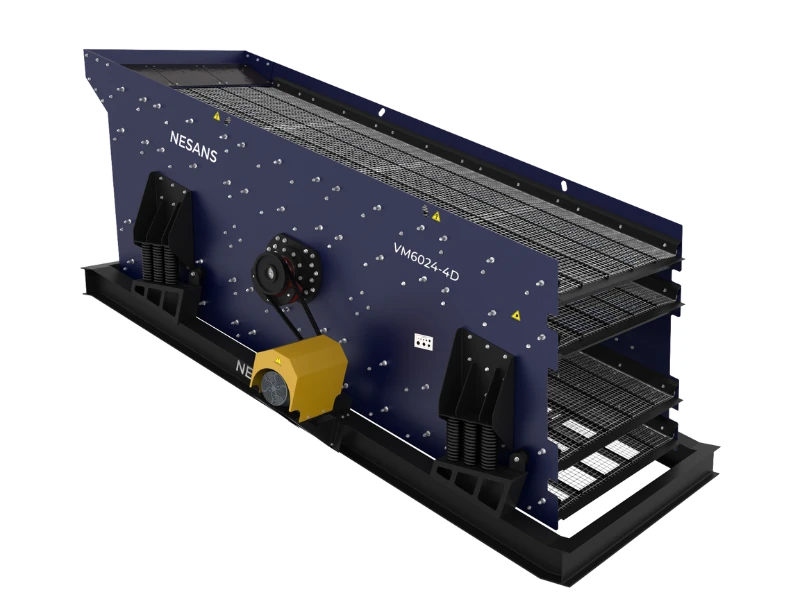
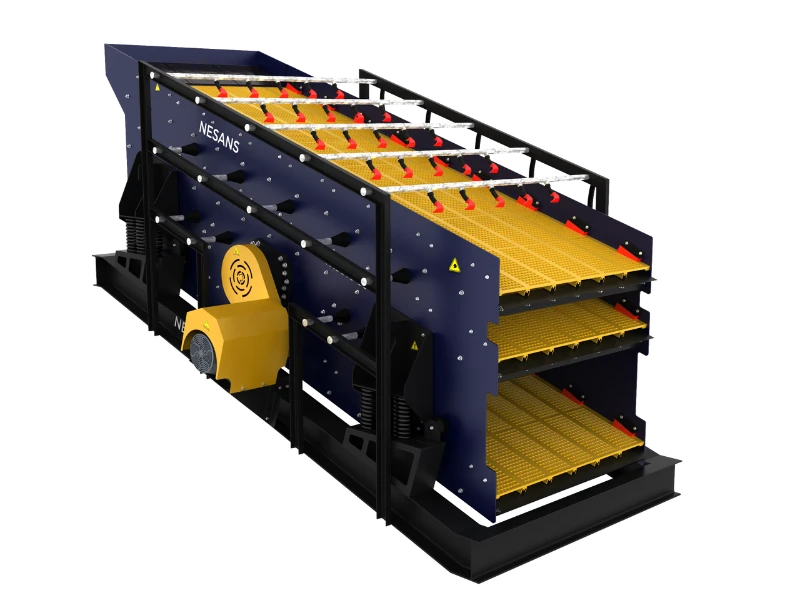
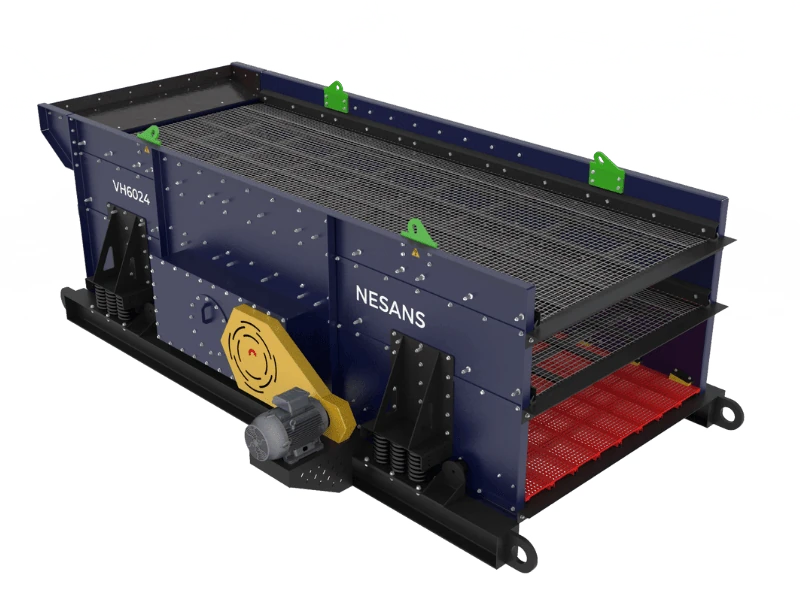
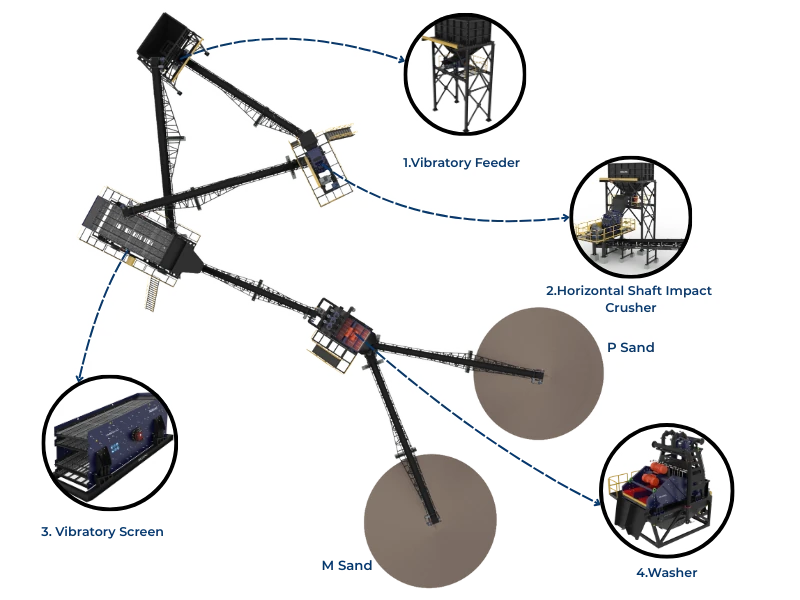
- Primary Classification: Vibrating screen at 4.75mm to remove oversize
- Secondary Classification: Air classifier or hydrocyclone at 150μm
- Fines Return: Controlled blending of 150μm minus material
- Final Screening: Verification screen before stockpile
Process Control for Consistent Gradation
Online Monitoring Parameters
| Parameter | Monitoring Method | Control Action | Response Time |
|---|
| VSI motor load | Ammeter/PLC | Adjust feed rate | Immediate |
| Product moisture | Moisture sensor | Adjust classifier | 5-10 minutes |
| Fines percentage | Online particle analyzer | Adjust rotor speed | 10-15 minutes |
| Fineness Modulus | Lab sieve analysis | Process adjustment | 30-60 minutes |
Fineness Modulus Targets
| Zone | FM Range | Target for Zone II | Acceptable Variation |
|---|
| Zone I | 3.0-3.5 | N/A | N/A |
| Zone II | 2.6-3.0 | 2.7-2.9 | ±0.15 |
| Zone III | 2.1-2.6 | N/A | N/A |
| Zone IV | 1.5-2.1 | N/A | N/A |
Quality Control Protocol
Testing Schedule
| Test | Frequency | Standard | Zone II Limits |
|---|
| Sieve Analysis | Every 2 hours | IS 2386 Part 1 | All sieves within Zone II |
| Fineness Modulus | Every 2 hours | Calculated from sieve | 2.6-3.0 |
| Material Finer than 75μm | Every shift | IS 2386 Part 1 | Maximum 15% (crusite) |
| Organic Impurities | Daily | IS 2386 Part 2 | Lighter than standard |
| Bulk Density | Weekly | IS 2386 Part 3 | 1450-1650 kg/m³ |
Corrective Actions Based on Test Results
| Deviation | Probable Cause | Corrective Action |
|---|
| Too coarse (FM >3.0) | Low VSI speed, high feed rate | Increase speed, reduce feed |
| Too fine (FM <2.6) | High VSI speed, excessive fines return | Reduce speed, adjust classifier |
| Excess 150μm minus | Classifier inefficiency | Check classifier settings |
| Deficient midsize | Feed gradation issue | Adjust upstream crushing |
Equipment Maintenance for Consistent Output
VSI Wear Parts Impact on Gradation
| Component | Worn Condition Effect | Replacement Indicator |
|---|
| Rotor Tips | Coarser product, reduced capacity | >10mm wear from new |
| Anvil Ring | Coarser product, poor shape | Visible groove wear >15mm |
| Feed Tube | Uneven product, vibration | Oval wear >5mm |
| Wear Plates | Chamber buildup issues | Holes or breakthrough |
Conclusion
Consistent Zone II sand production requires integrated control of crushing parameters, classification efficiency, and quality monitoring. Plants that master these elements command premium prices and preferred supplier status with RMC plants. The investment in proper equipment and process control returns through higher product value and reduced rejection rates. Zone II compliance isn't a target—it's an ongoing process of measurement, control, and continuous improvement.