
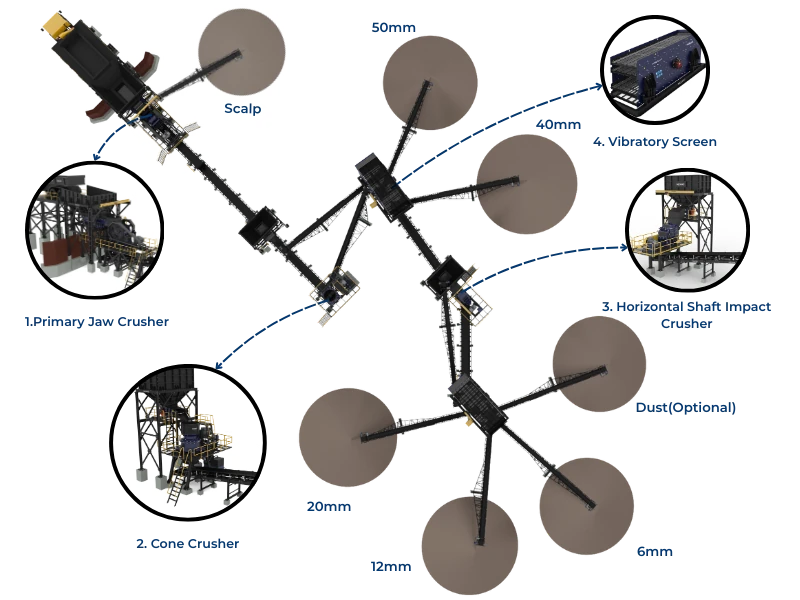
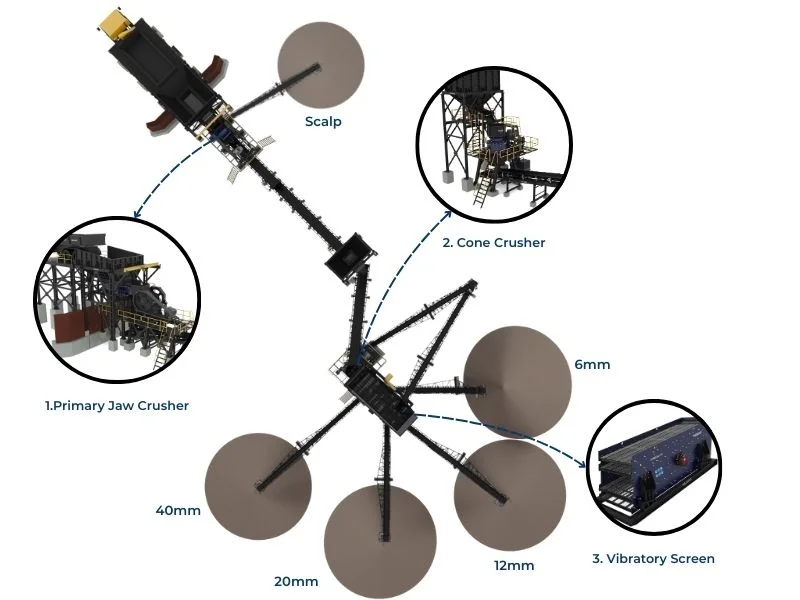





Your aggregate plant produces specification product in open-circuit configuration: jaw crusher feeds cone crusher, cone discharge goes to screens, oversize returns to cone, final product to stockpiles. Yet your competitor achieves 20% higher throughput with identical equipment by adding a simple circuit modification—a scalping screen before the cone crusher that removes already-sized material from the recirculation loop. This closed-circuit design reduces cone crusher load by 35-45%, cuts energy consumption ₹4-6/ton, extends liner life 40-60%, and improves product cubicity from 22% to 38%. The choice between open and closed circuits isn't philosophical—it's an engineering decision with measurable ₹8-15/ton cost impact and 15-30% capacity differential.
Crushing circuit design determines how material flows through primary, secondary, and tertiary reduction stages. Open-circuit systems process material once through each crusher with no recirculation—simple, low capital cost, but accepting whatever product gradation results. Closed-circuit systems screen crusher discharge, returning oversize for additional crushing while removing on-specification material from the process stream—more complex, higher capital investment, but delivering controlled product size, higher equipment efficiency, and lower operating costs per ton.
This guide provides comprehensive technical and economic comparison of open-circuit versus closed-circuit crushing for 200 TPH aggregate plants, examining circuit configurations, equipment specifications, energy consumption, product quality, capital requirements, and operating costs to guide optimal system selection based on application requirements and financial objectives.
Circuit Configuration Fundamentals
Open-Circuit Design
Open-circuit crushing processes material through each reduction stage once without classification or recirculation:
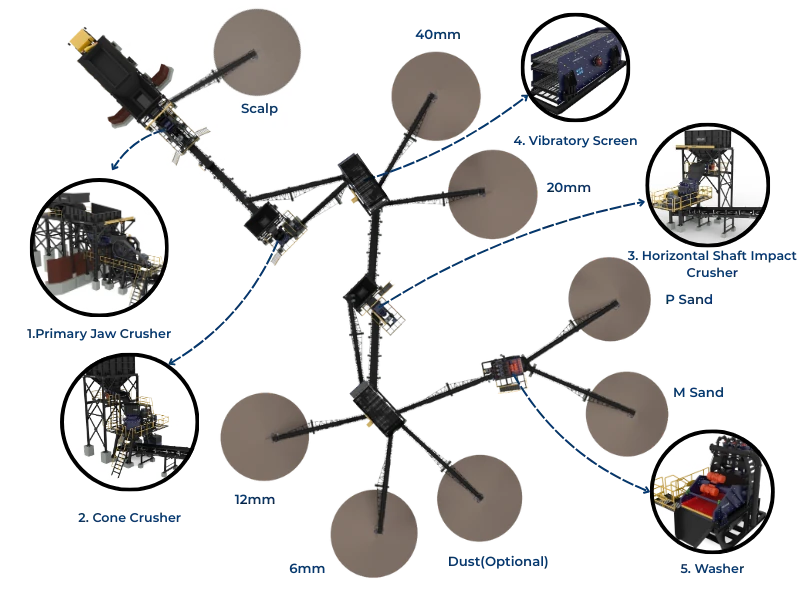
Typical 200 TPH Open-Circuit Configuration:
- Primary jaw crusher (CSS 100-125mm) processes quarry run material
- Jaw discharge conveyed directly to secondary cone crusher (CSS 25-35mm)
- Cone discharge conveyed to product screening plant (3-4 deck screens producing 20mm, 12mm, 6mm products)
- No intermediate sizing between jaw and cone
- No recirculation of cone crusher oversize
Material Flow Characteristics:
- Single-pass crushing: Each particle sees crushing action once per stage
- Variable product size: Cone discharge typically shows 15-25% oversize (material exceeding target CSS)
- Broad gradation: Product gradation curve relatively flat with significant spread from fines to top size
- Particle shape variation: 40-60% of particles achieve good cubicity (1.0-1.3 aspect ratio), remainder elongated or flaky
Equipment Loading:
- Jaw crusher: Processes 100% of plant throughput
- Cone crusher: Processes 100% of jaw discharge (no pre-screening to remove fines or correctly sized material)
- Cone operates at 85-95% of rated capacity continuously (high utilization but limited flexibility)
Closed-Circuit Design
Closed-circuit crushing integrates screening to classify crusher discharge, recirculating oversize for additional reduction while removing on-specification material:
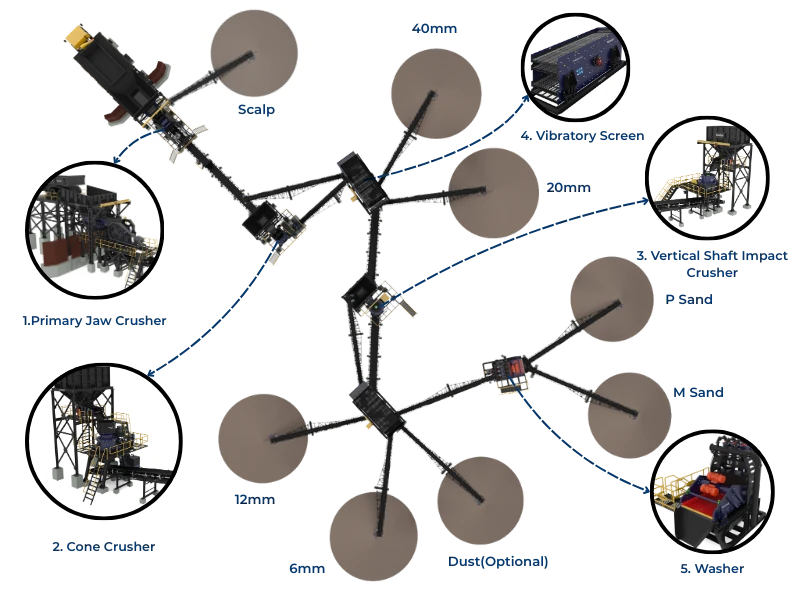
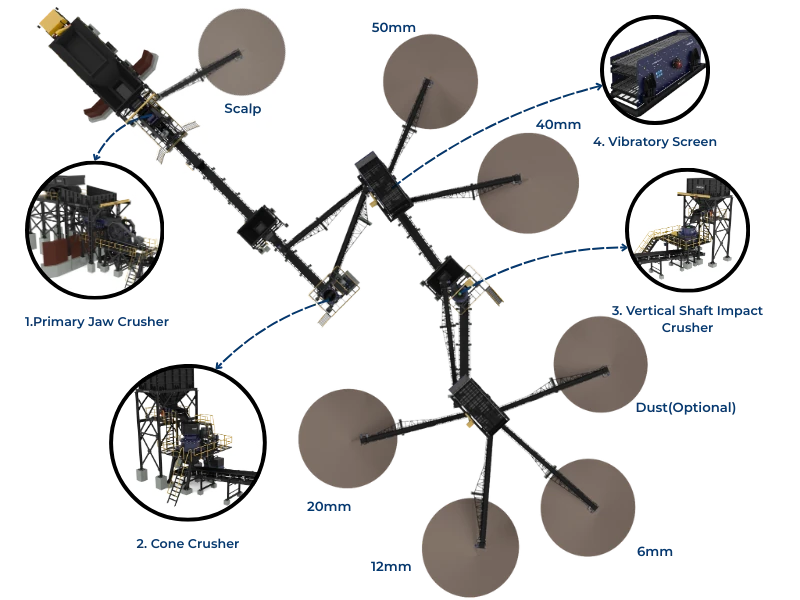
Typical 200 TPH Closed-Circuit Configuration:
- Primary jaw crusher (CSS 100-125mm) processes quarry run, same as open-circuit
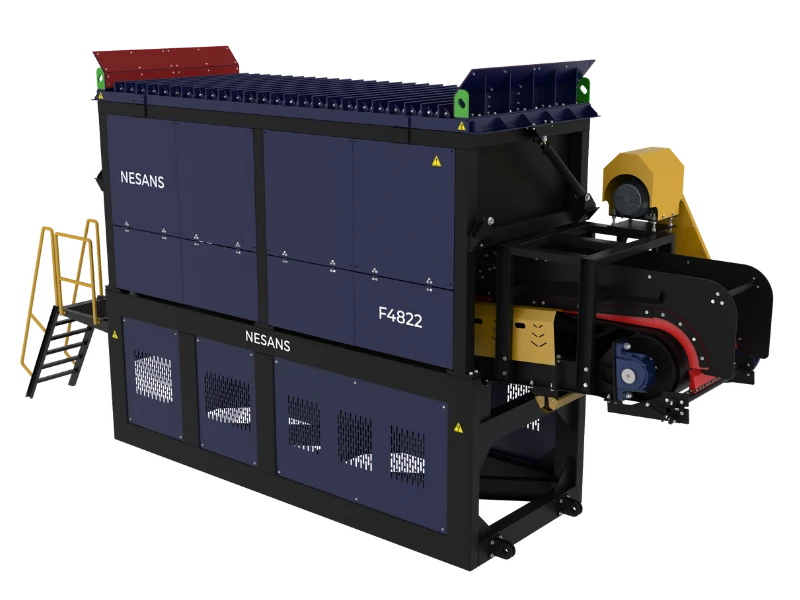
- Scalping screen (40-50mm openings) classifies jaw discharge:
- Undersize (correctly sized material) bypasses cone crusher to product screens
- Oversize feeds cone crusher for further reduction
- Secondary cone crusher (CSS 25-35mm) processes only scalping screen oversize
- Check screen (target CSS size openings) classifies cone discharge:
- Undersize (final product size) proceeds to product screening
- Oversize recirculates to cone crusher feed for re-crushing
- Product screens produce final size fractions (same as open-circuit)
Material Flow Characteristics:
- Recirculation load: Cone crusher handles 125-160% of jaw discharge (100% fresh feed plus 25-60% recirculated oversize)
- Controlled product size: Check screen ensures no material exceeds target size in final product (0-3% oversize vs. 15-25% in open-circuit)
- Narrow gradation: Removal of correctly sized material creates sharper product grading with less fines generation
- Improved particle shape: Multiple passes through cone improve cubicity to 35-45% (particles crushed 2-3 times achieve better shape)
Equipment Loading:
- Jaw crusher: Processes 100% of plant throughput (same as open-circuit)
- Cone crusher: Processes 125-160% of jaw discharge due to recirculation load
- Requires larger cone crusher (220-260 kW vs. 160-200 kW for open-circuit at same plant capacity)
- Cone operates at 70-85% of rated capacity (headroom for recirculation variation)
Equipment Sizing and Specifications
Open-Circuit Equipment Requirements
For 200 TPH Plant (Finished Product Basis):
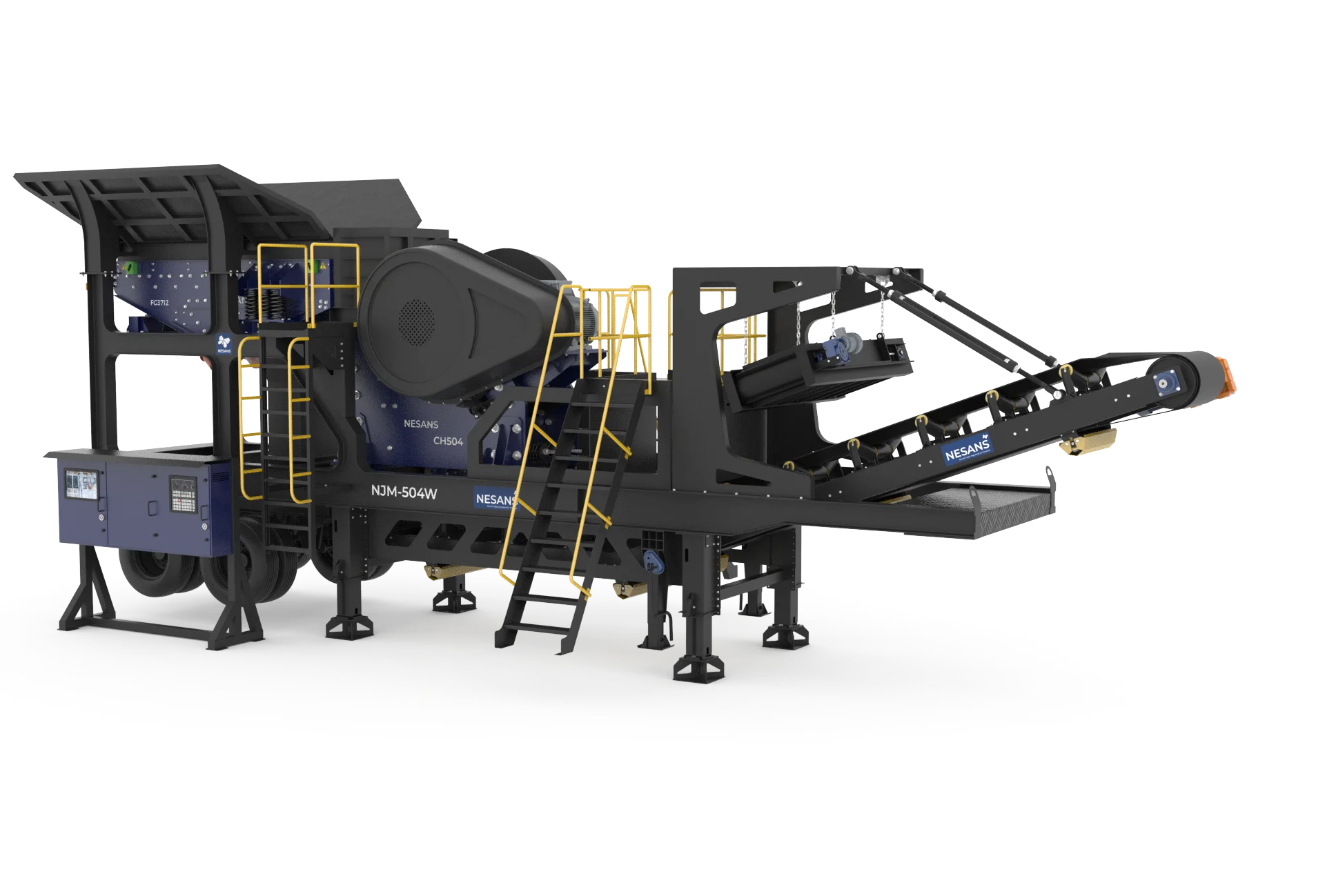
Primary Jaw Crusher:
- Size: 1000×750mm to 1050×750mm feed opening
- Motor: 110-132 kW
- CSS: 100-125mm (produces 0-125mm product, 80% passing 80-100mm)
- Throughput: 180-220 TPH depending on feed characteristics
- Specific energy: 0.55-0.75 kWh/ton
- Cost: ₹45-65 lakhs
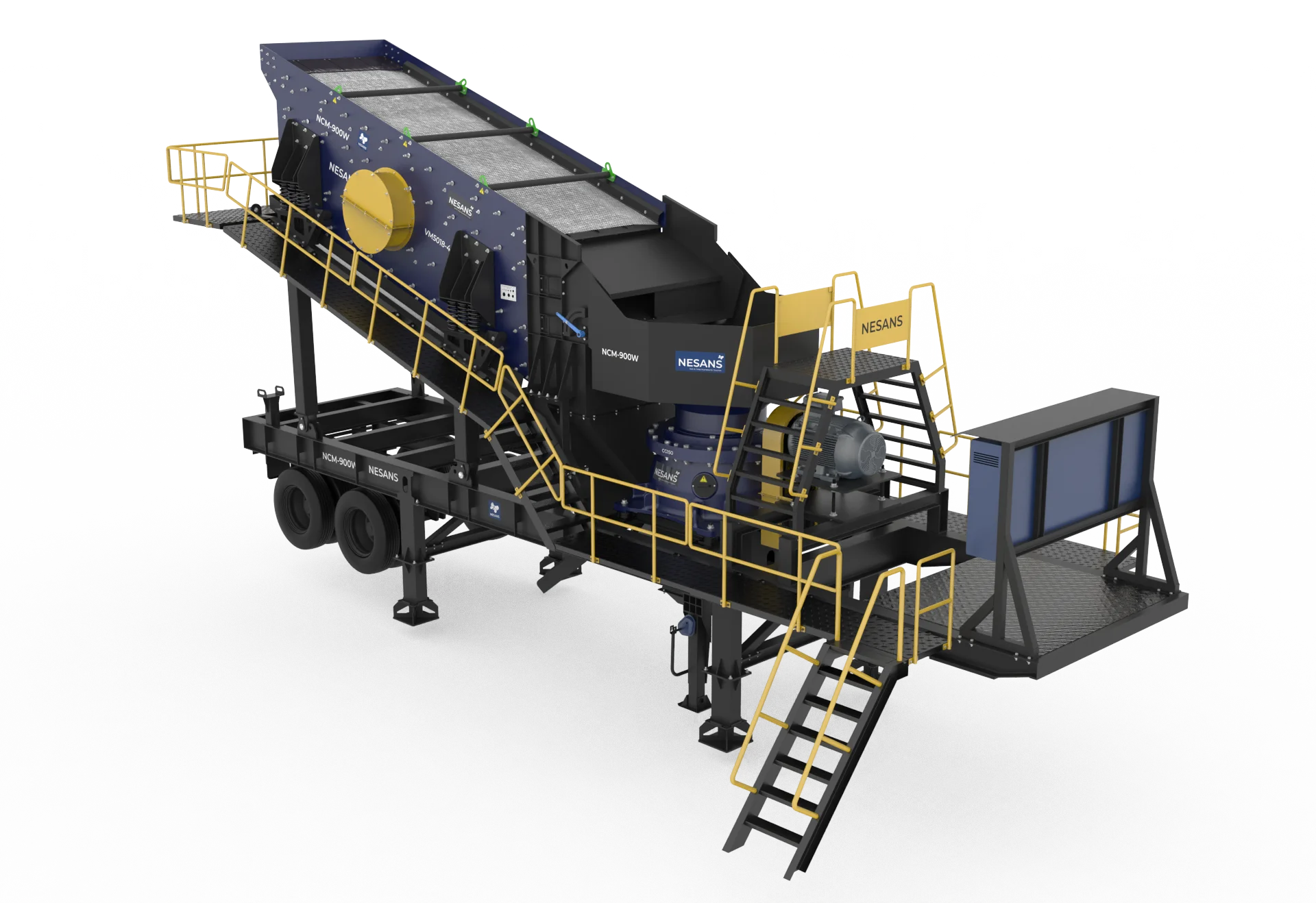
Secondary Cone Crusher:
- Type: Standard cone, 1300-1400mm diameter (Symons 4.25 ft equivalent)
- Motor: 160-200 kW
- CSS: 25-38mm depending on product requirements
- Throughput: 180-220 TPH (single-pass, no recirculation)
- Specific energy: 1.4-1.8 kWh/ton
- Cost: ₹75-110 lakhs
Conveyor System:
- Jaw to cone: 650-750mm belt, 25-40m length, 22-30 kW
- Cone to screens: 800-900mm belt, 30-50m length, 30-45 kW
- Product conveyors: 3-4 belts for sized products, 15-30 kW each
- Total conveyor power: 100-140 kW
- Cost: ₹18-28 lakhs total
Product Screens Only (No Circuit Screens):
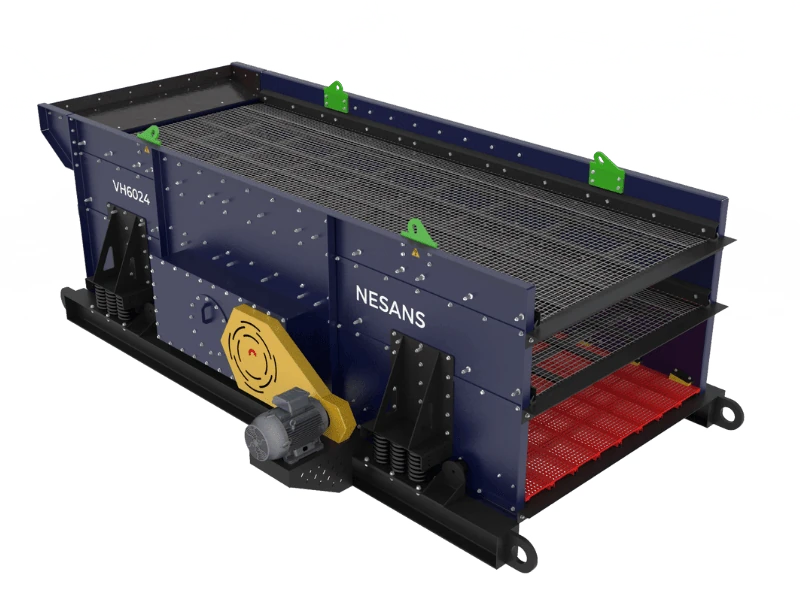
- 3-deck vibrating screen: 1.8×5.5m or 2.0×6.0m
- Motor: 2×15 kW (30 kW total)
- Decks: 20mm, 12mm, 6mm (typical aggregate sizing)
- Capacity: 200-250 TPH
- Cost: ₹22-32 lakhs
Total Equipment Cost (Open-Circuit): ₹1.60-2.35 crores
Closed-Circuit Equipment Requirements
For 200 TPH Plant (Same Finished Product Output):
Primary Jaw Crusher:
- Identical to open-circuit: 1000×750mm, 110-132 kW
- Cost: ₹45-65 lakhs (no difference)
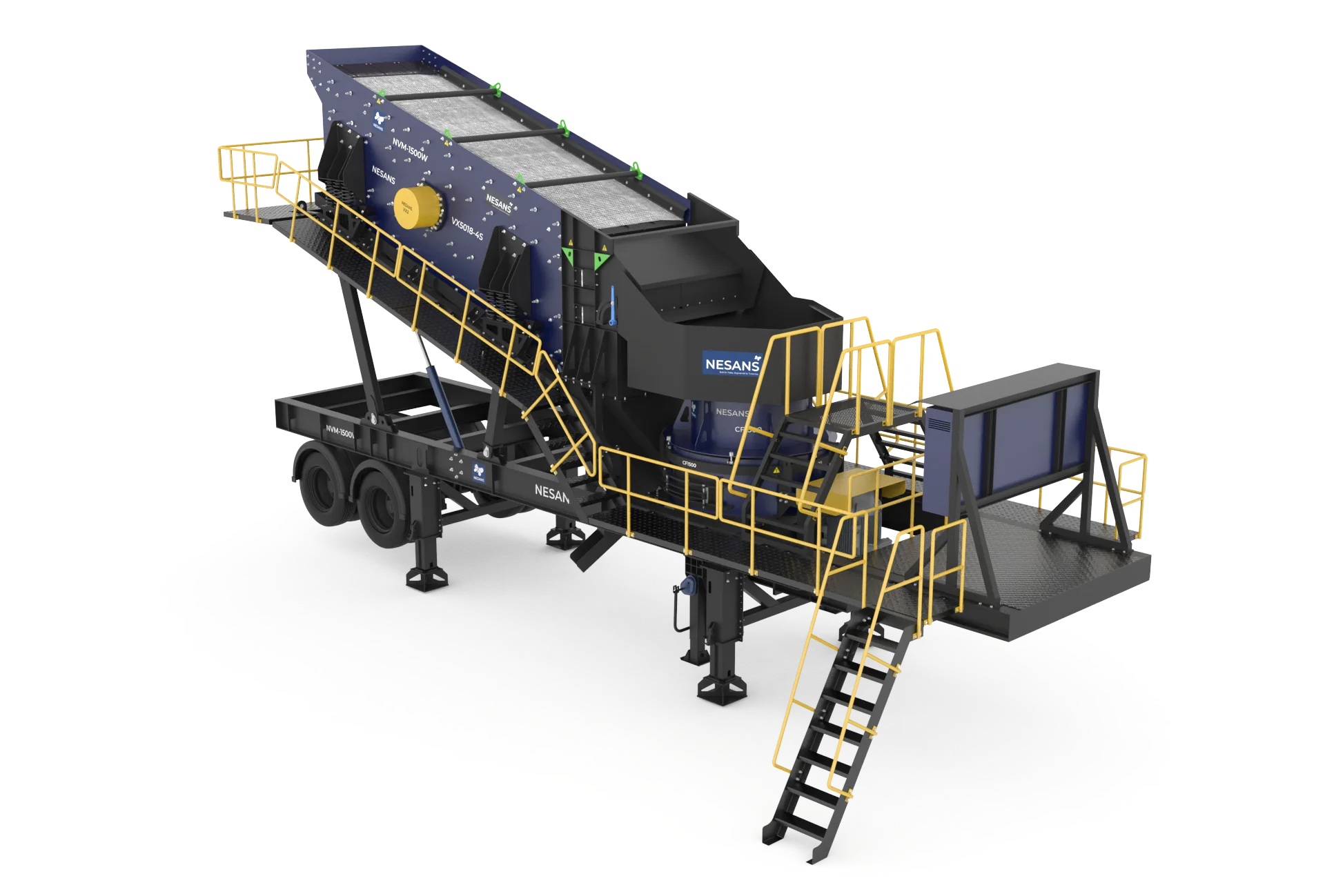
Scalping Screen (Pre-Cone):
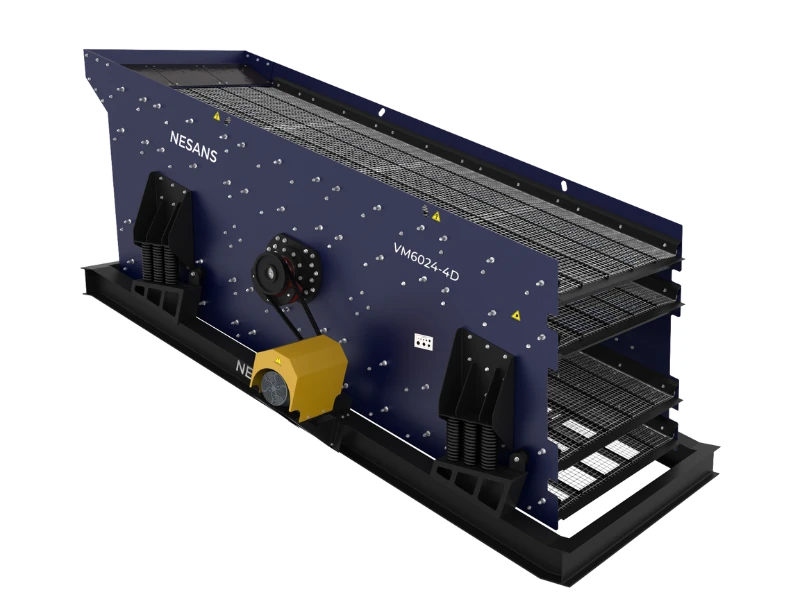
- Single or double-deck: 1.8×4.5m, 40-50mm openings
- Motor: 2×11 kW (22 kW total)
- Purpose: Remove correctly sized jaw discharge (typically 30-45% passes screen)
- Capacity: 200-280 TPH
- Cost: ₹16-24 lakhs
Secondary Cone Crusher (Larger for Recirculation):
- Type: Standard cone, 1400-1500mm diameter (Symons 5.5 ft equivalent)
- Motor: 220-260 kW (30-50% larger than open-circuit)
- CSS: 25-38mm (same product size target)
- Throughput: 280-350 TPH (handles fresh feed plus recirculation load)
- Specific energy: 1.2-1.5 kWh/ton (lower per ton due to better feed sizing)
- Cost: ₹95-145 lakhs (25-35% more expensive than open-circuit cone)
Check Screen (Post-Cone):
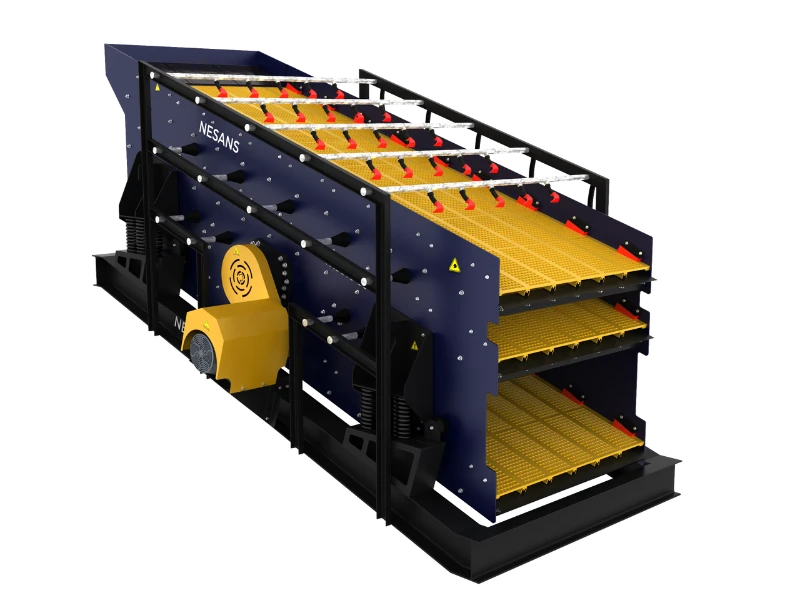
- Double-deck: 2.0×5.0m, 35-45mm top deck (scalp), 25-35mm bottom deck (product size)
- Motor: 2×15 kW (30 kW total)
- Purpose: Classify cone discharge, return oversize to cone feed
- Capacity: 280-350 TPH (handles cone throughput including recirculation)
- Cost: ₹24-36 lakhs
Recirculation Conveyor:
- Check screen oversize return to cone feed: 650mm belt, 15-25m, 18-22 kW
- Cost: ₹8-14 lakhs
Conveyor System (Main Process):
- Similar to open-circuit but with bypass routing from scalping screen
- Total power: 110-155 kW (slightly higher due to bypass and recirculation)
- Cost: ₹22-35 lakhs
Product Screens:
- Identical to open-circuit: 3-deck screen, 30 kW
- Cost: ₹22-32 lakhs
Total Equipment Cost (Closed-Circuit): ₹2.32-3.51 crores
Capital Cost Premium for Closed-Circuit: ₹72 lakhs - 1.16 crores (45-49% higher than open-circuit)
Energy Consumption Analysis
Open-Circuit Energy Profile
Power Consumption Breakdown (200 TPH Production):
- Jaw Crusher: 120 kW average × 1.0 load factor = 120 kW = 0.60 kWh/ton
- Cone Crusher: 180 kW average × 1.0 load factor = 180 kW = 0.90 kWh/ton
- Conveyors: 110 kW average = 0.55 kWh/ton
- Product Screens: 28 kW average = 0.14 kWh/ton
- Dust Suppression, Lighting, Auxiliaries: 25 kW = 0.13 kWh/ton
Total Specific Energy: 2.32 kWh/ton
Monthly Energy Cost:
- Production: 200 TPH × 10 hours/day × 26 days = 52,000 tons/month
- Energy consumption: 52,000 × 2.32 = 120,640 kWh/month
- Cost @ ₹6.50/kWh: ₹7.84 lakhs/month
Closed-Circuit Energy Profile
Power Consumption Breakdown (200 TPH Finished Product):
Note: Cone processes 280 TPH (200 TPH fresh feed plus 80 TPH recirculation at 40% return ratio)
- Jaw Crusher: 120 kW average = 0.60 kWh/ton finished product (same as open-circuit)
- Scalping Screen: 20 kW average = 0.10 kWh/ton
- Cone Crusher: 240 kW average × (280 TPH / 200 TPH) = 1.68 kWh/ton finished product
- Check Screen: 28 kW average × (280 TPH / 200 TPH) = 0.20 kWh/ton finished product
- Conveyors (including recirculation): 130 kW average = 0.65 kWh/ton
- Product Screens: 28 kW average = 0.14 kWh/ton
- Auxiliaries: 28 kW = 0.14 kWh/ton
Total Specific Energy: 3.51 kWh/ton finished product
Monthly Energy Cost:
- Production: 52,000 tons/month (same output as open-circuit)
- Energy consumption: 52,000 × 3.51 = 182,520 kWh/month
- Cost @ ₹6.50/kWh: ₹11.86 lakhs/month
Energy Cost Comparison:
- Closed-circuit: ₹11.86 lakhs/month
- Open-circuit: ₹7.84 lakhs/month
- Closed-circuit energy penalty: ₹4.02 lakhs/month (51% higher energy cost)
⚠️ Important Context: Higher energy consumption in closed-circuit is expected due to recirculation (material processed multiple times). However, this is offset by other operational benefits including superior product quality, extended liner life, and higher effective capacity—analyzed in subsequent sections. The net economic outcome depends on product value differential and total cost of ownership, not energy alone.
Product Quality Comparison
Particle Size Distribution Control
Open-Circuit Gradation Characteristics:
Cone crusher in open-circuit produces variable product size distribution:
- Target CSS: 32mm
- Actual Product Gradation:
- Passing 40mm: 98-100% (some oversize escapes, 0-2%)
- Passing 32mm (CSS): 82-88% (target specification, but significant variation)
- Passing 25mm: 70-78%
- Passing 20mm: 58-68% (wide range indicates inconsistent crushing)
- Passing 12mm: 38-48%
- Passing 6mm: 22-30% (significant fines generation)
- Oversize Material: 12-18% of product exceeds CSS (requires additional screening to remove or customer receives off-spec material)
Closed-Circuit Gradation Characteristics:
Check screen ensures all product meets size specification:
- Target CSS: 32mm (check screen set at 35mm to ensure no CSS oversize)
- Actual Product Gradation:
- Passing 35mm: 100% (check screen guarantee)
- Passing 32mm: 94-97% (tight control, minimal variation)
- Passing 25mm: 75-82%
- Passing 20mm: 62-70%
- Passing 12mm: 40-48%
- Passing 6mm: 18-24% (lower fines due to removal of correctly sized material)
- Oversize Material: 0-3% exceeds CSS (recirculated material, never reaches final product)
Quality Impact:
- Concrete producers require aggregate meeting IS 383 gradation zones (Zone I, II, III for coarse aggregate)
- Open-circuit: 12-18% oversize requires additional screening or results in customer rejection/price reduction
- Closed-circuit: Guaranteed compliance with specification, premium pricing possible (₹50-100/ton higher for certified grading)
Particle Shape and Cubicity
Multiple crushing passes in closed-circuit improve particle shape:
Open-Circuit Shape Characteristics:
- Cubicity index (particles with length/width ratio <1.5): 40-50%
- Flakiness index (IS 2386 Part I): 18-28%
- Elongation index: 22-32%
- Suitability: Acceptable for base course, general construction, but marginal for high-performance concrete
Closed-Circuit Shape Characteristics:
- Cubicity index: 55-68% (particles crushed 2-3 times achieve better shape)
- Flakiness index: 12-18% (30-40% improvement vs. open-circuit)
- Elongation index: 15-22%
- Suitability: Preferred for ready-mix concrete, asphalt, high-spec applications
Market Value Differential:
- Standard aggregate (open-circuit quality): ₹800-900/ton
- Premium aggregate (closed-circuit cubicity, controlled grading): ₹900-1,050/ton
- Price premium: ₹100-150/ton for superior quality
Fines Content and Gradation Control
Open-Circuit Fines Generation:
- All jaw discharge (including correctly sized material) passes through cone crusher
- Excess crushing generates 25-35% material <6mm (much becomes waste dust or low-value fines)
- Fines removal at product screen creates 50-65 TPH fines stream requiring processing (washing, M-Sand production)
Closed-Circuit Fines Optimization:
- Scalping screen removes correctly sized jaw discharge (bypasses cone, reduces unnecessary crushing)
- Fines generation: 18-25% material <6mm (30-40% reduction vs. open-circuit)
- Fines stream: 36-50 TPH (more manageable for M-Sand processing, less waste)
Wear and Maintenance Cost Analysis
Open-Circuit Crusher Wear
Jaw Crusher (Identical in Both Circuits):
- Liner life: 3,000-4,500 hours (depends on rock abrasiveness)
- Liner cost: ₹3.8-5.2 lakhs per set
- Specific wear cost: ₹5.50-7.50/ton
Cone Crusher (Open-Circuit, No Pre-Screening):
- Mantle and bowl liner life: 2,200-3,200 hours
- Liner cost: ₹6.5-9.0 lakhs per set (standard cone, 160-200 kW size)
- Tonnage per liner set: 440,000-640,000 tons
- Specific wear cost: ₹10.20-14.80/ton
- Wear pattern: Uneven due to variable feed size (fines accelerate wear, oversize creates impact damage)
Total Crushing Wear Cost (Open-Circuit): ₹15.70-22.30/ton
Closed-Circuit Crusher Wear
Jaw Crusher:
- Identical to open-circuit: ₹5.50-7.50/ton (no change)
Cone Crusher (Closed-Circuit with Pre-Screening):
- Mantle and bowl liner life: 3,400-4,800 hours (55-70% longer than open-circuit)
- Liner cost: ₹8.5-12.0 lakhs per set (larger cone for recirculation capacity)
- Tonnage per liner set: 680,000-960,000 tons (finished product basis)
- Specific wear cost: ₹8.85-12.50/ton (20-25% lower than open-circuit despite larger crusher)
- Wear pattern: Uniform due to controlled feed size (scalping removes fines and correctly sized material)
- Extended life factors:
- Pre-screening reduces abrasive fines content in cone feed by 40-55%
- Check screen recirculation ensures crusher always operates in optimal load zone
- Better feed distribution (no fines packing) improves crushing efficiency and reduces localized wear
Screen Wear (Additional in Closed-Circuit):
- Scalping screen media: ₹1.2-1.8 lakhs, replaced every 8,000-12,000 hours = ₹1.00-1.50/ton
- Check screen media: ₹1.5-2.2 lakhs, replaced every 6,000-9,000 hours = ₹1.20-1.80/ton
- Total screen wear: ₹2.20-3.30/ton (additional cost in closed-circuit)
Total Crushing Wear Cost (Closed-Circuit): ₹16.55-23.30/ton
Wear Cost Comparison:
- Open-circuit: ₹15.70-22.30/ton
- Closed-circuit: ₹16.55-23.30/ton
- Difference: ₹0.85-1.00/ton higher in closed-circuit (5-6% penalty)
Note: Despite longer cone liner life per hour in closed-circuit, total wear cost remains similar because: (1) larger cone requires more expensive liners, (2) recirculation increases total material processed through cone, and (3) additional screen wear costs offset cone wear savings. The primary benefit of closed-circuit is not wear cost reduction but rather product quality improvement and capacity optimization.
Production Capacity and Throughput
Effective Capacity Comparison
Open-Circuit Capacity Constraints:
Cone crusher in open-circuit must process entire jaw discharge including material already at correct size:
- Jaw discharge: 200 TPH total
- Material already <40mm (correct size for many products): 30-40% (60-80 TPH)
- Cone crushes all 200 TPH including the 60-80 TPH needing no further reduction
- Effective capacity utilization: 60-70% (crushing work on 120-140 TPH, wasting capacity on 60-80 TPH)
- Throughput limitation: Cone operates at 85-95% capacity continuously, no headroom for increased production
Closed-Circuit Capacity Optimization:
Scalping removes correctly sized material, allowing cone to focus on productive crushing:
- Jaw discharge: 200 TPH total
- Scalping screen removes: 70-90 TPH correctly sized (35-45% of jaw discharge)
- Cone processes: 110-130 TPH fresh feed plus 30-50 TPH recirculation = 140-180 TPH total
- Effective capacity utilization: 85-92% (all material requires reduction)
- Throughput expansion potential: Cone operates at 70-80% of rated capacity, allowing 15-25% production increase by raising jaw feed rate
Throughput Expansion Economics
Scenario: Increase Production from 200 TPH to 240 TPH
Open-Circuit Limitation:
- Cone already at 85-95% capacity processing 200 TPH
- Cannot increase throughput without replacing cone crusher with larger unit
- Cone replacement cost: ₹95-145 lakhs plus installation downtime
- Payback: 2-4 years depending on margin
Closed-Circuit Expansion:
- Increase jaw feed to 240 TPH (within jaw capacity of 220-260 TPH)
- Scalping removes 108 TPH (45%), cone processes 132 TPH fresh plus 40 TPH recirculation = 172 TPH total
- Cone operates at 75-85% capacity (within existing cone rating of 220-260 kW unit)
- Additional investment: None (uses existing capacity headroom)
- Incremental production: 40 TPH × 260 hours/month = 10,400 tons/month
- Incremental revenue: 10,400 × ₹950/ton = ₹98.8 lakhs/month
- Incremental cost: 10,400 × ₹220/ton (extraction, processing) = ₹22.9 lakhs/month
- Incremental margin: ₹75.9 lakhs/month
This expansion capability represents significant strategic value of closed-circuit design beyond direct operating cost comparison.
Total Cost of Ownership Analysis
10-Year TCO Comparison for 200 TPH Plant
Assumptions:
- Production: 200 TPH × 10 hours/day × 26 days/month × 12 months = 624,000 tons/year
- Operating period: 10 years
- Electricity cost: ₹6.50/kWh (escalating 4% annually)
- Product pricing: Open-circuit ₹850/ton, Closed-circuit ₹950/ton (quality premium)
- Discount rate: 12% for NPV calculation
Open-Circuit 10-Year TCO:
Capital Investment (Year 0):
- Equipment: ₹1.95 crores
- Installation, civil works: ₹45 lakhs
- Total CAPEX: ₹2.40 crores
Annual Operating Costs:
- Energy: ₹94.08 lakhs (Year 1, escalating 4% annually)
- Crusher wear: ₹118.80 lakhs (₹19/ton average)
- Maintenance labor: ₹18.70 lakhs (₹3/ton)
- Spare parts and consumables: ₹12.50 lakhs (₹2/ton)
- Total Year 1 OPEX: ₹244.08 lakhs, escalating to ₹332 lakhs Year 10
Revenue:
- Year 1: 624,000 tons × ₹850/ton = ₹530.4 crores
10-Year NPV @ 12%:
- CAPEX: -₹2.40 crores
- Operating margin (revenue minus OPEX): ₹286.3 crores NPV over 10 years
- Net 10-Year NPV: ₹283.9 crores
Closed-Circuit 10-Year TCO:
Capital Investment (Year 0):
- Equipment: ₹2.90 crores
- Installation, civil works: ₹65 lakhs
- Total CAPEX: ₹3.55 crores (₹1.15 crores premium vs. open-circuit)
Annual Operating Costs:
- Energy: ₹142.12 lakhs (Year 1, 51% higher than open-circuit)
- Crusher wear: ₹124.80 lakhs (₹20/ton average, similar to open-circuit)
- Maintenance labor: ₹21.80 lakhs (₹3.50/ton, higher due to more equipment)
- Spare parts and consumables: ₹15.60 lakhs (₹2.50/ton)
- Total Year 1 OPEX: ₹304.32 lakhs, escalating to ₹405 lakhs Year 10
Revenue:
- Year 1: 624,000 tons × ₹950/ton = ₹592.8 crores (₹100/ton premium for quality)
10-Year NPV @ 12%:
- CAPEX: -₹3.55 crores
- Operating margin: ₹288.5 crores NPV
- Net 10-Year NPV: ₹284.95 crores
TCO Comparison Result:
- Closed-circuit NPV: ₹284.95 crores
- Open-circuit NPV: ₹283.90 crores
- Closed-circuit advantage: ₹1.05 crores over 10 years (0.4% better)
⚠️ Critical Insight: Under base case assumptions (₹100/ton quality premium for closed-circuit product), the two configurations deliver nearly identical economic returns over 10 years. The closed-circuit capital premium (₹1.15 crores) is almost exactly offset by quality premium revenue, with slightly higher operating costs balanced by product value. This means the decision depends heavily on: (1) Whether quality premium is achievable in local market, (2) Whether throughput expansion is anticipated (closed-circuit provides headroom, open-circuit does not), and (3) Customer requirements (some specify closed-circuit product for high-performance applications).
Decision Framework and Selection Criteria
Choose Open-Circuit When:
- Market doesn't pay quality premium: Customers accept standard aggregate grading, particle shape not critical (base course, fill, general construction)
- Capital budget constrained: ₹1-1.2 crore savings on equipment significant for project financing
- Energy cost low: Subsidized power or captive generation reduces advantage of closed-circuit efficiency optimization
- Throughput stable: No expansion anticipated, plant sized for long-term steady production
- Simple operation preferred: Limited skilled labor, prefer minimal equipment and control complexity
- Feed material favorable: Well-blasted rock with minimal fines, reducing need for pre-screening
Choose Closed-Circuit When:
- Quality specifications strict: Customers require controlled gradation, low flakiness for concrete or asphalt (RMC plants, highway projects)
- Quality premium available: Market pays ₹80-150/ton more for certified aggregate with controlled size and shape
- Throughput expansion likely: Anticipate 15-30% production increase within 5 years, closed-circuit provides headroom without equipment replacement
- Feed highly variable: Inconsistent blast fragmentation requires circuit to compensate and deliver consistent product
- Energy efficiency valued: Despite higher total energy, ability to optimize cone operation and reduce unnecessary crushing important for sustainability goals
- Long-term investment: 10+ year operation horizon allows capital premium amortization through quality and efficiency benefits
Hybrid Approaches
Partial Closed-Circuit (Scalping Only, No Check Screen):
- Install scalping screen before cone to remove correctly sized jaw discharge
- Omit check screen and recirculation (operate cone in open-circuit)
- Achieves 60-70% of closed-circuit benefits (reduced cone load, better efficiency) at 30-40% of capital premium
- Good compromise for budget-constrained projects where some quality improvement desired
- Capital cost: ₹16-24 lakhs for scalping screen only
Convertible Design:
- Install plant with open-circuit configuration initially
- Design foundations and layout to accommodate future closed-circuit conversion
- Add scalping screen, check screen, recirculation conveyor, and upgrade cone crusher when market conditions justify investment
- Spreads capital investment over time, reduces initial project cost
Implementation Considerations
Retrofit from Open to Closed-Circuit
Many plants initially built as open-circuit later convert to closed-circuit for quality improvement:
Retrofit Requirements:
- Space for scalping screen (typically 6m × 8m footprint)
- Space for check screen (6m × 10m footprint including recirculation conveyor)
- Structural modifications for bypass and recirculation conveyors
- Electrical capacity for additional 50-80 kW screen and conveyor load
- Possible cone crusher upgrade if existing unit undersized for recirculation load
Retrofit Cost:
- Screens and conveyors: ₹48-74 lakhs (if cone adequate)
- Cone replacement (if required): ₹95-145 lakhs additional
- Civil and structural work: ₹12-22 lakhs
- Electrical upgrades: ₹6-10 lakhs
- Total retrofit: ₹66-106 lakhs without cone upgrade, ₹1.61-2.51 crores with new cone
Downtime for Retrofit:
- If cone adequate: 3-4 weeks (civil work, screen installation, commissioning)
- If cone replacement: 6-8 weeks (requires crusher foundation work and extended installation)
- Production loss: 15,000-25,000 tons during shutdown (₹1.3-2.1 crores opportunity cost)
Automation and Process Control
Closed-circuit systems benefit significantly from automation due to recirculation load variability:
Manual Control (Basic Approach):
- Operator adjusts cone CSS based on periodic product sampling (daily or per shift)
- Challenge: Recirculation load varies 25-60% depending on feed hardness and jaw discharge gradation
- Risk: Cone overload or underutilization without real-time adjustment
Automated Control (Recommended for Closed-Circuit):
- Cone crusher power monitoring (kW meter on motor)
- Automatic CSS adjustment to maintain 85-92% of rated power (optimal loading)
- Belt scale on recirculation conveyor to monitor load ratio
- Screen efficiency monitoring (compare feed tonnage to product tonnage)
- PLC-based control system: ₹4.5-8.5 lakhs investment
- Benefit: 5-10% throughput increase, 8-12% energy reduction from optimal loading
- Payback: 8-14 months from efficiency improvement
Case Study: Circuit Comparison in Limestone Crushing
Project Background
Application: 220 TPH limestone aggregate for ready-mix concrete supply
Location: Karnataka (competitive RMC market requiring quality aggregate)
Material: Medium-hard limestone, Ai 0.28, good crushability
Open-Circuit Configuration (Existing Plant)
Equipment:
- Jaw: 1050×750mm, 132 kW
- Cone: Symons 4.25 ft (1300mm), 200 kW
- Product screens: 3-deck, 2.0×6.0m
- Capital cost (original installation): ₹2.1 crores
Performance (2-Year Average):
- Throughput: 185-205 TPH (variable, target 220 TPH not achieved)
- Energy: 2.4 kWh/ton
- Product quality: 15-20% oversize returned by RMC customers, flakiness index 22-28%
- Cone liner life: 2,600 hours average
- Product pricing: ₹820-850/ton (rejected loads at ₹750/ton penalty)
Closed-Circuit Conversion (Retrofit Project)
Modifications:
- Added scalping screen: 1.8×5.0m, 45mm opening, ₹20 lakhs
- Added check screen: 2.0×5.5m double-deck, 40mm/30mm, ₹28 lakhs
- Replaced cone with larger unit: Symons 5.5 ft (1500mm), 250 kW, ₹1.25 crores
- Recirculation conveyor: 650mm × 18m, ₹10 lakhs
- Bypass conveyor and chutes: ₹14 lakhs
- Electrical and automation (PLC control, belt scales): ₹7 lakhs
- Total retrofit cost: ₹2.04 crores
- Downtime: 7 weeks (production loss ₹1.9 crores revenue, ₹65 lakhs margin)
Post-Conversion Performance (First Year)
Operational Results:
- Throughput: 220-235 TPH consistently (achieved target plus 10% headroom)
- Energy: 3.2 kWh/ton (33% higher than open-circuit)
- Product quality: Zero customer rejections, flakiness 14-18%, controlled gradation Zone II compliance
- Cone liner life: 4,100 hours (58% improvement)
- Product pricing: ₹960/ton consistent (₹110-140/ton premium vs. previous pricing)
Economic Outcome:
Annual Production Increase:
- Previous: 195 TPH average × 2,600 hours/year = 507,000 tons
- Post-conversion: 228 TPH × 2,600 hours = 592,800 tons
- Incremental volume: 85,800 tons (+16.9%)
Revenue Impact:
- Previous: 507,000 × ₹835/ton average = ₹42.3 crores
- Post-conversion: 592,800 × ₹960/ton = ₹56.9 crores
- Revenue increase: ₹14.6 crores annually (+34.5%)
Cost Impact:
- Energy increase: (3.2-2.4) kWh/ton × 592,800 tons × ₹6.50/kWh = ₹30.8 lakhs additional
- Incremental extraction and processing: 85,800 tons × ₹240/ton = ₹206 lakhs
- Screen maintenance: ₹8 lakhs annually
- Total incremental cost: ₹245 lakhs annually
Net Annual Benefit: ₹14.6 crores - ₹2.45 crores = ₹12.15 crores
Payback Calculation:
- Investment: ₹2.04 crores retrofit plus ₹0.65 crores downtime margin loss = ₹2.69 crores
- Annual benefit: ₹12.15 crores
- Payback period: 2.7 months
Key Success Factors:
- RMC market valued quality premium (₹110-140/ton) making closed-circuit economically superior
- Throughput expansion (16.9%) from closed-circuit optimization added significant revenue
- Customer specification compliance eliminated rejection penalties (previously 8-12% of loads)
- Automation system optimized cone loading, achieving 95%+ utilization vs. 75-80% in manual operation
Conclusion and Recommendations
Economic Equivalence Under Base Assumptions: For standard aggregate markets where product quality premium is marginal (₹50-80/ton) and throughput expansion not anticipated, open-circuit and closed-circuit configurations deliver similar 10-year economic returns. Closed-circuit's ₹1-1.2 crore capital premium is offset by modest quality revenue advantages, with operating costs nearly equivalent.
Closed-Circuit Strong Advantage When:
- Quality premium exceeds ₹100/ton (RMC supply, highway specifications, high-performance concrete)
- Throughput expansion likely within 5 years (closed-circuit provides 15-30% headroom without new crusher)
- Customer specifications mandate controlled gradation or shape (eliminates open-circuit rejection risk)
- Feed variability high (circuit compensates for inconsistent blasting)
Open-Circuit Acceptable When:
- Commodity aggregate market with minimal quality differentiation
- Capital severely constrained (₹1+ crore savings significant for project viability)
- Stable long-term production (no expansion anticipated)
- Feed quality excellent (well-controlled blasting, minimal fines or oversize)
Recommended Decision Process:
- Survey customer base to determine if ₹100+ per ton quality premium achievable for controlled gradation and cubicity
- Assess 5-year production forecast—is 15-25% expansion likely as market develops?
- Analyze feed material characteristics—does blast fragmentation require circuit compensation?
- If answers favor quality premium, expansion, or variable feed: Choose closed-circuit (payback typically 18-36 months)
- If commodity market, stable production, good feed: Choose open-circuit (₹1+ crore capital savings funds other plant improvements)
- Consider hybrid (scalping only) as budget-friendly compromise achieving 60-70% of closed-circuit benefits at 30-40% of capital premium
✓ Success Metrics: Well-designed closed-circuit systems achieve: (1) 100% product gradation compliance (zero oversize), (2) 35-55% improvement in cubicity index vs. open-circuit, (3) 15-30% throughput expansion capability within existing cone crusher capacity, (4) 40-60% cone liner life extension through optimized feed sizing, (5) ₹100-150/ton quality premium in RMC and highway markets, and (6) 18-36 month payback on capital premium when quality and expansion benefits realized.
