








Dust control is a critical compliance and operational requirement for aggregate plants in Tamil Nadu. TNPCB (Tamil Nadu Pollution Control Board) regulations mandate specific particulate matter limits, and failure to comply results in show-cause notices, penalties, and potential plant closure. Understanding effective dust suppression methods enables plant operators to maintain compliance while protecting equipment and worker health.
TNPCB Regulatory Requirements
Emission Standards for Stone Crushers
TNPCB specifies particulate matter limits under various categories:
| Source | Limit (mg/Nm³) | Notes |
|---|---|---|
| Stack emissions (process) | 100 | At any crusher or screening point |
| Fugitive emissions | Limited visible dust | No dust crossing property boundary |
| Ambient air quality (PM10) | 100 μg/m³ | Annual average |
| Ambient air quality (PM2.5) | 60 μg/m³ | Annual average |
Compliance Documentation Requirements
TNPCB requires the following for operating consent:
- Dust suppression system details: Design, capacity, coverage
- Water supply certification: Source and adequacy
- Stack monitoring reports: Quarterly third-party testing
- Ambient monitoring: Regular monitoring at boundary
- Green belt development: Plantation around boundary
- Maintenance records: Log of dust control system upkeep
Dust Generation Sources in Aggregate Plants
Primary Dust Sources
| Source | Dust Intensity | Primary Control Method |
|---|---|---|
| Crusher feed point | High | Enclosure + water spray |
| Crusher discharge | Very high | Enclosure + wet suppression |
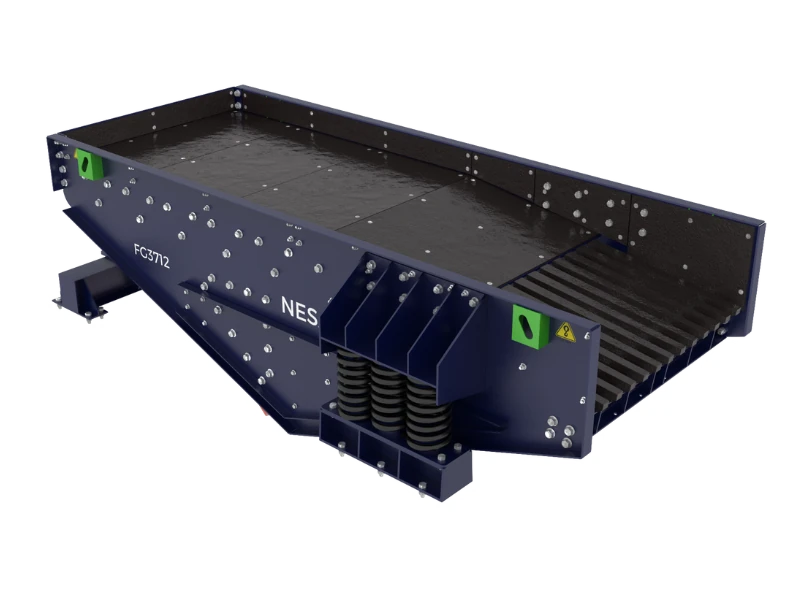
| Screen decks | High | Enclosure + spray system |
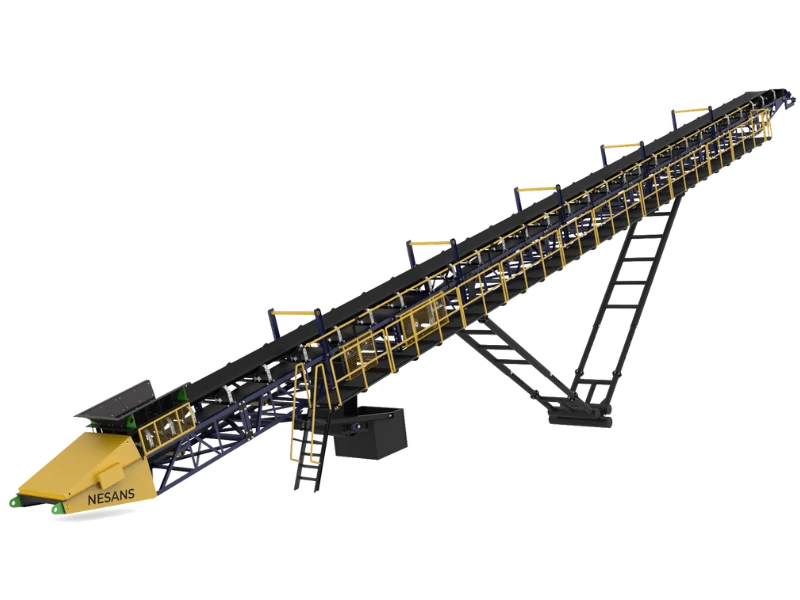
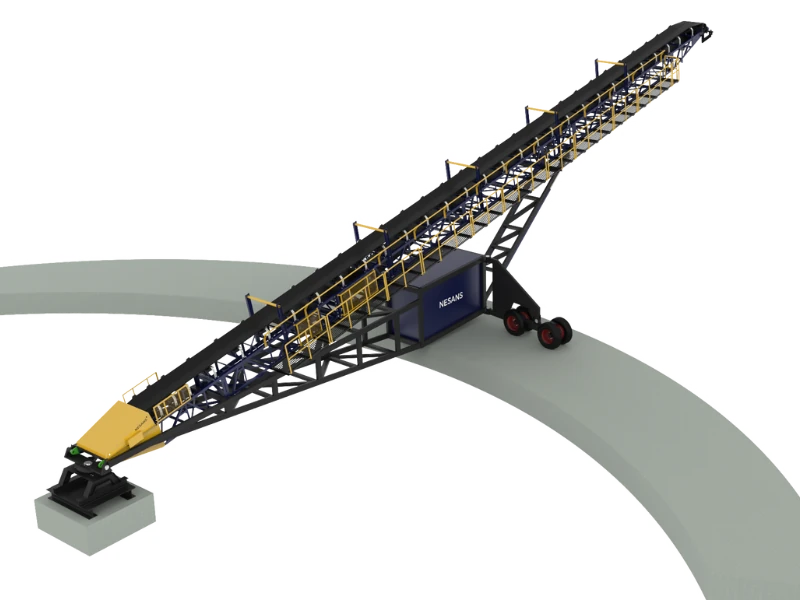
| Conveyor transfer points | Medium-high | Enclosure + spray |
| Stockpile loading | Medium | Water spray, low drop |
| Truck loading | Medium | Water spray, enclosure |
| Haul roads | High | Water tanker, surfacing |
Factors Affecting Dust Generation
| Factor | Effect | Control Strategy |
|---|---|---|
| Material moisture | Dry material = more dust | Maintain >3% moisture |
| Fines content | More fines = more dust | Remove fines early |
| Wind speed | Higher wind = more dispersion | Windbreaks, enclosures |
| Drop height | Greater drop = more dust | Minimize free fall |
| Processing rate | Higher rate = more dust | Scale suppression accordingly |
| Rock type | Sofite rocks = more dust | Adjust suppression |
Wet Dust Suppression Systems
Water Spray System Design
Wet suppression is the primary dust control method for crushers and screens:
System components:
- Water supply: Adequate quantity and pressure
- Pump station: Dedicated high-pressure pump
- Distribution piping: Corrosion-resistant materials
- Spray nozzles: Selected for coverage and droplet size
- Control system: Interlocked with equipment operation
Water consumption guidelines:
| Application Point | Water Rate | Pressure |
|---|---|---|
| Crusher feed | 1-2 L/tonne | 3-5 bar |
| Crusher discharge | 2-4 L/tonne | 4-6 bar |
| Screen deck (each) | 1-2 L/tonne | 3-5 bar |
| Transfer points | 0.5-1 L/tonne | 3-5 bar |
| Stockpile spray | Variable | 4-6 bar |
Nozzle Selection and Placement
| Nozzle Type | Spray Pattern | Droplet Size | Application |
|---|---|---|---|
| Full cone | Circular coverage | 200-400 μm | General suppression |
| Hollow cone | Ring pattern | 100-300 μm | Fine mist, fogging |
| Flat fan | Line coverage | 200-500 μm | Conveyor, linear sources |
| Air atomizing | Very fine mist | 50-150 μm | Airborne dust capture |
Placement principles:
- Position nozzles upstream of dust generation point
- Ensure complete coverage without gaps
- Avoid overspray that creates puddles or runoff
- Protect nozzles from impact damage
- Provide access for cleaning and maintenance
Fog/Mist Suppression Systems
High-pressure fog systems for airborne dust capture:
System characteristics:
| Parameter | Conventional Spray | High-Pressure Fog |
|---|---|---|
| Pressure | 3-6 bar | 50-150 bar |
| Droplet size | 200-500 μm | 10-50 μm |
| Water consumption | Higher | 50-80% less |
| Dust capture efficiency | Good for settling | Better for airborne |
| Capital cost | Lower | Higher |
| Operating cost | Higher water | Higher power |
Dry Dust Collection Systems
Baghouse Collectors
For applications where wet suppression is not suitable:
System components:
- Capture hoods: Enclose dust source with suction
- Ductwork: Transport dust-laden air
- Collector unit: Filter bags capture particles
- Discharge system: Rotary valve or screw
- Fan: Creates suction for system
Design parameters:
| Parameter | Typical Value | Notes |
|---|---|---|
| Air-to-cloth ratio | 2-4 m/min | Lower for fine dust |
| Capture velocity | 1.0-1.5 m/s at hood | Higher for heavy particles |
| Duct velocity | 18-22 m/s | Maintain particle transport |
| Outlet emission | <50 mg/Nm³ | Better than spray alone |
Cyclone Collectors
Pre-collection for large particles before baghouse:
- Removes particles >10-20 μm efficiently
- Reduces load on baghouse filters
- Lower pressure drop than baghouse alone
- Returns collected material to process
Enclosures and Containment
Crusher and Screen Enclosures
Effective enclosure design minimizes dust escape:
Design principles:
- Enclose dust source as completely as possible
- Provide access doors for maintenance
- Include negative pressure ventilation
- Install rubber curtains at material entry/exit
- Seal gaps and openings
Enclosure materials:
| Material | Application | Advantages |
|---|---|---|
| Steel sheet | Permanent enclosure | Durable, rigid |
| Rubber curtains | Access points, conveyors | Flexible, replaceable |
| Polycarbonate | Inspection windows | Visibility, impact resistant |
| Fabric screens | Large openings | Low cost, replaceable |
Transfer Point Design
Proper transfer design reduces dust at source:
- Reduce drop height: Use rock ladders or cascade chutes
- Center loading: Material impacts material, not belt/chute
- Controlled trajectory: Hood design captures dust plume
- Settling zone: Allow dust to settle before exit
- Skirt sealing: Extend skirting to contain dust
Haul Road Dust Control
Water Truck Application
Most common method for unpaved road dust control:
Application guidelines:
| Condition | Application Rate | Frequency |
|---|---|---|
| Dry season, heavy traffic | 2-3 L/m² | Every 2-3 hours |
| Moderate conditions | 1.5-2 L/m² | Every 4-6 hours |
| Low traffic | 1-1.5 L/m² | 2-3 times daily |
Chemical Suppressants
For extended dust control with less water:
| Type | Mechanism | Duration | Application |
|---|---|---|---|
| Calcium chloride | Hygroscopic (absorbs moisture) | 2-4 weeks | Spray or dry spread |
| Magnesium chloride | Hygroscopic | 2-4 weeks | Spray application |
| Lignosulfonate | Binding agent | 2-6 weeks | Spray application |
| Polymer emulsion | Surface binding | 4-12 weeks | Spray with sealing |
Road Surface Treatment
Permanent solutions for high-traffic areas:
- Paving: Concrete or asphalt (most effective)
- Surface sealing: Bitumen emulsion treatment
- Crushed aggregate: Coarse stone reduces dust
- Regular grading: Maintain smooth surface
Green Belt and Natural Barriers
Vegetation Requirements
TNPCB mandates green belt development:
- Width: Minimum 10m around plant boundary
- Species: Dense foliage trees and shrubs
- Density: 2000+ trees per hectare
- Maintenance: Regular watering and care
Effective species for Tamil Nadu:
| Tree Type | Growth Rate | Dust Capture |
|---|---|---|
| Neem (Azadirachta indica) | Fast | Excellent |
| Pongamia (Pongamia pinnata) | Moderate | Good |
| Cassia (Cassia siamea) | Fast | Good |
| Casuarina (Casuarina equisetifolia) | Fast | Moderate |
Windbreaks
Physical barriers to reduce wind-blown dust:
- Natural vegetation barriers (trees)
- Artificial windbreak fabric
- Permanent walls at critical locations
- Stockpile orientation to reduce wind exposure
System Maintenance and Monitoring
Daily Maintenance Checklist
- □ Check all spray nozzles for blockage
- □ Verify water supply pressure
- □ Inspect enclosures for damage or gaps
- □ Confirm dust collection system operation
- □ Check road conditions and schedule watering
- □ Document any visible dust issues
Weekly Maintenance
- Clean or replace clogged nozzles
- Inspect and repair enclosure damage
- Check baghouse differential pressure
- Service water pumps
- Review dust monitoring data
Monitoring Requirements
| Parameter | Method | Frequency |
|---|---|---|
| Stack emissions | Third-party testing | Quarterly |
| Ambient PM10 | High-volume sampler | Monthly or continuous |
| Ambient PM2.5 | Gravimetric sampler | Monthly or continuous |
| Visual assessment | Observation log | Daily |
Cost-Benefit Analysis
System Cost Estimates
| System Component | Capital Cost (Rs) | Annual Operating |
|---|---|---|
| Wet suppression system | 10-25 lakhs | 3-5 lakhs |
| Enclosures (basic) | 5-15 lakhs | 1-2 lakhs |
| Baghouse collector | 25-50 lakhs | 5-10 lakhs |
| Haul road maintenance | 5-10 lakhs | 8-15 lakhs |
| Green belt development | 3-8 lakhs | 1-2 lakhs |
Cost of Non-Compliance
TNPCB penalties and consequences:
- Show-cause notice: Administrative time and cost
- Bank guarantee forfeiture: Rs 25 lakhs or more
- Closure order: Complete loss of production
- Legal costs: Appeals and litigation
- Community relations: Long-term reputation impact
Effective dust control requires a comprehensive approach combining wet suppression, enclosures, collection systems, and operational practices. Investment in proper dust control systems ensures TNPCB compliance while protecting worker health and maintaining good community relations.
